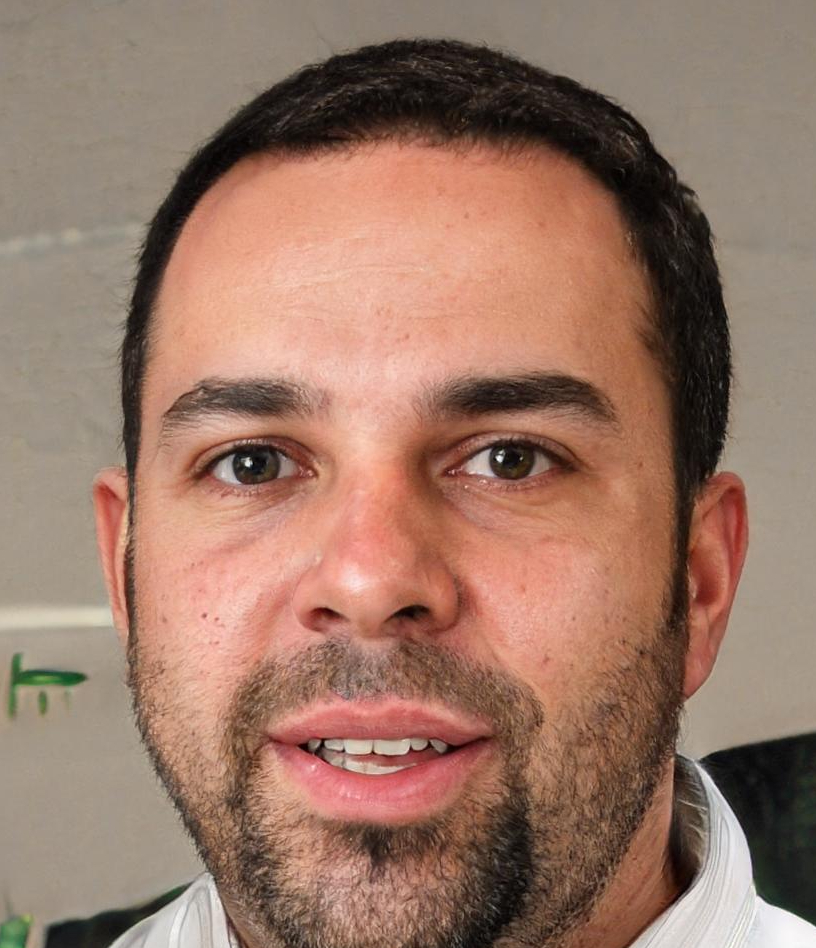
Shaun Deeb Chases History at WSOPE Colossus Final Table
Shaun Deeb sits one final table away from poker immortality. The American pro enters Saturday’s WSOPE Colossus finale with the second-largest stack among six players, positioned to claim his ninth bracelet faster than any player in history—including Phil Ivey.
What Happened
The 2,662-player €565 Colossus at the 2026 World Series of Poker Europe has reached its climactic conclusion, and Shaun Deeb has navigated his way to the final six. He brings 29.5 million chips (49 big blinds) to Saturday’s finale, trailing only France’s Gilles Silbernagel.
This deep run comes immediately after Deeb’s runner-up finish in Event #2, establishing him as the dominant force through the opening days of WSOPE in Prague. The timing couldn’t be more significant—Deeb is pursuing consecutive WSOP Player of the Year titles, something never accomplished in the award’s history.
If Deeb captures the Colossus title, he’ll secure his ninth career bracelet in just 11 years since his first. That would shatter the record currently held by Phil Ivey, who needed 13 years to reach the same milestone. The achievement would cement Deeb’s status among poker’s elite and add substantial ammunition to his POY defense.
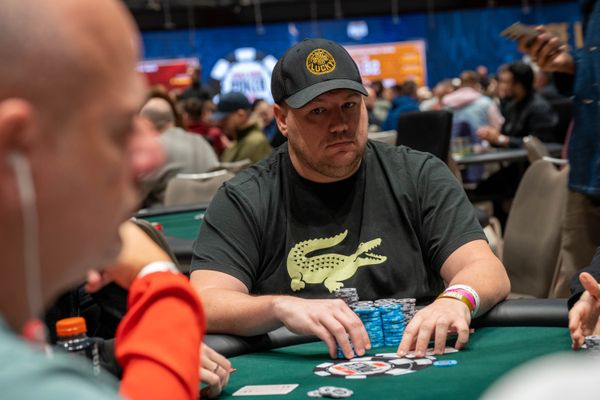
The chip counts heading into Saturday’s 12pm local time restart show a relatively balanced final table. Silbernagel holds 36.6 million (61bb), while Poland’s Przemyslaw Cebrat sits third with 26.8 million (44bb). The shortest stack belongs to Latvia’s Davis Mihelsons with 9.3 million (15bb), creating a dynamic where multiple players can realistically capture the title.
Meanwhile, Benny Glaser—Deeb’s most credible POY challenger in Prague—fell just short in Event #1’s Mystery Bounty, finishing fifth after holding the chip lead deep in the tournament. Glaser also notched a 21st-place finish in the €3,300 Mixed event, demonstrating he’s mounting a serious POY challenge despite the absence of Phil Hellmuth and Daniel Negreanu.
The Poker Strategy Breakdown
Deeb’s approach to this Colossus exemplifies tournament poker mastery at its finest. With 49 big blinds and five opponents remaining, he occupies the ideal middle position in the chip distribution—enough ammunition to apply pressure without becoming a primary target.
The stack dynamics create fascinating strategic considerations. Silbernagel’s chip lead isn’t overwhelming at just 25% more than Deeb’s stack. This proximity means Deeb can contest pots aggressively without risking tournament life, while the shorter stacks face elimination pressure that constrains their ranges.
Six-handed play demands adjustments that many players overlook. Hand values shift dramatically—pocket pairs gain value as stealing opportunities increase, while speculative hands that play well multiway lose appeal. Deeb’s proven ability to adjust his ranges based on table size gives him a substantial edge over less experienced opponents.
Position becomes even more critical with six players. The button and cutoff seats offer tremendous stealing opportunities against players protecting their stacks for ladder jumps. Deeb understands that accumulation at this stage often matters more than preservation—building chips now creates the stack needed to dominate three- and four-handed play.
His aggressive approach throughout the tournament reflects modern tournament theory. Rather than waiting for premium hands, elite players like Deeb identify spots where fold equity combines with playable holdings to generate profitable situations. This relentless pressure forces opponents into difficult decisions for their tournament lives.
Reading The Field & Table Dynamics
The international composition of this final table presents unique challenges. With players from France, Poland, Croatia, and Latvia joining Deeb, varying playing styles and tournament experience levels create exploitable patterns for observant players.
ICM considerations dominate every decision at this stage. The pay jumps between sixth place and first are substantial, creating natural tension between chip accumulation and survival. Shorter stacks like Mihelsons (15bb) and Hrvoje Mitrovic (21bb) face critical pressure—they need to find spots to double up before blinds consume their stacks, but any confrontation risks elimination.
Deeb’s experience navigating these dynamics separates him from the field. He’s played hundreds of final tables and understands when opponents are likely to tighten up versus when they’ll make desperate moves. This pattern recognition allows him to exploit both extremes—stealing from scared money and trapping overly aggressive short stacks.
The middle stacks—Cebrat and Jakub Michalak—present the most complex strategic puzzle. They’re deep enough to survive several orbits but shallow enough that one major pot could cripple them. These players often play too cautiously, creating opportunities for bigger stacks to run them over.
Silbernagel’s chip lead gives him first-mover advantage, but Deeb’s proximity means any major confrontation between them could flip the script entirely. The psychological element here matters—Silbernagel knows he’s facing one of poker’s most accomplished tournament players, which may influence his aggression levels.
Table draw and seating positions will significantly impact early dynamics. If Deeb finds himself with position on Silbernagel, he can apply maximum pressure. Conversely, if shorter stacks sit between them, both big stacks may adopt more conservative approaches early while letting elimination pressure work in their favor.
How To Apply This To Your Game
Deeb’s tournament approach offers valuable lessons for players at all levels. First, recognize that final table success begins long before you reach the final table. Deeb’s consistent deep runs stem from sound fundamentals applied throughout every tournament stage—he doesn’t suddenly switch strategies when the cameras appear.
Study stack-to-pot ratio mathematics religiously. Understanding how your stack size dictates available plays separates winning players from those who consistently fall short. With 49 big blinds, Deeb can three-bet, four-bet, and apply sophisticated pressure plays that shorter stacks simply cannot execute.
Develop comfort with six-handed and short-handed play. Most recreational players primarily experience full-ring cash games or early tournament stages with full tables. The final table requires different skills—wider ranges, increased aggression, and comfort with variance. Practice these situations specifically rather than hoping experience alone will carry you through.
Pay attention to opponent tendencies throughout the tournament. Deeb doesn’t start reading opponents when six players remain—he’s been gathering information since Day 1. Mental notes about who plays scared on bubbles, who bluffs too frequently, and who can’t fold top pair become invaluable at final tables.
Balance aggression with survival awareness. While accumulation matters, reckless play destroys tournament equity. Deeb’s aggression is calculated—he applies pressure in spots where opponents face difficult decisions, not in situations where he’s flipping for tournament life unnecessarily.
Consider the broader context beyond a single tournament. Deeb’s POY chase influences his decision to play WSOPE events, but once seated, he focuses on optimal play rather than results-oriented thinking. This mental discipline prevents the tilt and desperation that plague players chasing specific outcomes.
Key Takeaways
- Shaun Deeb can break Phil Ivey’s record for fastest to nine WSOP bracelets with a Colossus victory, achieving the milestone in 11 years versus Ivey’s 13
- Deeb’s consecutive deep runs at WSOPE strengthen his unprecedented bid for back-to-back Player of the Year titles
- The six-handed final table features relatively balanced stacks, with Deeb’s 49bb providing optimal flexibility for aggressive play
- ICM pressure creates exploitable situations as shorter stacks fight for survival while bigger stacks can apply maximum pressure
- Benny Glaser’s strong WSOPE showing proves Deeb faces legitimate POY competition despite Hellmuth and Negreanu’s absence
- Final table success requires adjusting ranges and aggression levels for short-handed play, where position and pressure matter more than premium holdings
Frequently Asked Questions
How many WSOP bracelets does Shaun Deeb currently have?
Shaun Deeb currently has eight WSOP bracelets. A victory in the WSOPE Colossus would give him his ninth, breaking Phil Ivey’s record for fastest player to reach that milestone. Deeb won his first bracelet in 2015, meaning he would accomplish this feat in just 11 years compared to Ivey’s 13-year timeline.
Has anyone won consecutive WSOP Player of the Year titles?
No player has ever won back-to-back WSOP Player of the Year awards. Shaun Deeb won the 2025 POY title and is currently leading the 2026 race, positioning himself to become the first player to achieve this unprecedented accomplishment. His strong start at WSOPE has given him a significant equity advantage over other contenders.
What is ICM and why does it matter at final tables?
ICM (Independent Chip Model) calculates the real money value of tournament chips based on payout structure and remaining stacks. At final tables, ICM pressure intensifies because pay jumps between positions are substantial. This creates situations where mathematically correct plays differ from chip-EV optimal plays—shorter stacks must play more conservatively to ladder up, while big stacks can exploit this tightness through aggressive play.
Final Thoughts
Saturday’s Colossus finale represents more than just another tournament for Shaun Deeb. It’s an opportunity to etch his name in poker history alongside the game’s legends while simultaneously building an insurmountable POY lead. The convergence of these storylines creates the kind of high-stakes drama that defines championship poker.
Deeb’s dominance in Prague sends a clear message to the poker world—he’s not content with past accomplishments. His willingness to travel internationally for WSOP events while other contenders stay home demonstrates the work ethic and strategic thinking that separates champions from pretenders. Whether he captures bracelet number nine or falls short, his aggressive pursuit of excellence sets the standard for modern tournament poker.
For aspiring tournament players, Deeb’s approach offers a masterclass in preparation, execution, and mental fortitude. Study his decisions, understand the mathematical foundations of his aggression, and recognize that consistent success stems from thousands of correctly played hands rather than a few lucky breaks. The final table awaits, and poker history hangs in the balance.
Ready to Sharpen Your Poker Game?
Master your poker game with expert hand analysis