

The Lodge Card Club Raided: What Texas Players Need to Know
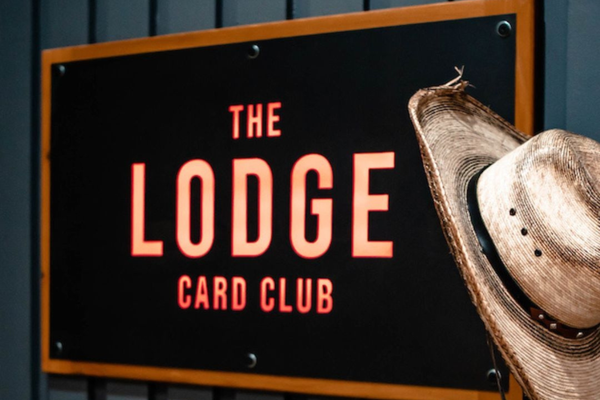
Texas authorities shut down The Lodge Card Club in Round Rock during an early morning raid this Tuesday, sending shockwaves through the poker community. The high-profile venue, co-owned by poker influencers Andrew Neeme, Brad Owen, and Doug Polk, remains shuttered as the Texas Alcoholic Beverage Commission investigates circumstances yet to be publicly disclosed.
What Happened
The Texas Alcoholic Beverage Commission descended upon The Lodge Card Club without warning on Tuesday morning, interrupting regular gaming operations at one of the state’s most prominent poker venues. Players mid-session were detained for identification purposes before being dismissed with their chips still in hand, according to multiple eyewitness accounts circulating within the poker community.
The facility has not reopened since the intervention. Management reportedly informed players they would be able to exchange their chips for cash once operations resume, though no timeline has been established for when that might occur. The TABC, which oversees both alcohol licensing and gaming regulation throughout Texas, has not released an official statement detailing the specific violations or concerns that prompted the enforcement action.
The Lodge operates within a legal grey area that has allowed poker rooms to flourish across Texas in recent years. These establishments function as private membership clubs offering peer-to-peer gambling, a structure designed to navigate around the state’s strict gaming prohibitions. With more than 80 tables running daily cash games and tournament series, The Lodge represents the largest operation of its kind in Texas.
The timing couldn’t be worse for scheduled events. The World Poker Tour had planned to host their Wacky Weekend Wildcard event at the venue this coming weekend, but the tour has since announced a cancellation citing “circumstances outside of WPT’s control that impact event operations.” The abrupt cancellation leaves players who had made travel arrangements scrambling for alternatives.
The Legal Strategy Breakdown
Understanding the regulatory landscape in Texas requires examining the specific legal framework these poker rooms exploit. Texas law prohibits most forms of gambling, but carved out exceptions exist for private social clubs where members engage in peer-to-peer wagering. The critical distinction lies in who profits from the games themselves.
Traditional casinos operate house-banked games where players compete against the establishment. Texas poker rooms instead charge membership fees and seat rental charges while players compete exclusively against each other. This structure theoretically keeps operations within legal boundaries, though the interpretation remains contentious among law enforcement agencies and legal scholars.
The TABC’s involvement adds another layer of complexity. While primarily known for alcohol enforcement, the commission holds broader authority over establishments that combine drinking and gaming. Any violation of alcohol service regulations could provide grounds for intervention, even if the poker operations themselves comply with the private club framework.
Several factors could have triggered this enforcement action. Potential issues include improper membership verification procedures, inadequate age verification protocols, alcohol service violations, or concerns about the private club designation being applied too loosely. Some industry observers speculate that the venue’s high profile and substantial revenue generation may have attracted regulatory scrutiny that smaller operations avoid.
The silence from both The Lodge ownership and state authorities suggests ongoing investigation rather than a simple compliance check. Routine inspections typically conclude quickly with citations issued for specific violations. Extended closures indicate more serious concerns requiring thorough documentation and evidence gathering.
Reading The Field & Table Dynamics
The broader implications extend far beyond one venue’s temporary closure. Texas has experienced explosive growth in poker room operations over the past several years, with establishments opening across major metropolitan areas. This raid signals that regulatory tolerance may be reaching its limits, potentially foreshadowing increased enforcement statewide.
Political dynamics play a crucial role in how these situations unfold. Texas lawmakers have debated gambling expansion repeatedly, with proposals ranging from full casino legalization to explicit codification of poker room regulations. The lack of clear legislative direction leaves enforcement agencies with discretionary authority that can shift based on political pressure and public sentiment.
The Lodge’s ownership by prominent poker personalities adds unique dimensions to this situation. Neeme, Owen, and Polk have combined YouTube audiences numbering in the millions, giving them unprecedented platform reach within the poker community. Their involvement has brought mainstream attention to Texas poker rooms, which could be viewed as either legitimizing the industry or making it too visible for authorities to ignore.
Competing interests within the gaming industry also factor into enforcement priorities. Tribal casinos operating in neighboring states, lottery officials concerned about revenue cannibalization, and traditional casino operators seeking Texas market entry all have incentives to see current poker room operations curtailed. These stakeholders often lobby for stricter enforcement of existing laws while pursuing legislative changes favorable to their interests.
The cancellation of the World Poker Tour event represents significant financial impact beyond just The Lodge. Hotels, restaurants, transportation services, and other local businesses that benefit from poker tourism lose substantial revenue when major events get scrapped. These economic considerations sometimes influence how aggressively authorities pursue enforcement actions against gaming establishments.
How To Apply This To Your Game
For players who regularly patronize Texas poker rooms, this incident demands reassessment of risk tolerance and contingency planning. While getting caught in a raid doesn’t typically result in criminal charges for players simply participating in games, the inconvenience and uncertainty create legitimate concerns.
Diversifying your poker venue options provides insurance against sudden closures. Players who exclusively frequent one room may find themselves without playing options if that establishment faces regulatory action. Familiarizing yourself with multiple venues across different jurisdictions ensures continued access to games regardless of enforcement actions at any single location.
Understanding your legal position as a player offers peace of mind. Texas law generally targets operators rather than participants in illegal gambling operations. Players detained during raids are typically identified and released without charges, though exceptions can occur if other illegal activity is discovered. Consulting with legal counsel familiar with Texas gaming law provides clarity on your specific risk exposure.
Financial planning should account for potential chip access disruptions. Players with substantial bankrolls locked up in house chips face liquidity problems if venues close unexpectedly. Maintaining reasonable chip balances and converting excess back to cash regularly minimizes exposure to this risk. Some players adopt policies of never leaving more than a few buy-ins worth of chips at any single establishment.
Tournament players need backup plans when major events face cancellation. The WPT event cancellation illustrates how quickly schedules can change when venues encounter regulatory problems. Booking refundable travel arrangements and monitoring alternative tournament options in nearby states provides flexibility when Texas events get disrupted.
Staying informed about regulatory developments helps anticipate potential enforcement trends. Following industry news, monitoring legislative activity, and participating in poker advocacy organizations keeps you ahead of changes that might impact your playing options. The poker community often receives advance warning signals before major enforcement actions escalate.
Key Takeaways
- The Lodge Card Club was raided by Texas authorities on Tuesday morning, forcing closure of the state’s largest poker room with no reopening date announced
- Texas poker rooms operate in legal grey areas as private clubs, making them vulnerable to regulatory enforcement despite widespread acceptance
- The World Poker Tour cancelled their scheduled weekend event at The Lodge due to the ongoing closure and investigation
- Players should diversify venue options and minimize chip balances at any single establishment to reduce exposure to sudden closures
- This raid may signal broader enforcement trends across Texas poker rooms, potentially impacting the entire state’s poker ecosystem
- Political and industry dynamics beyond just legal compliance often drive enforcement decisions against gaming establishments
Frequently Asked Questions
Are players legally at risk when poker rooms get raided in Texas?
Generally no. Texas enforcement actions target operators rather than players participating in games. Players detained during raids are typically identified and released without criminal charges. However, you should consult with legal counsel if you have specific concerns about your situation, especially if you have substantial funds involved or participate in high-stakes games regularly.
How does the private club model allow poker rooms to operate in Texas?
Texas law prohibits most gambling but allows peer-to-peer wagering among private club members. Poker rooms charge membership fees and seat rentals rather than raking pots directly, positioning themselves as facilitating private games rather than operating gambling establishments. This legal interpretation remains disputed, and enforcement agencies may disagree with how broadly venues apply the private club exemption.
What happens to chips and account balances when a poker room closes unexpectedly?
Policies vary by establishment, but most venues allow players to redeem chips once operations resume. The Lodge reportedly told players they could cash out after reopening. However, extended closures or permanent shutdowns can create complications. Players may need to file claims or participate in legal proceedings to recover funds if a venue never reopens. This risk highlights the importance of maintaining minimal chip balances.
Final Thoughts
The raid on The Lodge Card Club represents more than just one venue’s temporary setback. It exposes the fundamental instability underlying Texas poker’s recent boom and raises questions about the long-term viability of the private club model. While poker rooms have proliferated across the state in recent years, this incident demonstrates that regulatory tolerance can evaporate quickly when authorities decide to enforce existing laws more aggressively.
The poker community now watches closely to see whether this represents an isolated incident or the beginning of broader enforcement trends. If other Texas poker rooms face similar actions in coming weeks, the entire state’s poker ecosystem could contract rapidly. Alternatively, if The Lodge resolves its issues and reopens without major penalties, the status quo may continue with only minor adjustments to compliance procedures.
For players, the lesson is clear: understand the legal landscape where you play, maintain awareness of regulatory risks, and avoid overexposure to any single venue. Texas poker exists in a state of legal ambiguity that offers both opportunity and risk. Those who navigate these waters successfully do so with eyes wide open to the realities of playing in unregulated environments.
Ready to Sharpen Your Poker Game?
Master your poker game with expert hand analysis
