

The Raw Truth: How Gonzo Poker Blogging Changed WSOP Coverage
Before polished media coverage became the norm, one Grateful Dead-loving blogger armed with nothing but a free blog platform revolutionized how poker fans experienced the World Series of Poker. Paul McGuire, writing as ‘Dr. Pauly,’ turned Tao of Poker into the most authentic window into the chaos, deals, and human drama that mainstream outlets deliberately ignored.
What Happened
When the poker boom exploded in the mid-2000s, traditional media coverage followed a predictable formula. ESPN crafted narratives around heroes and villains, focusing cameras on chip stacks and dramatic all-ins. Meanwhile, an entirely different story was unfolding in the hallways, on the rail, and in the shadowy corners of the Rio’s Amazon Room.
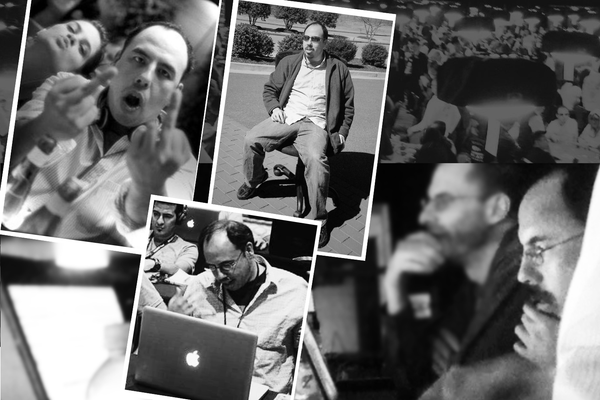
Paul McGuire arrived at the 2005 WSOP without credentials from a journalism school or backing from a major media company. His tool was Tao of Poker, a simple blog that started as a personal electronic notebook two months after Chris Moneymaker’s legendary 2003 Main Event victory. What began as scattered observations quickly evolved into required reading for players, executives, and anyone wanting to understand what really happened when the cameras stopped rolling.
The timing was perfect. The WSOP had just relocated from Binion’s downtown to the Rio, and the infrastructure struggled to handle the massive influx of players fueled by the online poker explosion. Single events stretched until dawn. Fields ballooned beyond anyone’s projections. The organizational chaos created gaps that traditional reporters either couldn’t or wouldn’t fill.
McGuire filled those gaps with raw, unfiltered storytelling. While competitors focused on bustout hands and chip counts, he documented the loan sharks circulating through crowds, the secret financial arrangements between players, the exhausted dealers working impossible hours, and the desperate people waiting on the rail to claim their piece of someone else’s score. His coverage read less like tournament reporting and more like dispatches from inside a circus that hadn’t yet learned to control its own narrative.
By the third week of his first WSOP, professional players were actively seeking him out. One well-known pro interrupted his work to ask McGuire to accompany him to the bathroom—not for conversation, but because appearing in the next installment of Tao of Poker’s “The Last 5” series had become a badge of honor in the poker community.
The Poker Strategy Breakdown
McGuire’s approach to poker coverage offers strategic lessons that extend beyond writing. His success came from identifying what others overlooked—a principle that applies directly to poker strategy.
Traditional poker media in the mid-2000s operated from a position of scarcity and control. Access was limited, stories were sanitized, and coverage followed established patterns. McGuire recognized that value existed in the unexploited areas. While everyone crowded around the featured table, he explored the periphery where real stories lived.
This mirrors a fundamental strategic concept: finding value where others aren’t looking. In poker, this might mean identifying profitable spots in games everyone else considers unprofitable, or recognizing player tendencies that standard analysis misses. McGuire’s journalistic edge came from the same place a skilled player’s edge comes from—superior information gathering and willingness to explore unconventional angles.
His method also demonstrates the power of authentic observation over manufactured narrative. ESPN needed heroes and villains because television requires clear story arcs. McGuire’s blog thrived because it presented poker as it actually existed: messy, human, sometimes dark, often hilarious, and always more complex than any single narrative could capture.
The strategic parallel is crucial. Many players approach poker trying to fit hands into predetermined categories or force situations into familiar patterns. The most successful players, like the most successful observers, remain open to what’s actually happening rather than what they expect to happen. McGuire’s lack of formal journalism training became an advantage because he wasn’t constrained by industry conventions about what poker coverage “should” look like.
Reading The Field & Table Dynamics
McGuire’s coverage revealed dynamics that traditional reporting missed entirely. The rail wasn’t just a place for spectators—it was a secondary market where debts were collected, backing deals were negotiated, and the real financial ecosystem of poker operated in plain sight.
Understanding these dynamics provides insight into player behavior at the table. A player with backers waiting on the rail faces different pressure than someone playing with their own money. Someone who borrowed their buy-in from a loan shark makes different decisions than a well-bankrolled professional. These invisible pressures influence everything from risk tolerance to bluffing frequency to final table deal-making.
The chaos McGuire documented during the boom years—events running until dawn, organizational disasters, dealers pushed to their limits—created a specific tournament environment. Players faced not just poker decisions but endurance tests. The ability to maintain focus during eighteen-hour sessions became as important as technical skill. Understanding when opponents are exhausted, frustrated with tournament administration, or distracted by off-table concerns creates exploitable edges.
McGuire also captured the communal aspect of poker during this era. The boom years fostered a sense that everyone was participating in something unprecedented. This collective energy influenced table dynamics in ways that pure game theory couldn’t explain. Players took bigger risks, made more creative plays, and engaged in more table talk because the atmosphere encouraged it.
Modern tournament poker has become more professional, more structured, and in many ways more predictable. Understanding what was lost provides context for what remains. The financial pressures, backing arrangements, and rail dynamics that McGuire documented still exist—they’re just less visible now.
How To Apply This To Your Game
The lessons from McGuire’s approach to poker coverage translate directly into strategic advantages at the table.
First, develop the habit of looking where others aren’t looking. At a poker table, this means paying attention during hands you’re not involved in. Watch how players handle chips when they’re not in a pot. Notice who talks to whom during breaks. Observe how players react to others’ bad beats. This peripheral information often reveals more about tendencies than the hands they play.
Second, question the standard narrative. If everyone at your table believes a particular player is tight, ask yourself what evidence supports that conclusion. If conventional wisdom says a certain play is always correct, examine whether that applies to your specific situation with these specific opponents. McGuire’s success came from trusting his own observations over accepted wisdom—a mindset that creates edges in poker.
Third, recognize that poker happens in context. The technical decision is only part of the equation. Understanding who’s stuck, who’s playing with scared money, who has supporters watching, and who’s on tilt from an earlier session provides crucial context that pure range analysis misses. McGuire documented these human elements because they mattered more than most coverage acknowledged.
Fourth, embrace the chaos rather than fighting it. The boom-era WSOP was disorganized, unpredictable, and often frustrating. Players who adapted to these conditions had an advantage over those who expected smooth operations. Similarly, poker sessions rarely unfold as planned. The ability to adjust to unexpected dynamics, unusual table compositions, or changing conditions separates adaptable players from rigid ones.
Finally, understand that authenticity creates value. McGuire’s blog succeeded because readers recognized it as genuine. At the poker table, players who present an authentic table presence—whether that’s genuinely friendly, genuinely quiet, or genuinely aggressive—are harder to read than those trying to project a false image. Authenticity is sustainable in ways that performance isn’t.
Key Takeaways
- The most valuable information often exists in places others aren’t looking—both in poker coverage and at the poker table
- Understanding the financial and emotional pressures players face off the table provides crucial context for their decisions at the table
- Tournament dynamics extend far beyond cards and chips to include endurance, organizational chaos, and communal atmosphere
- Questioning standard narratives and trusting your own observations creates edges that conventional analysis misses
- Authenticity and adaptability matter more than following predetermined formulas, whether in poker writing or poker playing
- The human elements of poker—desperation, exhaustion, relationships, financial pressure—influence decisions as much as mathematical considerations
Frequently Asked Questions
How did blogs like Tao of Poker change poker media coverage?
Blogs eliminated the corporate filter that traditional media required, allowing writers to cover aspects of poker that mainstream outlets avoided—including financial arrangements, loan sharks, personal drama, and the less glamorous realities of tournament poker. This created a more complete picture of the poker world and forced traditional media to expand their coverage beyond sanitized narratives.
Why don’t poker blogs have the same influence today as during the boom?
The poker industry has become more professionalized and controlled. Players are more media-trained, tournaments are better organized, and the wild, chaotic atmosphere of the boom years has been replaced by smoother operations. Additionally, social media fragmented the audience that once gathered around a few key blogs, and the financial ecosystem changed dramatically after Black Friday in 2011.
What strategic advantage comes from understanding rail dynamics and backing arrangements?
Knowing whether an opponent is playing with their own money, is backed, or borrowed their buy-in helps predict their risk tolerance and decision-making under pressure. Someone playing with borrowed money often plays more desperately, while backed players might take different risks depending on their makeup agreements. These invisible pressures create exploitable tendencies that pure technical analysis misses.
Final Thoughts
The story of Dr. Pauly and Tao of Poker represents more than nostalgia for poker’s boom years. It illustrates a fundamental truth about both poker and storytelling: the most valuable perspectives often come from outside the established system, and the most important information exists in the spaces between official narratives.
McGuire’s success came from recognizing that poker tournaments weren’t just sporting events—they were human dramas involving money, desperation, ambition, and community. By documenting what happened in the hallways and on the rail, he captured the complete picture that sanitized coverage missed. For players today, the lesson is clear: technical skill matters, but understanding the human context surrounding every decision matters just as much. The players who develop both dimensions of poker understanding—the mathematical and the observational, the strategic and the human—build the most complete games.
The chaotic, unfiltered poker world that made Tao of Poker essential reading may no longer exist in the same form, but the principles behind its success remain relevant. Look where others aren’t looking. Trust your observations. Understand the complete context. And never forget that poker, at its core, remains a human game played by people carrying invisible pressures, hopes, and stories that influence every decision they make.
Ready to Sharpen Your Poker Game?
Master your poker game with expert hand analysis
