The Tech Arms Race in Poker: Why Banning Devices Isn’t Simple
The poker world faces an uncomfortable truth: technology capable of providing real-time strategic assistance is no longer theoretical, it’s operational. As AI-powered tools transition from research labs to actual card rooms, tournament organizers must navigate an impossible balance between game integrity and player experience. The question isn’t whether cheating technology exists—it’s whether the cure might be worse than the disease.
What Happened
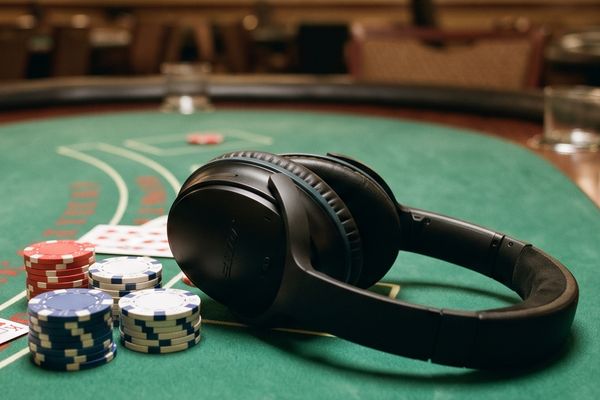
Recent developments have thrust the technology debate into poker’s spotlight. Apple’s testing of camera-equipped AirPods has tournament directors reconsidering their stance on headphones, while AI engineers are successfully deploying tell-detection systems in live cash games. Matt Savage confirmed that headphone bans will be discussed at this summer’s TDA summit, sparking heated debate among players who’ve grown accustomed to their musical companions during marathon sessions.
The timing is significant. What was once dismissed as paranoid speculation has materialized into working prototypes. AI systems that can analyze player behavior, calculate optimal strategies, and potentially identify betting patterns are moving from concept to reality. Meanwhile, wearable technology continues shrinking while computational power expands, creating devices that could theoretically provide coaching without detection.
This convergence has forced poker’s governing bodies into a corner. Do they implement sweeping technology bans that alienate recreational players? Or do they accept calculated risks in hopes of maintaining the game’s accessibility and social appeal?
The Poker Strategy Breakdown
Understanding the strategic implications requires examining what these technologies actually enable. Current-generation devices pose minimal immediate threat. The camera functionality in Apple’s prototype AirPods integrates tightly with Siri, relying on large language models rather than dedicated poker solvers. Anyone who followed last year’s LLM poker competitions knows these systems struggle with fundamental poker concepts—they misread boards, make nonsensical plays, and lack the nuanced understanding that separates competent players from algorithms.
But extrapolate one or two generations forward, and the landscape shifts dramatically. If developers can access camera feeds independently or write custom code for wearable devices, we’re looking at potential real-time solver access. Imagine a player receiving subtle audio cues about optimal bet sizing, or vibration patterns indicating whether to fold, call, or raise based on GTO principles.
Smart glasses represent a more pressing concern than audio devices. They offer superior camera positioning, better processing capabilities, and less conspicuous operation. A player wearing glasses equipped with facial recognition and behavioral analysis could potentially identify opponents’ unconscious tells with machine-learning precision that exceeds human observation.
The strategic advantage isn’t just about having perfect information—it’s about processing speed. Even mediocre players equipped with real-time assistance could make decisions approaching optimal play. This doesn’t just affect high-stakes games; it fundamentally alters the skill gradient that makes poker profitable for dedicated students of the game.
Consider a typical tournament scenario: you’re on the bubble with 15 big blinds in the cutoff. A competent player might take 30 seconds to consider ICM implications, opponent ranges, and stack sizes before making a decision. Someone with discrete technological assistance could receive that analysis instantly, eliminating the edge that serious players have spent thousands of hours developing.
Reading The Field & Table Dynamics
The technology debate extends beyond individual hands into broader table dynamics and player psychology. Walk into any modern poker room and you’ll witness a sea of hoodies, sunglasses, and headphones. This uniform has become poker’s default aesthetic, particularly among younger grinders who’ve never known a game without smartphones.
Headphones serve multiple legitimate purposes beyond preventing cheating. They help players maintain focus during lengthy sessions, block out distracting conversations, and create psychological barriers against opponents seeking information through table talk. For many recreational players, the ability to listen to music or podcasts makes grinding more bearable. Remove that comfort, and you risk losing the casual players who provide poker’s economic foundation.
There’s also a social dimension worth considering. Poker thrives on its accessibility to newcomers, but intimidation remains a significant barrier to entry. Picture a first-time casino visitor approaching a poker table where every player sits silently, headphones in, avoiding eye contact. That’s not exactly welcoming. Conversely, some players specifically prefer the anonymous, non-social atmosphere that technology enables. They’re not at the table to make friends; they’re there to make money.
The risk tolerance question becomes crucial here. Players routinely accept various levels of risk in exchange for game access. Offshore poker sites with questionable security continue attracting players despite regular complaints about integrity. Underground games in jurisdictions where poker exists in legal gray areas still run nightly. Players make conscious decisions that the risk of cheating or legal consequences is acceptable given the alternative of not playing at all.
This creates a paradox for tournament organizers: implementing the strictest possible security measures might create the safest game theoretically, but if those measures drive away players, you’ve secured an empty room. The most secure poker game in the world is worthless if nobody wants to play it.
How To Apply This To Your Game
For players navigating this evolving landscape, several practical considerations emerge. First, recognize that game selection now includes evaluating technological security. Higher-stakes games and major tournaments will likely implement stricter controls than casual cash games. If you’re primarily a recreational player who values the social and entertainment aspects, you might prioritize venues that maintain a relaxed technology policy. Serious professionals concerned about game integrity should gravitate toward rooms with robust security measures.
Second, develop your observational skills independent of technology. If AI-assisted play becomes more prevalent, the ability to identify unusual patterns becomes increasingly valuable. Players who consistently make unexpectedly optimal decisions, especially in complex spots, warrant additional scrutiny. This doesn’t mean becoming paranoid, but maintaining awareness of statistical anomalies.
Third, advocate for sensible middle-ground policies. The all-or-nothing approach—either ban everything or allow everything—creates unnecessary polarization. Many poker rooms could implement reasonable restrictions like prohibiting smart glasses while permitting basic headphones, or requiring visible devices only. Support venues and organizations that seek balanced solutions rather than reactionary extremes.
Fourth, adjust your strategy to account for potential technological assistance. If you suspect opponents might have access to solver-based guidance, avoid marginal spots where GTO play provides significant advantages. Focus on exploitative adjustments, live reads, and psychological warfare—areas where human intuition still exceeds artificial intelligence.
Finally, stay informed about technological developments. The landscape changes rapidly, and what seems impossible today might be commonplace tomorrow. Players who understand these trends can adapt their game selection, strategy, and security awareness accordingly.
Key Takeaways
- Current camera-equipped AirPods pose minimal immediate threat due to Siri integration and reliance on LLMs, which perform poorly at poker, but future generations could enable serious cheating capabilities
- Smart glasses represent a more pressing concern than audio devices, offering better camera positioning and processing power for potential real-time assistance
- Blanket technology bans risk alienating recreational players who rely on headphones and devices for comfort during long sessions, potentially harming poker’s economic ecosystem
- Players routinely accept calculated risks regarding game integrity in exchange for access and convenience, suggesting complete security isn’t the only priority
- The optimal solution likely involves balanced policies that restrict high-risk devices while permitting low-threat technology that enhances player experience
- Game selection should now include evaluating venue security measures, with serious players gravitating toward rooms with stronger technological controls
Frequently Asked Questions
Can AI really detect poker tells in real-time during live games?
Yes, AI tell-detection systems are already being deployed in actual cash games, moving beyond theoretical research into practical application. These systems use machine learning to analyze player behavior patterns and correlate them with hand strength. However, accuracy varies significantly, and the technology remains in early stages. Current systems work best with extensive data on specific opponents rather than providing instant reads on unknown players.
Why don’t large language models like ChatGPT play poker well?
LLMs struggle with poker because they’re trained on text prediction rather than game theory optimization. They frequently misread board textures, make strategically nonsensical plays, and lack the mathematical framework for proper range construction and bet sizing. Poker requires precise probabilistic reasoning and strategic consistency that general-purpose language models simply weren’t designed to handle. Dedicated poker solvers use completely different algorithmic approaches.
What’s the difference between smart glasses and camera-equipped AirPods for cheating?
Smart glasses offer superior camera positioning at eye level, providing clearer views of cards, opponents, and the board. They typically have better processing capabilities and can operate more discretely than audio devices with cameras. AirPods with cameras face positioning challenges and currently integrate tightly with Siri rather than allowing independent camera access. However, both technologies could theoretically enable real-time strategic assistance if properly configured.
Final Thoughts
The technology debate in poker ultimately reflects broader tensions between security and accessibility, tradition and innovation, professional interests and recreational appeal. There’s no perfect solution because the competing priorities are genuinely incompatible. Maximum security requires restrictions that many players find unacceptable, while complete technological freedom invites cheating that undermines game integrity.
The path forward likely involves accepting imperfect compromises. Venues will need to assess their player demographics and risk tolerance, implementing policies that match their specific circumstances. High-stakes tournament poker might adopt strict controls including device bans and enhanced monitoring, while casual cash games maintain relaxed policies that prioritize player comfort. Different contexts demand different approaches.
What’s certain is that this conversation isn’t ending anytime soon. Technology will continue advancing, creating new capabilities and new concerns. The poker community must remain engaged, advocating for sensible policies while adapting strategies to evolving realities. The alternative—ignoring these developments or implementing reactionary bans—serves nobody’s interests. Smart, measured responses that balance legitimate concerns with practical realities offer the best hope for poker’s long-term health in an increasingly technological world.
Ready to Sharpen Your Poker Game?
Master your poker game with expert hand analysis