Tom Dwan Reveals How Timing Gave Him Edge Over Phil Galfond
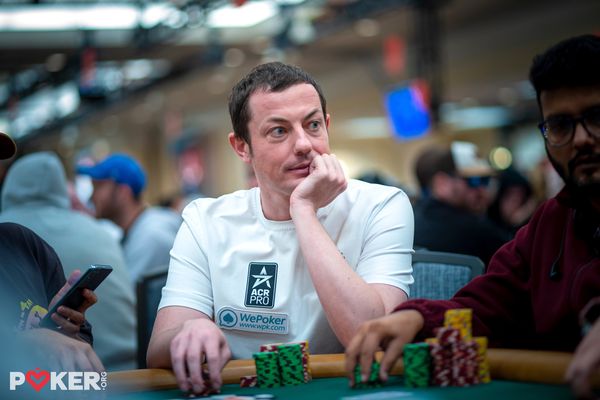
Tom Dwan recently disclosed that his success on High Stakes Poker—nearly $3 million in profits—came down to one critical advantage: he arrived before live pros realized online players knew what they were doing. Phil Galfond, equally skilled but arriving years later, faced opponents who’d already adapted to the “math kids,” resulting in a $425,000 loss over 11 hours of televised play.
What Happened
During a recent Run It Once Training Q&A session, Dwan fielded a provocative question from the audience: how different would his career trajectory have been if he’d experienced Galfond’s brutal run on High Stakes Poker instead of his own legendary winning streak?
The answer revealed something far more interesting than variance. Dwan explained that while he and Galfond possessed comparable skill levels relative to their opponents, the timing of their respective appearances on the show created vastly different outcomes. Dwan entered the High Stakes Poker arena during an era when established live professionals still harbored skepticism—if not outright dismissal—toward the emerging generation of online grinders.
“I got to play earlier than he did,” Dwan stated plainly. He elaborated that during his initial appearances, the live pros assumed online players lacked fundamental poker understanding. This perception gap created exploitable edges that Dwan capitalized on ruthlessly, building both his bankroll and his reputation during poker’s golden television era.
By contrast, when Galfond sat down at those same felt-covered tables two to four years later, the landscape had shifted dramatically. The live professionals had witnessed Dwan’s demolition job, studied the online player’s approaches, and adjusted their strategies accordingly. What had been a target-rich environment for Dwan became a significantly tougher battlefield for Galfond.
The Poker Strategy Breakdown
Dwan’s revelation exposes a fundamental truth about poker edges: technical skill represents only one component of profitability. The perception your opponents hold about your capabilities can be equally valuable—sometimes more so.
When Dwan first appeared on High Stakes Poker, he possessed several advantages that weren’t immediately visible in his hand ranges or betting patterns. Online players of that generation had access to hand history databases, tracking software, and volume that live professionals simply couldn’t match. While a successful live pro might play 30,000 hands annually, serious online grinders were seeing that many hands in a month or less.
This volume differential created pattern recognition capabilities that live players underestimated. Online players developed intuitive understanding of frequencies, equity distributions, and range construction through sheer repetition. They’d encountered specific board textures and action sequences thousands of times; their live counterparts might have seen them dozens of times.
However, the strategic advantage Dwan enjoyed wasn’t purely technical. His opponents’ fundamental misunderstanding of his capabilities meant they made predictable mistakes. They’d call down too light, assuming the young online player was bluffing at frequencies that would be suicidal against competent opposition. They’d fold too often to aggression, believing online players only bet when they held premium holdings.
Dwan acknowledged running “ridiculously good” on the show, but separated variance from edge. His edge existed because opponents operated from flawed assumptions about his strategic framework. By the time Galfond arrived, those assumptions had been corrected through painful—and expensive—experience.
The live professionals weren’t unintelligent. Dwan explicitly noted they were “not dumb guys.” They simply lacked exposure to the analytical tools and volume-based learning that defined online poker’s development. Once they recognized the legitimacy of these approaches, they adapted. This adaptation compressed the edge available to subsequent online players who appeared on the show.
Reading The Field & Table Dynamics
The Dwan-Galfond comparison illustrates how table dynamics extend beyond individual hands into broader strategic contexts. Understanding how opponents perceive you—and your entire player demographic—creates opportunities that pure game theory optimal play cannot capture.
When Dwan sat down against established professionals like Doyle Brunson, Barry Greenstein, and Eli Elezra, he wasn’t just playing his cards. He was navigating a complex web of assumptions, stereotypes, and incomplete information. His opponents saw a young kid who’d made money clicking buttons on a computer screen. They assumed his success stemmed from playing weak competition in an environment divorced from “real” poker.
This perception created exploitable imbalances. Opponents would make hero calls based on the assumption that Dwan couldn’t possibly have strong holdings as frequently as his aggression suggested. They’d attempt to “teach the kid a lesson” through light three-bets and aggressive lines that they wouldn’t employ against players they respected.
Dwan’s edge came from recognizing this dynamic and adjusting accordingly. He could bluff less frequently than opponents expected because they were already calling too often. He could value bet thinner because opponents convinced themselves he was bluffing. The strategic adjustments required weren’t complex—they simply required accurate reading of opponent biases.
By Galfond’s era, these dynamics had inverted. Opponents now gave online players credit for understanding poker theory. They weren’t making loose calls based on stereotypes; they were making disciplined folds based on respect for online players’ capabilities. The “online kid” label shifted from liability to warning sign.
This shift didn’t make Galfond a worse player—it made his opponents better prepared. The same technical skills that generated massive edges for Dwan produced modest edges for Galfond. Combined with standard variance over a small sample size, those modest edges translated into losses rather than wins.
How To Apply This To Your Game
The strategic lessons from Dwan’s analysis extend far beyond televised poker. Every player can apply these insights to their regular games, whether online or live.
First, recognize that your table image represents a strategic asset you can cultivate and exploit. If opponents perceive you as tight, your bluffs gain credibility. If they view you as loose, your value bets get paid. Rather than fighting against these perceptions, identify them and adjust your strategy to maximize exploitation.
Second, understand that edges exist in windows of opportunity. Dwan’s massive edge on High Stakes Poker wasn’t permanent—it existed because of specific conditions that eventually changed. In your games, identify temporary advantages before they disappear. Perhaps a new player joins your regular game who doesn’t understand modern poker theory. Perhaps a table develops a calling culture that makes bluffing unprofitable. Recognize these conditions, adjust appropriately, and maximize value while the opportunity exists.
Third, consider the meta-game beyond individual sessions. Dwan’s early success on High Stakes Poker established his reputation, which created additional opportunities in future games. Your performance and image in regular games compounds over time. A reputation for tight play might enable a profitable bluff months later. A reputation for aggression might generate extra action on your premium holdings.
Fourth, respect the adaptation cycle. Just as live pros adjusted to online players’ capabilities, your regular opponents will adjust to your strategies. If you’ve been exploiting a particular tendency, assume opponents will eventually correct it. Stay ahead of this adaptation by continuously updating your approach based on opponent adjustments.
Finally, recognize that timing matters in poker career development. Dwan benefited from arriving at High Stakes Poker during a specific window. You can create similar advantages by identifying emerging games, new poker variants, or underexploited player pools before they become efficient. The first players to master short deck hold’em or PLO5 enjoyed edges that later players couldn’t replicate.
Key Takeaways
- Timing can be as valuable as technical skill—Dwan’s edge came partly from arriving before live pros understood online players’ capabilities
- Opponent perceptions create exploitable imbalances that pure technical skill cannot—how opponents view your player type affects their strategic adjustments
- Edges compress as opponents adapt—Galfond faced tougher competition despite similar skill levels because opponents had learned from playing Dwan
- Volume-based learning from online poker created pattern recognition advantages that live players initially underestimated
- Small timing differences can create massive career impacts—Dwan’s early success built reputation and opportunities that shaped his entire trajectory
- Variance impacts are magnified over small samples—Galfond’s 11 hours of televised play provided insufficient sample size to overcome normal variance
Frequently Asked Questions
How much did Tom Dwan actually win on High Stakes Poker?
Dwan won nearly $3 million during his appearances on High Stakes Poker, making him one of the show’s most successful players. This success came during his early appearances when live professionals underestimated online players’ capabilities, giving him significant strategic advantages beyond his technical skill level.
Why did Phil Galfond lose money on High Stakes Poker despite being equally skilled?
Galfond appeared on the show two to four years after Dwan, by which time live professionals had adapted to online players’ strategies. While Galfond possessed similar technical skills relative to opponents, his edge was significantly smaller because opponents no longer underestimated online players. Combined with running poorly over a small 11-hour sample, this resulted in a $425,000 loss.
What advantages did online players have over live pros during this era?
Online players had access to massive hand volumes, tracking software, and hand history databases that live professionals couldn’t match. This created superior pattern recognition, better understanding of frequencies and equity distributions, and more refined range construction. However, the advantage only translated to profit when live pros underestimated these capabilities.
Final Thoughts
Dwan’s candid assessment of his High Stakes Poker success reveals uncomfortable truths about poker edges. We prefer to believe that skill alone determines outcomes, that superior strategy inevitably produces profits. The reality is messier: timing, opponent perceptions, and temporary windows of opportunity often matter as much as technical capabilities.
This doesn’t diminish Dwan’s accomplishments or excuse Galfond’s losses. Both players demonstrated elite-level poker understanding. But Dwan’s early arrival allowed him to capitalize on a specific market inefficiency—live pros’ underestimation of online players—that had largely corrected by Galfond’s appearance. In poker, as in many competitive endeavors, being right first often beats being right later.
For players seeking to improve their results, the lesson is clear: technical skill development remains essential, but strategic awareness of meta-game factors separates good players from great ones. Identify temporary advantages, understand how opponents perceive you, and recognize that the same strategy producing massive edges today might generate modest edges tomorrow. The game evolves, opponents adapt, and sustained success requires continuous adjustment to changing conditions.
Ready to Sharpen Your Poker Game?
Master your poker game with expert hand analysis