What Boom-Era Photography Reveals About Poker Psychology
The greatest poker photographs from the 2000s boom weren’t just documentation—they were psychological case studies frozen in time. Joe Giron’s lens captured what words couldn’t: the exact moment dreams shattered or fortunes changed, revealing tells and emotional patterns that still inform winning poker strategy today.
What Happened
Between 2006 and the late 2000s, photojournalist Joe Giron documented the World Series of Poker during its most explosive growth period. Coming from a background photographing airline disasters, earthquakes, and legendary rock acts like Nirvana and Pantera, Giron brought a news photographer’s instinct for capturing raw human emotion to the poker world.
His first WSOP assignment in June 2006 threw him into the Amazon Ballroom at the Rio, where thousands of players created what he described as “organized chaos.” With only six months of poker industry experience, Giron had to quickly learn not just the game’s mechanics, but how to anticipate where emotion would surface—the money bubble, crucial all-ins, championship-deciding hands.
Unlike ESPN’s cameras that could edit hundreds of hours into narrative arcs, or writers who could reconstruct events afterward, Giron had one chance to capture history in a single frame. His archive from this era became the definitive visual record of poker’s golden age, documenting everyone from Chip Reese’s final H.O.R.S.E. championship to Jerry Yang’s 2007 Main Event victory.
But beyond historical value, these photographs reveal something more valuable to serious players: a masterclass in reading emotional control, tilt, confidence, and fear at poker’s highest stakes.
The Poker Strategy Breakdown
Giron’s approach to poker photography mirrors how elite players read opponents. He learned to position himself where emotion would inevitably surface—not during routine hands, but at pressure points where psychological armor cracks.
“I was attempting to capture moments of emotion that told the story of the tournaments photojournalistically,” Giron explained. His strategy focused on money bubbles and deep tournament runs, precisely where variance meets psychology and players reveal their true mental state.
This photographic strategy translates directly to table awareness. Just as Giron learned to anticipate where emotional reactions would occur, winning players develop similar pattern recognition. The player who maintains composure during routine pots but shows micro-expressions during significant decisions is giving away exploitable information.
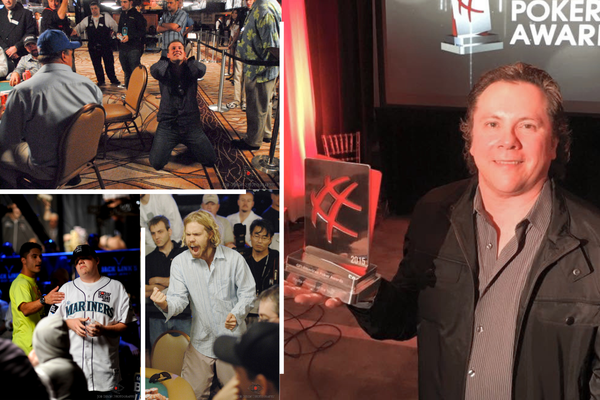
Consider what Giron captured in boom-era photographs: players experiencing “elation or dejection” at crucial moments. These weren’t posed shots—they were genuine psychological responses under extreme pressure. Study these images and you’ll notice patterns: how shoulders slump after bad beats, how facial muscles tighten before big bluffs, how breathing changes when players face elimination.
Modern players obsess over GTO solver outputs and range construction, but the boom era’s top players succeeded largely through superior psychological reads. Giron’s photographs document this lost art. The ability to recognize when an opponent is genuinely confident versus projecting false strength remains one of poker’s most valuable skills, especially in live play where physical tells still matter.
The “mothership” stage that Giron photographed—stuck in the northeast corner of the Amazon Ballroom in 2006—created unique pressure dynamics. Players knew cameras were broadcasting their decisions to millions. This added psychological layer separated those who thrived under scrutiny from those who crumbled. Today’s players face similar pressure from livestreams and social media, making emotional control more valuable than ever.
Reading The Field & Table Dynamics
Giron’s observation that poker “can seem boring at the early stages” reveals an important tournament truth: emotional information becomes more valuable as stacks get shorter and pressure intensifies.
Early in tournaments, when stacks are deep and decisions less consequential, players maintain their psychological masks more easily. But as Giron learned to focus on money bubbles and final tables, smart players should similarly intensify their observation during high-pressure situations.
The boom-era WSOP that Giron documented featured massive fields of amateur players—the 2006 Main Event drew 8,773 entries. This created unique table dynamics: tables mixed seasoned professionals with complete novices experiencing the biggest pressure of their lives. Giron’s photographs from this era frequently show the stark contrast—pros maintaining stoic composure while recreational players wore every emotion openly.
This dynamic still exists in major tournaments today. The player who can identify which opponents will crack under pressure gains enormous strategic advantage. ICM pressure affects different player types differently: professionals accustomed to variance handle bubble situations more dispassionately than amateurs facing once-in-a-lifetime opportunities.
Giron’s news photography background taught him to “anticipate where the action might happen.” Similarly, skilled tournament players develop instincts for which table situations will generate exploitable emotional responses. Short stacks facing elimination, chip leaders protecting their position, players on extended downswings—each psychological profile creates different exploitation opportunities.
The “organized chaos” Giron described in the Amazon Ballroom mirrors the mental chaos many players experience during crucial decisions. Those who maintain clear thinking while others succumb to emotional decision-making gain decisive edges. The photographs from this era document countless examples of players visibly struggling with pressure—valuable lessons for anyone who studies them carefully.
How To Apply This To Your Game
First, develop your observational skills systematically. Giron spent years as a news photographer learning to anticipate emotional moments before entering poker. You can accelerate this process by consciously studying opponents during high-pressure situations rather than checking your phone between hands.
Create a mental catalog of emotional patterns. Notice how specific opponents react to bad beats, big wins, or tough decisions. Some players become visibly deflated after losing significant pots—these players often play too cautiously afterward, creating bluffing opportunities. Others show increased aggression after setbacks, signaling potential tilt and calling opportunities with strong hands.
Focus your attention during critical tournament stages. Just as Giron concentrated on money bubbles and final tables, intensify your psychological observation when ICM pressure peaks. Players reveal more information when facing elimination or life-changing payouts than during routine play.
Practice emotional control by understanding what you’re revealing. If boom-era photographs could capture players’ psychological states so clearly, assume observant opponents are reading your reactions too. Develop consistent physical routines for all decisions, regardless of hand strength or situation.
Study historical footage and photographs from poker’s boom era. Watch how players like Chris Moneymaker, Jerry Yang, and other Main Event champions handled pressure compared to those who fell short. The visual record provides case studies in psychological resilience that written analysis can’t fully capture.
Implement Giron’s philosophy of seeking “impactful moments that have context.” Don’t just passively observe opponents—actively predict when psychological information will surface, then watch carefully during those moments. The player who goes all-in on a stone bluff reveals different information than one moving in with the nuts, if you’re watching closely enough.
Key Takeaways
- Emotional information becomes most valuable during high-pressure situations like money bubbles, final tables, and crucial all-in decisions—focus your observation during these moments
- Players reveal psychological patterns through physical reactions to wins, losses, and difficult decisions; cataloging these patterns creates exploitable edges
- ICM pressure affects different player types differently; professionals typically handle stress better than amateurs facing unprecedented situations
- Maintaining emotional control while opponents crack under pressure provides decisive tournament advantages beyond pure technical skill
- Anticipating when emotional reactions will surface—rather than passively observing—separates elite readers from average players
- The boom era’s documented psychological moments provide valuable case studies for understanding pressure dynamics that remain relevant today
Frequently Asked Questions
How important are physical tells in modern poker compared to the boom era?
Physical tells remain highly valuable in live poker, though their importance varies by situation. In online play, timing tells and bet-sizing patterns replace physical information. However, in live tournaments—especially at final tables with recreational players—the ability to read emotional states through physical cues still provides significant edges. The boom era featured more amateur players who displayed obvious tells, but even modern professionals reveal information during extreme pressure if you know what to observe.
What’s the best way to practice reading opponents without playing poker constantly?
Study recorded poker content with the sound off, focusing purely on physical reactions and body language. Watch boom-era WSOP footage or modern livestreams and try predicting hand strength based solely on visual cues before seeing the cards. Additionally, practice observing people in high-pressure non-poker situations—negotiations, competitions, stressful conversations—to develop general pattern recognition for emotional states. This trains the same anticipatory instincts that made photographers like Giron successful.
How do you balance studying opponents with focusing on your own strategy?
Develop consistent decision-making routines that become automatic, freeing mental bandwidth for observation. During hands you’re not involved in, focus entirely on opponent observation rather than reviewing your previous hands or checking devices. When facing decisions, rely on pre-established strategic frameworks rather than deliberating from scratch each time. Elite players automate technical fundamentals so they can dedicate conscious attention to exploitative adjustments based on psychological reads.
Final Thoughts
Joe Giron’s boom-era photography archive represents more than historical documentation—it’s an unintentional masterclass in poker psychology. His instinct for anticipating emotional moments, developed through years photographing disasters and rock concerts, mirrors the observational skills that separate elite players from technically competent ones.
The poker boom era succeeded partly because it showcased genuine human drama. Giron’s photographs captured what made that era compelling: real people experiencing extreme emotional swings under unprecedented pressure. While modern poker has evolved toward more technical sophistication, the psychological fundamentals those images reveal remain constant. Players still experience fear, confidence, tilt, and pressure—they’ve just learned to hide it better.
That’s precisely why developing superior observational skills matters more than ever. As the player pool becomes more technically proficient and GTO-aware, psychological edges become the remaining frontier for gaining significant advantages. The player who can identify when opponents are genuinely comfortable versus projecting false confidence, who notices subtle changes in breathing or posture during crucial decisions, who anticipates emotional reactions before they surface—that player captures value others miss entirely, just as Giron captured moments other photographers overlooked.
Ready to Sharpen Your Poker Game?
Master your poker game with expert hand analysis