

Women’s Poker Growth: The Infrastructure Behind the Numbers
The 2026 WSOP Main Event saw 431 women compete—a historic high that still represented under 5% of the total field. But the real story isn’t the statistic itself; it’s the deliberate infrastructure of leagues, mentorship programs, and grassroots communities that made this milestone possible.
What Happened
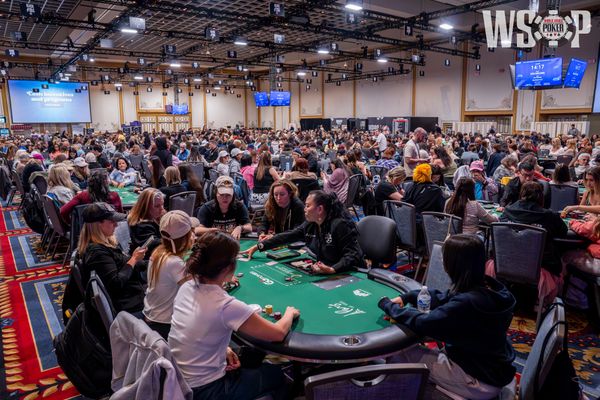
This summer’s World Series of Poker Main Event marked a watershed moment for women’s participation in tournament poker. With 431 female entrants, the championship event shattered previous records for women’s involvement in what many consider poker’s most prestigious tournament.
Yet context matters. Despite the celebratory headlines, women still comprised less than one in twenty players at the felt. The gap between progress and parity remains substantial, raising critical questions about how the poker ecosystem can accelerate growth rather than simply acknowledge incremental gains.
Behind these numbers lies a network of organizations, community leaders, and individual advocates who have spent years constructing the infrastructure necessary for sustainable growth. From kitchen table home games to structured online leagues offering Main Event seats, the pathways into competitive poker are being deliberately engineered by those who understand that representation requires more than wishful thinking.
The Poker Strategy Breakdown
The strategic approach to growing women’s participation in poker mirrors sound tournament strategy itself: it requires patience, proper bankroll management, and understanding that short-term variance doesn’t invalidate long-term edge.
Organizations like the Poker League of Nations (PLON) have adopted a multi-tiered approach that addresses the complete player development pipeline. Their model begins with low-stakes accessibility—home games and micro-stakes online leagues that remove financial barriers to entry. This creates volume at the base of the pyramid, essential for any sustainable growth model.
The second tier focuses on skill development through structured competition. Monthly leagues provide regular tournament experience without the intimidation factor of mixed-gender casino environments where women often find themselves dramatically outnumbered. This controlled environment allows players to develop technical competencies and emotional resilience simultaneously.
The third tier introduces meaningful opportunity through satellite structures and staking programs. PLON’s Founder’s Fund, for instance, bankrolls qualified players into the Main Event, effectively solving the buy-in barrier that prevents many skilled players from accessing elite competition. This creates proof-of-concept success stories that ripple back through the entire ecosystem.
Arkansas player Kim Francisco exemplifies this pathway’s effectiveness. After earning her Main Event entry through PLON’s online league, she converted the opportunity into a $25,000 cash. More importantly, she gained something intangible: the belief that she belonged at poker’s highest level. That psychological shift—from outsider to competitor—represents the true ROI of these programs.
Similarly, Christine Donnelly’s journey from “converting neighborhood moms from Bunco” to competing in her third consecutive Main Event illustrates how grassroots recruitment feeds the competitive pipeline. One of her recruits won the California Women’s Championship, demonstrating that today’s curious beginner becomes tomorrow’s tournament threat when given proper pathways and support.
Reading The Field & Table Dynamics
The psychology of belonging significantly impacts performance in tournament poker. When you’re one of fewer than five women at a ten-handed table—a common experience for female players in major events—the mental game becomes more complex than pure strategic execution.
Organizations like Pocket Queens, founded by Victoria Livschitz, address this dynamic by creating study environments where women can develop technical skills without the additional cognitive load of being the demographic minority. Community leader Nan Min describes their mission as building spaces “where women can study together, practice together, and help one another gain the confidence to compete at every level.”
This approach recognizes an often-overlooked aspect of tournament poker: confidence is a skill that requires practice just like hand reading or ICM calculations. When players consistently compete in environments where they feel like outsiders, that psychological overhead consumes mental resources that could otherwise be devoted to optimal decision-making.
The community aspect also addresses a critical retention problem in poker. Many women who try the game once or twice don’t continue, not because they lack interest or aptitude, but because they lack connection. Poker can be isolating, particularly in casino environments that skew heavily male. Creating communities of practice solves this retention problem by providing social infrastructure alongside competitive opportunity.
Canada’s Kim Kilroy experienced this firsthand after earning her Main Event seat through a PLON online league. Though her tournament ended early, she found lasting value in the connections she made: “I found real camaraderie among the women I met and made several new friends along the way. I’m already looking forward to earning another shot at next year’s Main Event.”
This retention effect multiplies over time. Players who feel connected to a community return to compete, improve their skills, recruit others, and eventually become mentors themselves. The infrastructure becomes self-sustaining rather than dependent on individual advocates.
How To Apply This To Your Game
Whether you’re an individual player, poker room operator, or community organizer, the lessons from women’s poker growth apply broadly to player development and ecosystem health.
For players seeking to improve: Find your community of practice. The technical aspects of poker can be learned from books, videos, and solvers, but the confidence to apply that knowledge under pressure develops through repeated exposure in supportive environments. Seek out regular home games, online leagues, or study groups where you can compete consistently against familiar opponents who are also committed to improvement.
For poker rooms and tournament organizers: Recognize that accessibility isn’t just about buy-in levels. The social environment, staff training, and visible representation all impact whether new demographics feel welcome. Consider hosting league finals, creating women’s events that feed into major tournaments, or partnering with established communities rather than trying to build from scratch.
For community builders: The most successful programs address the complete pipeline from discovery through elite competition. Don’t focus exclusively on either grassroots recruitment or high-level opportunity—both are necessary, and the connection between them is what creates sustainable growth. Document success stories and make them visible; representation matters because it expands what people believe is possible for themselves.
For staking and investment: The PLON Founder’s Fund model demonstrates how strategic bankrolling creates returns beyond immediate tournament results. When you stake a player into a major event, you’re not just investing in their potential cash—you’re creating a visible example that influences dozens of other players’ belief systems about what they can achieve. As PLON President Kim Lepa notes, “When we bankroll a woman into the Main Event, we’re not just investing in one player—we’re investing in everyone who watches her take that seat and realizes they can be there too.”
Key Takeaways
- The record 431 women in the 2026 WSOP Main Event resulted from years of deliberate infrastructure-building by community organizations, not organic growth alone
- Effective player development requires a complete pipeline: accessible entry points, skill development environments, and meaningful opportunities to compete at elite levels
- Community and belonging significantly impact both player retention and performance; isolation is a major barrier to sustained participation
- Satellite structures and staking programs solve the buy-in barrier while creating visible proof that elite competition is accessible
- Success stories multiply their impact by expanding what other players believe is possible for themselves
- Grassroots recruitment through home games and casual formats feeds the competitive pipeline when connected to structured development pathways
Frequently Asked Questions
Why does women’s participation in poker still lag despite growing interest?
Multiple barriers exist beyond simple interest: the $10,000 Main Event buy-in represents a significant financial obstacle, casino environments can feel unwelcoming when you’re consistently the only woman at the table, and many women lack visible role models or entry pathways into competitive poker. Organizations are addressing these through structured leagues, staking programs, and community-building that provides both skill development and social infrastructure.
How do poker leagues help players transition from recreational to competitive play?
Leagues provide regular tournament experience in controlled environments where players can develop technical skills and emotional resilience without the intimidation factor of major casino events. They also create qualification pathways through satellites and staking programs that make elite competition financially accessible. Perhaps most importantly, they build communities of practice where players support each other’s development rather than competing in isolation.
What impact do staking programs have beyond individual tournament results?
Strategic staking creates ripple effects throughout the player ecosystem. When someone receives backing into a major event, they become a visible example that expands what other players believe is possible for themselves. Even if they don’t cash, the experience of competing at poker’s highest level often transforms their self-concept from outsider to legitimate competitor—a psychological shift that influences their long-term trajectory in the game.
Final Thoughts
The 431 women who competed in this year’s WSOP Main Event represent more than a statistic—they’re the visible outcome of years of infrastructure development by people who understood that progress requires deliberate construction, not passive hope. Each player’s journey began somewhere different: a kitchen table home game, an online micro-stakes league, a conversation with a friend who saw potential they didn’t yet see in themselves.
The gap between 431 and parity remains substantial, but the pathways are now established. The challenge ahead isn’t discovering what works—it’s scaling what already does. Organizations that have proven their models now need resources to expand. Players who have benefited from these pathways can become mentors and recruiters themselves. Poker rooms and tournament organizers can partner with established communities rather than reinventing infrastructure from scratch.
Most importantly, every person who sits down in a major tournament after following one of these pathways becomes proof that the system works. They expand the collective belief about who belongs at poker’s biggest stages. And belief, more than any other factor, determines who ultimately takes their seat.
Ready to Sharpen Your Poker Game?
Master your poker game with expert hand analysis
