WSOP 2026 Nutrition Guide: Fuel Your Deep Run With Smart Eating
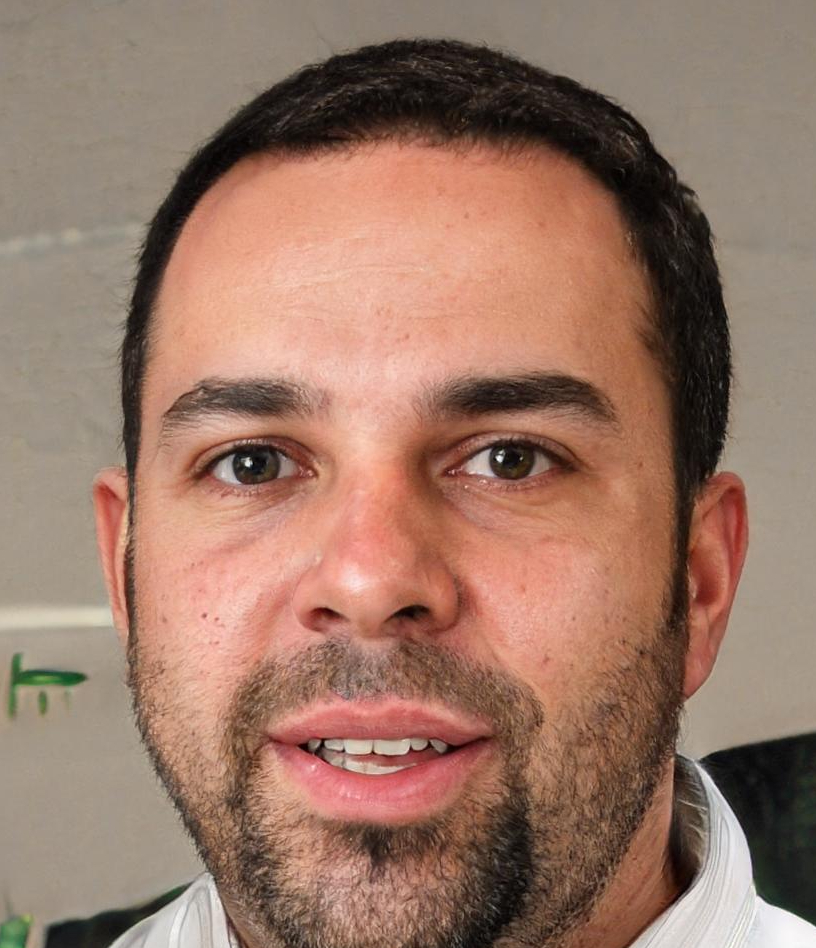
Your chip stack isn’t the only thing that needs proper management during a grueling WSOP grind. What you put in your body between levels can be the difference between sharp decision-making on Day 2 and punting off your stack in a foggy haze. Poker-playing fitness coach TJ Jurkiewicz has mapped out the ultimate nutrition strategy for players at the Horseshoe and Paris casinos.
What Happened
Tournament poker demands marathon-level endurance, yet most players treat their bodies like rental cars during the World Series of Poker. Between the fluorescent lights, recycled casino air, and the mental taxation of playing optimal poker for 10-12 hours straight, your nutrition choices become a critical edge that most opponents completely ignore.
Fitness coach and poker player TJ Jurkiewicz recognized this gap and created a comprehensive dining guide specifically for WSOP grinders. His free resource breaks down every viable food option within reasonable walking distance of the tournament venue, with a laser focus on meals that support cognitive function rather than induce the dreaded food coma.
The guide addresses a real problem: when you’ve got 20 minutes during a dinner break, you’re not thinking about macronutrient balance or glycemic index. You’re thinking about whatever’s closest and fastest. This reactive approach leads to poor choices that compound over days and weeks of tournament play, degrading your performance when it matters most.
The Poker Strategy Breakdown
Think of nutrition during a poker tournament the same way you think about bankroll management—it’s about sustainability over the long haul. A single bad meal won’t destroy your edge, just like one poorly played hand won’t bust you. But systematic poor choices create a cumulative disadvantage that’s nearly impossible to overcome.
The Horseshoe casino floor offers multiple quick-service options, but they’re designed for tourists looking to maximize pleasure, not poker players optimizing for mental clarity. At Subway in the food court, the play is loading up on vegetables while avoiding the calorie-dense sauces that provide zero nutritional benefit. Double meat instead of double cheese gives you sustained energy from protein rather than a blood sugar spike followed by a crash.
Johnny Rockets presents a minefield of temptation with milkshakes and loaded burgers, but the grilled chicken club salad (hold the dressing) or a single chicken burger on wheat bread provides lean protein and complex carbs. The key is recognizing that you’re not there for the Johnny Rockets experience—you’re there for fuel that won’t sabotage your next three levels.
Jack Binion’s Steak offers a more upscale option right off the casino floor. The wedge salad, salmon with jasmine rice, or petite filet with asparagus all deliver quality protein and nutrients without the massive portion sizes that leave you sluggish. Steakhouses traditionally serve massive cuts designed for celebration dinners, not mid-tournament refueling. Ordering strategically means choosing smaller portions of high-quality protein.
Guy Fieri’s Flavortown Sports Kitchen is impossible to miss, and its late hours make it tempting when you’re bagging chips at midnight. The portions are enormous, which works against you when you need to sleep well and wake up sharp. Grilled chicken in sandwich or salad form gives you what you need without the excess. Those trash can nachos might look amazing, but they’re a strategic disaster for anyone playing poker the next day.
Over at Paris Las Vegas, Café Americano serves breakfast options that can set the tone for your entire day. An omelet loaded with vegetables, avocado toast, or a blueberry granola bowl provides sustained energy without the sugar crash of pastries. For lunch, their quinoa bowls with chicken, shrimp, or salmon offer complete nutrition in a format that won’t weigh you down during the afternoon levels.
Mon Ami Gabi deserves special attention for its salad selection—arugula, Roquefort, salmon, spinach, and baby kale options all provide different nutrient profiles. The seared salmon, trout almondine, and roast chicken entrees deliver quality protein with French preparation techniques that make healthy eating actually enjoyable rather than a chore.
Reading The Field & Table Dynamics
Here’s what most players miss: your opponents are making terrible nutrition choices, and it’s costing them chips. Walk through any casino food court during a dinner break and observe what tournament players are eating. Pizza, burgers, fried everything, washed down with energy drinks and coffee loaded with sugar.
This creates a tangible edge for players who eat strategically. While your opponents are fighting through brain fog and energy crashes during crucial late-night levels, you’re operating at full capacity. This advantage compounds in multi-day events where cumulative poor choices leave players increasingly impaired.
The tournament structure itself demands different nutritional strategies at different stages. During Day 1 when you’re fresh, you can handle slightly heavier meals. But by Day 3 or 4 of a Main Event, when mental fatigue is already a factor, every nutritional choice becomes magnified. That’s when the discipline to choose salmon and vegetables over pasta and bread really pays dividends.
Pay attention to table dynamics after dinner breaks. Notice which players seem sharper and which seem to be fighting off sleep. The player who crushed a massive plate of pasta and breadsticks is now making marginal calls and missing opportunities. Meanwhile, you’re picking up on subtle tells and making optimal decisions because your brain has the fuel it needs.
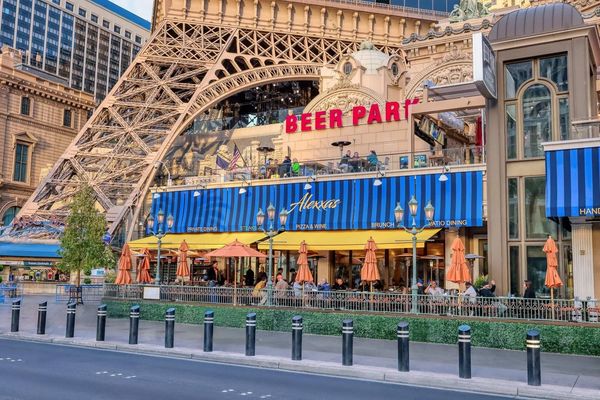
Beer Park at Paris offers another test of discipline. Yes, there’s beer everywhere, and yes, some players swear by having a drink or two to stay loose. But alcohol impairs decision-making, period. The Asian chicken salad or Southwest chicken salad provides what you actually need, even if it’s not what you want in the moment.
How To Apply This To Your Game
Start by downloading TJ Jurkiewicz’s complete guide before you even arrive in Las Vegas. Study it like you’d study a strategy article. Know exactly where you’re going to eat and what you’re going to order before you’re hungry and pressed for time. Decision fatigue is real, and you don’t want to waste mental energy figuring out meals when you should be reviewing hands.
Create a meal plan for your entire tournament schedule. If you’re playing the Main Event, map out breakfast, lunch, and dinner options for each day. This removes the decision-making burden and ensures you’re not defaulting to whatever’s convenient when you’re exhausted.
Focus on protein and vegetables as your foundation. Grilled chicken, salmon, turkey, and lean beef provide sustained energy. Vegetables add nutrients and fiber without excess calories. Complex carbs like quinoa, brown rice, and wheat bread are fine in moderation, but they shouldn’t dominate your plate.
Avoid the big three killers: excessive sugar, heavy sauces, and massive portions. Sugar creates energy spikes and crashes that wreck your decision-making. Heavy sauces add empty calories that make you sluggish. Massive portions force your body to divert energy to digestion when you need that energy for poker.
Time your meals strategically. Eat a substantial breakfast to fuel your morning levels. Have a lighter lunch to avoid the afternoon crash. Your dinner break meal should be satisfying but not heavy—you’ve still got evening levels to navigate. If you’re playing late, keep healthy snacks available rather than hitting the food court at midnight.
Gordon Ramsay Steak and The Bedford by Martha Stewart represent higher-end options that can double as mental reset opportunities. Sometimes stepping away from the poker environment entirely, even for 30 minutes, provides psychological benefits that complement the nutritional ones. The Pacific salmon or French-inspired chicken at these venues offers quality nutrition in a setting that helps you decompress.
Alexxa’s at the base of the Eiffel Tower takes this concept further. The outdoor patio with views of the Bellagio fountains creates a complete mental break. The grilled salmon, Caesar salad, or flat-iron steak provides proper nutrition while the environment helps reset your focus. This matters more on Day 3 or 4 when mental fatigue is accumulating.
Key Takeaways
- Nutrition is a legitimate edge in tournament poker that most opponents completely ignore, creating compound advantages over multi-day events
- Plan your meals before arriving in Las Vegas to eliminate decision fatigue and ensure consistent healthy choices throughout your tournament schedule
- Prioritize lean protein and vegetables while avoiding excessive sugar, heavy sauces, and oversized portions that impair cognitive function
- Use higher-end restaurants like Mon Ami Gabi or Alexxa’s strategically for mental reset breaks, not just nutrition
- Observe opponent behavior after dinner breaks to identify players making poor nutritional choices that affect their play
- Download TJ Jurkiewicz’s free comprehensive guide for complete details on every dining option within walking distance of the WSOP venue
Frequently Asked Questions
How much time do I actually have during WSOP dinner breaks?
Standard WSOP dinner breaks are 60 minutes, though this can vary by event. Factor in 10-15 minutes of walking and waiting time, which means you realistically have 30-40 minutes to eat. This makes planning crucial—you can’t afford to wander around deciding where to go. Know your destination and order before you arrive.
Is it worth spending more money on higher-quality restaurants during tournaments?
Absolutely, especially in multi-day events. The difference between a $15 food court meal and a $40 restaurant meal is negligible compared to your tournament buy-in and potential prize pool. If better food gives you even a 1% edge in decision-making quality, it’s massively +EV. Think of it as investing in your performance, not just buying dinner.
Can I really gain an edge just from eating better than my opponents?
Yes, though it’s not a magic bullet. Proper nutrition won’t turn a losing player into a winner, but it can absolutely be the difference between a deep run and a Day 2 bust for players of similar skill levels. Over a full WSOP series, the cumulative effect of consistent healthy eating versus consistent poor choices creates a measurable performance gap. Your brain is an organ that requires proper fuel to function optimally, and poker is a cognitively demanding game.
Final Thoughts
The WSOP represents poker’s ultimate test of endurance, skill, and mental fortitude. While everyone focuses on studying ranges, ICM implications, and population tendencies, the players who consistently perform at the highest levels understand that peak performance requires more than just poker knowledge. Your body and brain need proper fuel to execute the strategies you’ve studied.
TJ Jurkiewicz’s nutrition guide addresses a blind spot that costs players real money every summer in Las Vegas. The information is freely available, yet most players will ignore it, continuing to make the same poor nutritional choices that undermine their performance. That’s your opportunity. While they’re fighting through brain fog and energy crashes, you’ll be operating at full capacity, picking up the chips they’re spewing because they’re too impaired to play their A-game.
The best part? This edge requires zero poker skill to implement. You don’t need to master solver outputs or memorize complex decision trees. You just need to make better choices about what you eat. Download the complete guide, study your options, create your meal plan, and execute it with the same discipline you bring to your poker strategy. Your future deep runs will thank you.
Ready to Sharpen Your Poker Game?
Master your poker game with expert hand analysis