WSOPE Main Event Day 4: Survival, Swings & Strategic Lessons
Day 4 of the 2026 WSOPE Main Event delivered a masterclass in tournament survival as 85 hopefuls battled down to just 25 players, each eyeing the €2 million top prize. Annette Obrestad’s late elimination highlighted the brutal reality of deep-stack poker, while chip leader swings demonstrated why patience and aggression must coexist in high-stakes tournament play.
What Happened
The fourth day of the World Series of Poker Europe Main Event began with 85 players returning to the felt, each armed with dreams of bracelet glory and a seven-figure payday. Among the notable names still in contention were Chris ‘Big Huni’ Hunichen (4.1M, 5th in chips), Shiina Okamoto (3.1M, 15th), Josh Arieh (2.4M, 20th), Steven Jones (1.7M, 34th), and short-stacked Annette Obrestad (1M, 65th).
The day’s action unfolded across six grueling 90-minute levels, with drama arriving early and often. Arieh suffered a devastating river beat when his pocket aces ran into Sondre Stormyr’s queens—only to watch a third queen spike on the river, costing him what would have been a chip-leading stack of 6 million. Instead, he dropped to 2.6 million and faced an uphill climb.
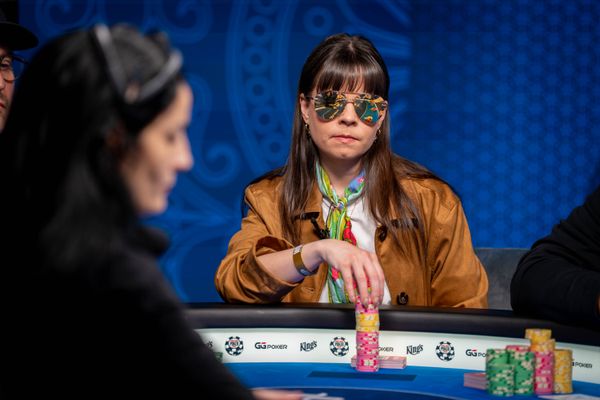
Obrestad experienced the definition of a tournament rollercoaster. After falling to just 12 big blinds, she found pocket kings in the small blind and flopped a set against Giovanni Zanette’s flush draw. Despite Zanette completing his flush on the turn, Obrestad held the higher flush draw and rivered the winning hand to stay alive. She later doubled through Safwane Bahri with ace-king versus ace-queen to reach 29 big blinds.
The women dominated Level 24, with Okamoto climbing from 3.8M to 5.5M to crack the top six. But tournament poker giveth and taketh away. By Level 25, Arieh’s tournament ended after he first doubled Obrestad when she woke up with pocket queens against his small blind shove, then busted shortly after with king-jack versus ace-king.
Big Huni found his own double-up in Level 26 when his aces held against Marc-David Delimal’s queens, vaulting him to 6.2 million. However, he couldn’t solve chip leader Hengtao Zhu, who forced a river fold from Hunichen and earned the compliment: “You’re too f***ing good.”
The final level proved fatal for both remaining women. Okamoto and Obrestad both fell in quick succession during Level 27, leaving just 25 players to bag chips for Day 5. Zhu maintained his chip lead with over 12.5 million, while Hunichen (5.8M, 7th), Jones (5.1M, 9th), and the remaining contenders prepared for the final push toward the final table.
The Poker Strategy Breakdown
Several hands from Day 4 offer critical strategic insights for tournament players at all levels. Let’s dissect the key decisions and what they reveal about optimal play in deep-stacked tournament scenarios.
Obrestad’s pocket kings hand demonstrates the value of deceptive play with premium hands in specific situations. By limping from the small blind after the table folded to her, she disguised her hand strength and induced action from Zanette’s flush draw. This play works particularly well when short-stacked—her 16 big blinds at the time meant she needed to extract maximum value when she finally found a premium holding.
The mathematics of her situation on the turn are fascinating. Facing a completed flush with her set and higher flush draw, she held approximately 34% equity with one card to come. With pot odds of roughly 3.6-to-1 (calling 100K into a pot of around 460K), she needed just 22% equity to make the call profitable. Her decision to call was mathematically sound, even though she was currently behind.
Arieh’s aces-versus-queens disaster illustrates the cruel variance of tournament poker. Getting aces cracked by a two-outer on the river is simply part of the game—there’s no strategic lesson beyond accepting that bad beats happen and emotional control matters. His composed reaction to the beat demonstrates the mental fortitude required for tournament success. Tilting after such a hand often leads to compounding mistakes.
The subsequent hand where Arieh shoved from the small blind into Obrestad’s big blind reveals a common late-tournament dynamic. With a diminished stack, Arieh correctly identified stealing opportunities, but running into a genuine hand (pocket queens) is an unavoidable risk of the push-fold game. His range should include this shove with many holdings, but sometimes you simply run into the top of your opponent’s calling range.
Big Huni’s river fold against Zhu showcases high-level hand reading and ego management. After tanking on a board reading with significant action, Hunichen found the discipline to fold despite the pot size. His acknowledgment of Zhu’s superior play in that moment—”You’re too f***ing good”—shows he wasn’t married to his hand and could objectively assess the situation. This ability to give credit where due and make disciplined folds separates elite players from good ones.
Reading The Field & Table Dynamics
Day 4 represented a critical juncture in tournament structure where ICM (Independent Chip Model) considerations begin heavily influencing decisions, but players still have enough stack depth for creative play. With 85 players starting the day and 25 bagging for Day 5, the money bubble was long past, but significant pay jumps loomed on the horizon.
The tournament directors’ decision to create a “box office table” featuring Obrestad and Okamoto recognized the marketing value of high-profile matchups, but the table broke before the two could clash. This highlights how tournament logistics sometimes prevent the dream scenarios fans want to see. For players, table draw remains a crucial element of tournament luck—drawing a table with multiple aggressive big stacks versus one with tight, risk-averse players dramatically affects optimal strategy.
Stack sizes at this stage created distinct strategic tiers. Players like Zhu with 12.5 million (over 200 big blinds at Level 25) could apply maximum pressure and see more flops, while short stacks like Obrestad faced push-fold scenarios. The middle stacks—players with 40-80 big blinds—occupied the most complex strategic space, with enough chips to maneuver but not enough to comfortably call off their tournament life without premium holdings.
The rapid eliminations in Level 27 demonstrate how quickly tournament dynamics shift as blinds escalate. Players who seemed comfortable one level earlier suddenly face urgent decisions as their M-ratios (stack size relative to blinds and antes) deteriorate. This creates a cascade effect where multiple players simultaneously recognize they must make moves, leading to clusters of eliminations.
Observing how elite players like Hunichen navigate interactions with chip leaders offers valuable lessons. Rather than ego-battling Zhu for marginal edges, Big Huni made disciplined folds and waited for better spots to accumulate chips. This selective aggression—picking battles carefully rather than engaging in every confrontation—is essential for tournament survival.
How To Apply This To Your Game
The strategic concepts from WSOPE Day 4 translate directly to tournaments at every buy-in level. Here’s how to implement these lessons in your own play:
Embrace calculated risks with draws. Obrestad’s turn call with a set and flush draw demonstrates the importance of understanding your equity even when behind. Use equity calculators during study sessions to internalize how often various drawing hands improve. When facing bets in tournaments, quickly estimate your pot odds and compare them to your approximate equity. If you’re getting the right price, call even when you suspect you’re currently behind.
Develop emotional resilience for bad beats. Arieh’s composed reaction to his aces getting cracked is a skill you can actively develop. After suffering a brutal beat, take a brief walk, practice breathing exercises, or use the next break to reset mentally. Review your hand history later when emotions have cooled to confirm you played correctly. Remember that tournament poker rewards long-term correct decisions, not short-term results.
Adjust your strategy based on stack depth. With 15-25 big blinds, shift toward a push-fold strategy with premium and strong hands. Between 25-50 big blinds, you can still make small raises and see flops, but avoid marginal spots that risk your tournament life. Above 50 big blinds, utilize your full range of poker skills—bluffing, floating, and creative plays become viable again. Recognize which zone you’re in and adjust accordingly.
Practice disciplined folds against strong opponents. Like Hunichen’s fold against Zhu, identify when you’re facing a player who has demonstrated superior hand reading or aggression. There’s no shame in avoiding marginal confrontations with the table’s best player or biggest stack. Find easier spots against less skilled opponents or players with medium stacks who can’t afford to gamble.
Vary your preflop strategy with premium hands. While raising is standard with hands like pocket kings, Obrestad’s limp-call approach worked because it was unexpected and she was short-stacked. Occasionally mix in limps with strong hands from the small blind or early position to balance your range and induce action. Don’t make this your default, but use it selectively to keep observant opponents guessing.
Key Takeaways
- Stack preservation matters, but so does accumulation. Players who survived Day 4 balanced risk and reward, finding spots to grow their stacks without unnecessary gambles.
- Equity calculations justify aggressive calls. Obrestad’s turn call with 34% equity demonstrates that being “behind” doesn’t mean folding when pot odds are favorable.
- Emotional control separates good players from great ones. Arieh’s composed response to a devastating river beat allowed him to continue playing optimally rather than tilting off his remaining chips immediately.
- Table dynamics shift rapidly in tournaments. What works in one level may be suicide in the next as blinds increase and stack-to-blind ratios deteriorate.
- Selective aggression beats constant confrontation. Big Huni’s willingness to fold against the chip leader while finding double-ups elsewhere shows the value of choosing your battles.
- Women continue making deep runs in major events. Both Okamoto and Obrestad demonstrated the skill to compete at poker’s highest levels, with Okamoto reaching the top six in chips before her elimination.
Frequently Asked Questions
What is the optimal strategy when short-stacked in a major tournament?
With 15-25 big blinds, shift to a push-fold strategy, looking for spots to move all-in with premium hands, strong aces, pocket pairs, and suited connectors from late position. Avoid calling raises unless you have a hand strong enough to re-raise all-in. Focus on fold equity—your ability to win the pot without showdown—by targeting opponents who can fold. When below 10 big blinds, widen your shoving range significantly and look for any reasonable spot to get chips in the middle before your stack becomes critically short.
How do you calculate pot odds quickly during a hand?
Divide the amount you need to call by the total pot size after your call. For example, if you need to call 100K into a pot that will be 460K after your call, you need approximately 22% equity (100K/460K). Compare this to your estimated equity against your opponent’s range. If your equity exceeds the percentage required by pot odds, calling is profitable long-term. Practice this calculation during study sessions until it becomes second nature at the table.
When should you limp instead of raise with premium hands?
Limping with premium hands works best in specific situations: from the small blind when the table has folded to you and you’re short-stacked (to induce the big blind to check behind or make a small raise), at passive tables where limping will see cheap flops with multiple players, or occasionally from early position at aggressive tables where limping invites raises you can re-raise. However, raising should remain your default strategy with premium hands 80-90% of the time to build pots and take control of the hand.
Final Thoughts
Day 4 of the 2026 WSOPE Main Event delivered exactly the kind of high-stakes drama that makes tournament poker compelling. From Arieh’s agonizing river beat to Obrestad’s rollercoaster survival and eventual elimination, the day showcased both the skill and variance inherent in no-limit hold’em tournaments. The players who bagged chips for Day 5 didn’t simply run well—they made disciplined decisions, managed their emotions through adversity, and recognized when to apply pressure versus when to preserve their tournament lives.
For aspiring tournament players, these hands offer a masterclass in deep-stack play. The ability to calculate equity under pressure, maintain emotional control after devastating beats, and adjust strategy based on stack depth separates recreational players from professionals. Study these concepts, practice them in your own games, and you’ll find yourself making deeper runs in tournaments.
As the WSOPE Main Event moves toward its final table, the remaining 25 players face increasingly difficult decisions with life-changing money on the line. The strategies that worked on Day 4 will need further refinement as pay jumps become more significant and ICM pressure intensifies. But the fundamentals remain constant: solid hand selection, accurate equity assessment, emotional discipline, and strategic flexibility.
Ready to Sharpen Your Poker Game?
Master your poker game with expert hand analysis