79-Year-Old Rookie Proves Age Is Just a Number at WSOP Main
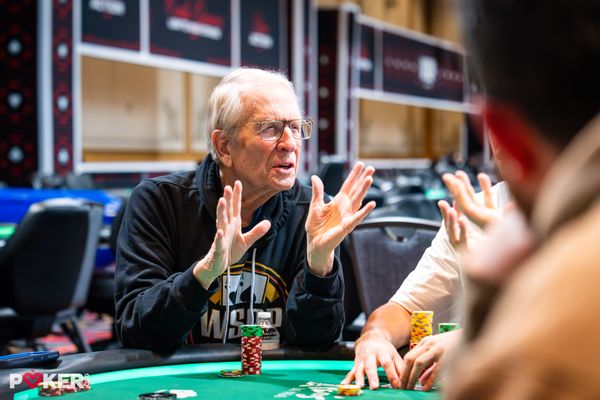
Gene Teibloom walked into his first-ever World Series of Poker Main Event at 79 years old with one simple wish: please don’t seat me with Phil Hellmuth. Fate had other plans. Not only did the La Jolla retiree find himself sharing felt with poker’s most notorious complainer, but he also outlasted the 17-time bracelet winner to cash for $20,000 while ‘The Brat’ busted before the money.
What Happened
Eugene Teibloom’s maiden voyage into the WSOP Main Event began with trepidation. After years of grinding Seniors tournaments and daily events at Oceans Eleven Casino in Oceanside, California, the 79-year-old decided to take his shot at poker’s most prestigious tournament. His pre-tournament anxiety centered around one specific concern: avoiding a table assignment with Phil Hellmuth.
The poker gods have a twisted sense of humor. When Teibloom located his Day 1 seat among the 9,208-player field, there sat Hellmuth—complete with his signature theatrical entrance, dystopian superhero costume, and entourage of paid models. As Teibloom struggled to concentrate on an early hand amid the commotion, he turned to the 17-time bracelet winner with grandfatherly directness: “Phil, I hope you behave.”
What unfolded over the subsequent days defied expectations. Hellmuth, contrary to his ‘Poker Brat’ reputation, acted as the consummate gentleman. He recorded a birthday video for Teibloom’s daughter and maintained exemplary table decorum throughout their time together. Meanwhile, the former broadcast journalist earned the nickname “Mean Gene” from commentators when action moved to the televised feature table.
The ultimate plot twist arrived on Day 3. Hellmuth, who has made 64 WSOP Main Event cashes in his career, busted before reaching the money bubble. Teibloom sailed through, securing a minimum $20,000 payday and continuing his improbable run deep into the tournament. More than 90% of the field had been eliminated, yet the first-time Main Event player remained standing.
The Poker Strategy Breakdown
Teibloom’s success illustrates several fundamental tournament poker principles that often get overshadowed by the glamour of big bluffs and hero calls. First-time Main Event participants face enormous psychological pressure—the buy-in represents a significant investment, the field size is overwhelming, and the presence of poker celebrities can be intimidating. Teibloom’s ability to maintain composure despite his initial anxiety about Hellmuth demonstrates the importance of emotional regulation in tournament poker.
His experience grinding Seniors events and daily tournaments provided crucial preparation. These smaller-stakes competitions develop the stamina required for multi-day events and teach players to navigate different stack sizes relative to blinds. The skills transfer directly: hand selection discipline, position awareness, and understanding when to accumulate chips versus when to preserve your stack.
The contrast between Hellmuth’s elimination and Teibloom’s survival offers instructive lessons. Hellmuth’s aggressive style and willingness to gamble has produced incredible results over his career, including nine Main Event cashes for over $2 million. However, this approach creates variance—spectacular wins alongside bubble exits. Teibloom’s more conservative approach, typical of experienced Seniors players, emphasizes survival and chip preservation. In a tournament where only 15% of the field reaches the money, this patient strategy proved superior.
Teibloom’s background in broadcast journalism may have provided unexpected advantages. Journalists develop keen observational skills and the ability to read people—talents that translate directly to poker. His career interviewing difficult personalities, including a pre-political Donald Trump, equipped him with the thick skin necessary to handle table talk and maintain focus under pressure. These soft skills often matter more than pure technical ability, especially in the Main Event’s early stages where survival trumps optimization.
Reading The Field & Table Dynamics
The WSOP Main Event presents unique table dynamics that differ dramatically from typical tournament poker. With 9,208 entries, the field composition ranges from world-class professionals to complete amateurs taking their annual shot at glory. Understanding where you fit within this spectrum and adjusting your strategy accordingly determines success.
Teibloom’s table draw with Hellmuth created an interesting dynamic. Professional players often exploit weaker opponents aggressively, but Hellmuth’s celebrity status and theatrical personality can actually work against him. His presence draws attention, creates distractions, and sometimes causes opponents to play differently—either too tight from intimidation or too loose trying to bust the famous pro. Teibloom’s direct “I hope you behave” comment established that he wouldn’t be intimidated, immediately claiming psychological ground.
The televised feature table appearance represents a crucial inflection point. When action moves to the featured arena with commentators and cameras, recreational players often tighten up dramatically, worried about looking foolish on camera. Teibloom apparently avoided this trap, maintaining his steady approach while earning the “Mean Gene” moniker—suggesting he remained aggressive enough to command respect.
ICM (Independent Chip Model) considerations become paramount as the money bubble approaches. With 15% of the field reaching the money, Day 3 bubble dynamics create intense pressure. Short stacks desperately try to survive, while big stacks can apply maximum pressure. Hellmuth’s bust-out before the money suggests he either got unlucky or made marginal decisions trying to accumulate chips rather than lock up a cash. Teibloom’s survival indicates he understood the shifting risk-reward calculations and adjusted appropriately.
Age demographics in the Main Event skew younger, but experienced older players bring distinct advantages. They’ve typically seen more hands over their lifetime, possess better emotional control, and care less about impressing tablemates with fancy plays. Teibloom’s Seniors event experience meant he was comfortable playing against his age cohort, while younger opponents might underestimate the 79-year-old’s capabilities—a profitable dynamic to exploit.
How To Apply This To Your Game
The first lesson from Teibloom’s run is the importance of preparation through volume. Before attempting the Main Event, he built his tournament foundation through Seniors events and daily tournaments. If you’re planning a Main Event run, invest months grinding smaller buy-in multi-day tournaments. Practice navigating different stack depths, managing fatigue over long sessions, and adjusting to changing table dynamics as fields shrink.
Emotional preparation matters as much as technical skill. Teibloom entered with anxiety about his table draw but quickly adapted when his fear materialized. Develop mental frameworks for handling worst-case scenarios. Visualize yourself at a table with aggressive professionals or loud personalities. Plan how you’ll maintain focus and execute your strategy regardless of external distractions. This mental rehearsal builds resilience when challenging situations arise.
Don’t let celebrity players or intimidating opponents alter your fundamental strategy. Teibloom’s direct communication with Hellmuth—”I hope you behave”—established boundaries and demonstrated confidence. When facing accomplished opponents, remember that everyone plays the same cards with the same rules. Respect their skill but don’t grant them unearned psychological edges through intimidation.
Prioritize survival over accumulation in the Main Event’s early stages. With such a massive field, the primary goal for Days 1-2 is simply reaching Day 3 with a playable stack. Avoid marginal spots where you risk elimination. Teibloom’s conservative approach, honed through Seniors events, proved ideal for navigating the minefield of 9,000+ opponents. Save your creative plays and aggressive moves for later stages when the field has thinned.
Understand how bubble dynamics shift optimal strategy. As the money approaches, short stacks become desperate while medium stacks face difficult decisions about risk tolerance. If you’re comfortable with your stack as the bubble nears, tighten up and let others eliminate each other. Locking up a cash—even a min-cash—validates your tournament and provides a platform for deeper runs. Hellmuth’s pre-bubble elimination versus Teibloom’s cash demonstrates this principle perfectly.
Finally, leverage life experience as a poker asset. Teibloom’s journalism career taught him to read people, handle difficult personalities, and maintain composure under pressure. Whatever your professional background, identify transferable skills. Lawyers understand argumentation and logic. Teachers read body language and manage diverse personalities. Engineers think systematically about complex problems. Your unique experiences provide advantages—recognize and deploy them.
Key Takeaways
- Volume builds tournament skill: Teibloom’s Seniors event and daily tournament experience provided the foundation for his Main Event success, proving that consistent practice at lower stakes prepares you for bigger stages.
- Emotional control trumps technical perfection: Managing anxiety about table draws, maintaining focus amid distractions, and avoiding tilt matter more than knowing optimal GTO strategies in massive-field tournaments.
- Conservative play has merit in the Main Event: Survival-focused strategies that emphasize chip preservation over accumulation can outperform aggressive approaches when fields are enormous and variance is high.
- Don’t let opponents intimidate you: Teibloom’s direct communication with Hellmuth established psychological equality—respect skilled opponents but don’t grant them unearned edges through intimidation.
- Bubble dynamics require strategic shifts: Understanding when to tighten up and let others eliminate each other versus when to apply pressure separates cashes from bubble exits.
- Life experience translates to poker advantage: Skills from professional careers—reading people, handling pressure, managing difficult personalities—provide edges that pure technical study cannot replicate.
Frequently Asked Questions
How should recreational players approach their first WSOP Main Event?
Focus on preparation through volume at smaller stakes first. Spend months playing multi-day tournaments to build stamina and experience navigating different stack depths. Prioritize survival over chip accumulation in early stages—simply reaching Day 3 with a playable stack is a significant achievement. Study bubble dynamics and ICM to understand how strategy shifts as the money approaches. Finally, manage expectations and enjoy the experience; the Main Event is poker’s most prestigious tournament, and simply participating is memorable regardless of results.
What advantages do older players have in tournament poker?
Experienced older players typically possess superior emotional control developed over decades of life experience. They’ve seen more hands over their lifetimes, providing pattern recognition advantages. Older players generally care less about impressing tablemates with fancy plays, leading to more fundamentally sound decisions. They often have better bankroll management and risk assessment skills from managing finances over long careers. Additionally, younger opponents sometimes underestimate older players, creating profitable exploitation opportunities when the senior player is actually quite skilled.
How did Phil Hellmuth bust before the money while a first-timer cashed?
Tournament poker involves significant variance, and even the world’s best players experience early exits. Hellmuth’s aggressive style creates higher variance—his willingness to gamble produces both spectacular wins and earlier-than-expected eliminations. Teibloom’s more conservative approach, typical of experienced Seniors players, emphasizes survival and chip preservation. In any single tournament, the patient strategy can outperform the aggressive approach, especially in massive fields where only 15% cash. Hellmuth’s 64 career Main Event cashes prove his long-term success, but variance impacts individual tournaments regardless of skill level.
Final Thoughts
Gene Teibloom’s improbable run from anxious first-timer to Main Event cash represents everything compelling about tournament poker. The game’s democratic structure allows a 79-year-old retiree to compete directly against 17-time bracelet winners, with skill, preparation, and a bit of luck determining outcomes rather than pedigree or reputation. His story reminds us that poker rewards patience, emotional control, and strategic discipline as much as technical mastery.
The transformation of Hellmuth from feared opponent to respectful tablemate adds a humanizing dimension often missing from poker coverage. Hellmuth’s ‘Poker Brat’ persona generates headlines and entertainment, but his graciousness toward Teibloom—recording birthday videos and maintaining exemplary behavior—reveals the person behind the character. This dynamic illustrates how preconceptions about opponents, whether based on reputation or appearance, often mislead us. Approach each table with an open mind, gather information through observation rather than assumption, and adjust strategies based on actual behavior rather than stereotypes.
For aspiring Main Event participants, Teibloom’s journey offers a roadmap. Build your foundation through volume at appropriate stakes. Develop emotional resilience to handle the pressure, distractions, and variance inherent in massive-field tournaments. Study not just technical strategy but also bubble dynamics, ICM, and table psychology. Most importantly, remember that poker skill develops over time—your professional experiences, life lessons, and accumulated wisdom all translate into edges at the table. Age isn’t a disadvantage; it’s an asset when combined with proper preparation and strategic discipline.
Ready to Sharpen Your Poker Game?
Master your poker game with expert hand analysis