Essential Poker Strategy: Master the Mental Game in 2025
Winning poker isn’t about the cards you’re dealt—it’s about how you play them. The difference between break-even players and consistent winners lies in strategic thinking, disciplined execution, and understanding the psychological warfare at every table. Master these fundamentals, and you’ll transform your results.
What Happened
Poker strategy has evolved dramatically over the past decade, moving from gut-feel decisions to data-driven analysis backed by solver technology and game theory optimal (GTO) play. Today’s winning players combine mathematical precision with exploitative adjustments, reading opponents while protecting themselves from being read.
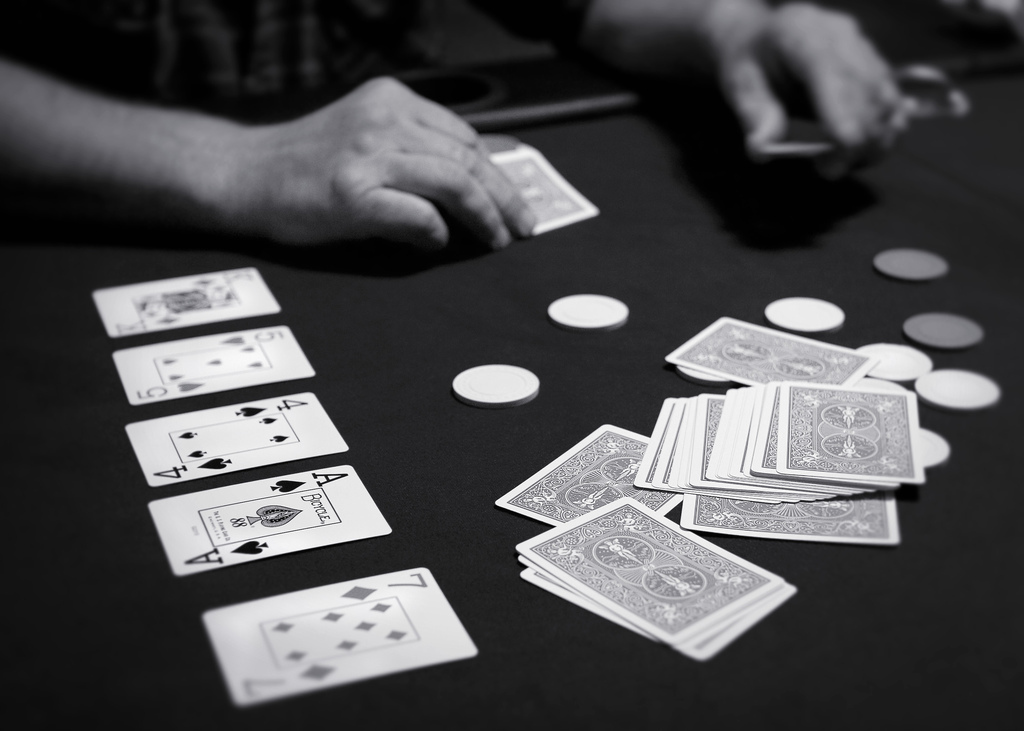
The modern poker landscape demands a multi-layered approach. You need solid preflop ranges, post-flop aggression at the right frequencies, and the mental fortitude to execute your strategy under pressure. Tournament players face additional complexities with changing stack depths and ICM considerations, while cash game specialists must adapt to different player pools and stake levels.
What separates recreational players from professionals isn’t access to information—it’s the systematic application of strategy combined with emotional control. Every decision at the poker table should be intentional, from your opening raise size to your river bluff frequency. Random play gets random results; strategic play generates consistent profits.
The Poker Strategy Breakdown
Building a winning poker strategy starts with your preflop game. Your opening ranges should vary by position, with tighter selections from early position and wider ranges from the button and cutoff. A common mistake among developing players is playing too many hands from early position and not enough from late position, leaving money on the table.
Position is the single most important strategic concept in poker. Acting last gives you information advantages on every street, allowing you to control pot size, extract value more effectively, and bluff more profitably. Your button should be your most profitable position—if it isn’t, you’re not exploiting positional advantage sufficiently.
Post-flop strategy revolves around understanding board textures and how they interact with ranges. On coordinated boards like 9-8-7 with two hearts, both players’ ranges connect frequently, leading to higher variance and more aggressive play. On dry boards like K-7-2 rainbow, the preflop aggressor typically has a significant range advantage and should bet frequently.
Bet sizing is where many players leak chips unconsciously. Your value bets should be sized to extract maximum value from worse hands that will call, while your bluffs should be sized to make opponents indifferent or force folds from better hands. Polarized ranges on the river typically warrant larger bets (66-100% pot), while merged ranges benefit from smaller sizing (33-50% pot).
The continuation bet (c-bet) remains a cornerstone of modern strategy, but indiscriminate c-betting is a relic of poker’s past. Today’s approach involves selective aggression based on range advantage, nut advantage, and opponent tendencies. On some boards, checking your entire range—even as the preflop raiser—becomes the optimal strategy.
Bluffing frequency matters more than individual bluff selection. Game theory suggests bluffing at a rate that makes opponents indifferent to calling with bluff-catchers. In practice, this means bluffing roughly one-third of pot-sized bets and adjusting based on opponent tendencies. Against calling stations, bluff less and value bet thinner. Against nits, increase bluff frequency and reduce thin value bets.
Reading The Field & Table Dynamics
Table dynamics shift constantly, and adaptable players exploit these changes while rigid players get exploited. When a table plays tight and passive, increase your stealing frequency and reduce your calling ranges. When the table turns aggressive, tighten up and let opponents battle while you wait for premium holdings.
Player profiling accelerates your learning curve at any table. Categorize opponents quickly: tight-passive players (rocks), loose-passive players (calling stations), tight-aggressive players (TAGs), and loose-aggressive players (LAGs). Each player type has exploitable tendencies. Rocks fold too much—bluff them. Calling stations don’t fold enough—value bet them relentlessly.
Stack sizes fundamentally alter optimal strategy. With 100+ big blind stacks, implied odds justify calling with speculative hands like suited connectors and small pairs. As stacks shrink below 40 big blinds, these hands lose value while big cards and high pairs gain importance. Short-stacked play (15-20 big blinds) becomes push-fold dominant, where mathematical models replace complex post-flop decisions.
In tournament poker, Independent Chip Model (ICM) considerations override chip EV in many situations. Near the money bubble, accumulating chips has diminishing returns while losing chips carries amplified penalties. This creates fold equity opportunities for aggressive players and requires tighter ranges from medium stacks protecting their tournament life.
Pay attention to timing tells and betting patterns. Players who bet quickly often have straightforward hands—strong or weak. Lengthy tank-bets frequently indicate marginal hands or bluffs, though advanced players reverse these tells intentionally. Consistent bet sizing from opponents reveals information; players who bet small with draws and large with made hands are exploitable.
Table image affects your strategic options. If you’ve shown down several strong hands, your bluffs gain credibility and your value bets get paid less. After running multiple bluffs, your value hands get maximum action but your bluffs face skepticism. Consciously manage your image to set up future plays.
How To Apply This To Your Game
Start by tightening your preflop ranges and playing more aggressively post-flop. Most players play too many hands weakly rather than fewer hands strongly. Fold marginal hands from early position without regret—they’re long-term losers. From late position, raise aggressively with a wider range to steal blinds and build pots with position.
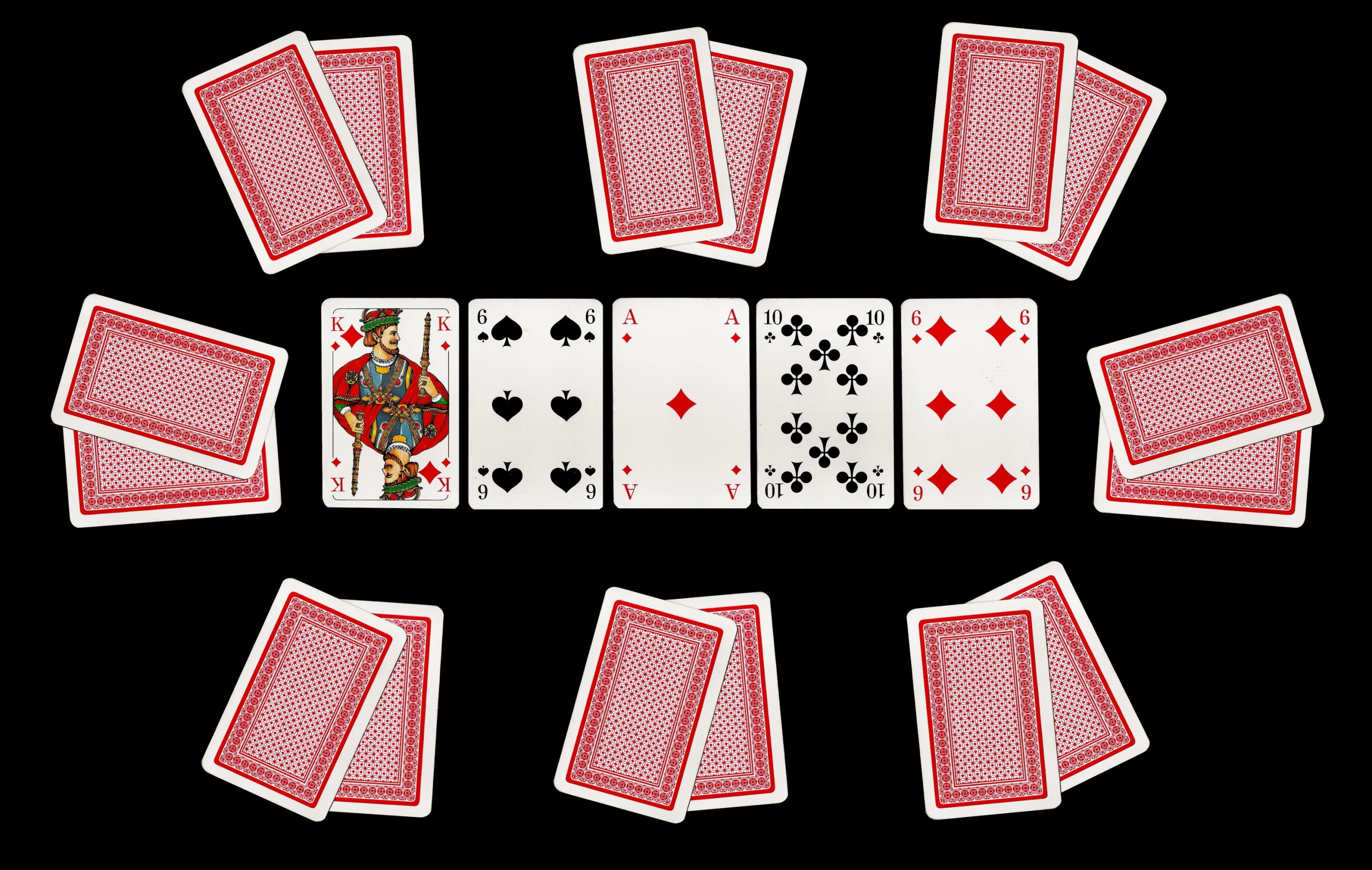
Develop a consistent pre-flop raising size (typically 2.5-3x the big blind in cash games, slightly larger in tournaments) and stick to it regardless of hand strength. Varying your raise size based on hand strength is a massive tell that observant opponents will exploit mercilessly.
Practice continuation betting selectively. Ask yourself three questions before c-betting: Do I have range advantage? Do I have nut advantage? Will my opponent fold enough? If you answer yes to at least two questions, c-betting shows profit. Otherwise, consider checking and re-evaluating on later streets.
Study hands away from the table using poker tracking software and solver tools. Review your biggest winning and losing pots weekly. Winning pots often reveal missed value opportunities, while losing pots expose leaks in your game. Focus on patterns rather than individual hands—if you’re consistently losing with top pair weak kicker, tighten your calling ranges.
Implement a stop-loss and stop-win strategy to protect your bankroll and mental game. When you’re down three buy-ins in a session, quit. Your decision-making deteriorates when stuck, and playing through tilt amplifies losses. Similarly, after winning big, consider ending the session on a high note rather than giving back profits.
Work on your mental game as diligently as your technical skills. Meditation, exercise, and proper sleep improve decision-making under pressure. Tilt is the silent bankroll killer—recognize your tilt triggers and develop coping mechanisms. Some players take short breaks, others review strategy content, and many benefit from breathing exercises.
Key Takeaways
- Position is power—play significantly more hands from late position and fewer from early position to maximize your informational advantage
- Bet sizing should serve a purpose—larger bets with polarized ranges, smaller bets with merged ranges, and consistent sizing to avoid giving away hand strength
- Selective aggression beats indiscriminate aggression—c-bet when you have range or nut advantage, not automatically because you raised preflop
- Adapt to opponent types—bluff rocks, value bet calling stations, and respect TAGs until you identify specific leaks
- ICM changes everything in tournaments—protect your stack near bubbles and final tables even when chip EV suggests a call
- Mental game equals technical game—tilt control, bankroll management, and emotional discipline separate winners from losers with similar technical skills
Frequently Asked Questions
What’s the most important poker strategy concept for beginners?
Position is the foundational concept every beginner must master. Playing more hands in late position (button and cutoff) and fewer hands in early position immediately improves your win rate. Acting last on every post-flop street gives you information advantages that translate directly into profit. Focus on tight ranges from early position and aggressive play from late position before worrying about advanced concepts.
How often should I bluff in poker?
Your bluffing frequency should make opponents indifferent to calling with bluff-catchers, which mathematically works out to approximately one bluff for every two value bets. With pot-sized bets, this means bluffing about 33% of the time. However, adjust based on opponents—bluff more against tight players who overfold, and bluff less against calling stations who can’t find the fold button. The key is balanced aggression, not random bluffing.
When should I move up in stakes?
Move up in stakes only when you’ve consistently beaten your current level over a significant sample size (at least 30,000 hands for cash games or 100 tournaments) and have the bankroll to support the higher variance. A conservative bankroll guideline is 30-40 buy-ins for cash games and 100+ buy-ins for tournaments. Moving up prematurely leads to bankroll destruction and confidence damage. Master your current stake before advancing.
Final Thoughts
Poker strategy isn’t a destination—it’s a continuous journey of learning, adapting, and refining your approach. The players who consistently win aren’t necessarily the most talented; they’re the most disciplined, the most studious, and the most willing to evolve their game as the meta shifts. Every session presents learning opportunities, whether you win or lose. The question is whether you’ll extract those lessons and apply them moving forward.
Remember that strategy without execution is worthless. You can study GTO ranges and memorize ICM charts, but if you can’t control your emotions at the table, you’ll still lose. Integrate mental game work into your study routine, treat poker as a marathon rather than a sprint, and focus on making optimal decisions rather than short-term results. Variance will test your resolve, but strategic discipline pays dividends over time.
The gap between knowing what to do and actually doing it separates amateurs from professionals. Start implementing these strategic concepts one at a time, review your hands regularly, and commit to continuous improvement. Your poker journey is unique, but the path to success remains constant: study, practice, analyze, and adapt.
Ready to Sharpen Your Poker Game?
Master your poker game with expert hand analysis