

WSOP 2026 Broadcast Revolution: Jeff Platt Unveils Plans
The World Series of Poker is transforming its broadcast approach in 2026, treating every preliminary event like a Main Event production. Jeff Platt, serving as Global Broadcast Talent, revealed plans for simultaneous three-table coverage and an unprecedented all-encompassing streaming strategy that could redefine poker television.
What Happened
In a revealing interview ahead of the 2026 WSOP, Jeff Platt outlined the most ambitious broadcast plan in the tournament’s history. Starting May 26 and running through August 5, the series will feature 100 bracelet events with coverage that breaks from traditional poker broadcasting conventions.
The production team is implementing a multi-crew system where one primary tournament receives feature table treatment across three simultaneous streams, while dedicated teams cover secondary action at both the Paris ballroom and Horseshoe venues. This marks a dramatic departure from previous years when preliminary events received minimal live coverage compared to the Main Event.
Platt, who will host a daily show, provide booth commentary, and conduct player interviews throughout the summer, emphasized that the 2026 WSOP Europe served as a crucial testing ground. The European series saw exceptional turnout across all events and allowed the production team to identify workflow improvements before the flagship Las Vegas series.
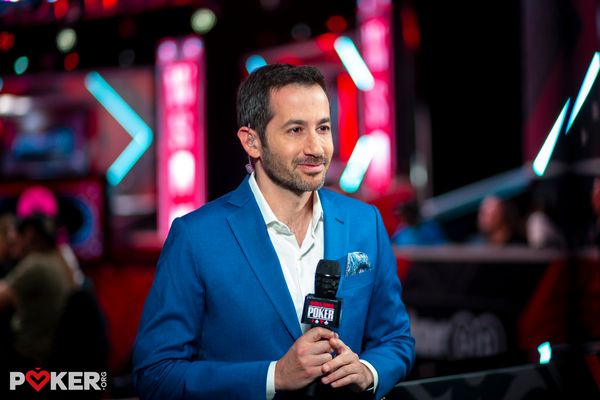
The broadcast will also feature a completely redesigned set in the Paris ballroom, which Platt described as “unlike anything that we’ve seen in poker.” While specific details remain under wraps, the stage represents a significant investment in creating a premium viewing experience.
ESPN returns as the Main Event broadcast partner, extending poker’s reach to mainstream sports audiences. The collaboration aims to maximize exposure for the game’s premier tournament while potentially attracting new players to poker.
An interesting subplot emerging from WSOP Europe involves Shaun Deeb’s Player of the Year campaign. Despite finishing runner-up in two events—losing heads-up to quads in both instances—Deeb established himself as the early favorite for the million-dollar POY prize. The new POY format launched at the European series, setting the stage for a season-long competition.
The Poker Strategy Breakdown
While this news focuses on broadcast innovation rather than a specific hand, the strategic implications for players are substantial. The expanded coverage creates new dynamics that savvy competitors must navigate.
First, the psychological pressure of playing on feature tables increases exponentially when every preliminary event receives Main Event-level attention. Players who excel under scrutiny gain a significant edge. The ability to maintain optimal decision-making while cameras capture every action, while commentators analyze your ranges, and while thousands watch live requires mental fortitude that many recreational players haven’t developed.
Consider the strategic adjustments necessary when you know your play is being broadcast. Experienced professionals understand that appearing on stream means their tendencies become public record. Every bluff, every value bet sizing tell, every timing pattern gets archived for opponents to study. This creates an interesting strategic dilemma: do you play your standard game and accept that information leakage, or do you adjust your strategy specifically for televised play?
The answer depends on your goals. If you’re a professional who plays primarily against the same tournament circuit regulars, protecting your strategic secrets matters. You might opt for more balanced, less exploitable play when cameras are rolling. However, if you’re primarily a cash game player making occasional tournament appearances, the exposure and branding opportunities from memorable televised moments could outweigh the strategic cost of revealing tendencies.
The three-table simultaneous coverage also changes the meta-game. In previous years, being selected for the feature table was relatively rare during preliminary events. Now, with triple the coverage, more players will experience extended camera time. This democratization of exposure means mid-stakes grinders and amateur qualifiers have unprecedented opportunities to build their poker brands.
From a pure strategy perspective, the increased coverage should theoretically raise the overall skill level of televised play. When players know they’re being watched and analyzed, they tend to tighten up their game, reduce fancy play syndrome, and stick to fundamentally sound poker. This creates tougher tables for everyone involved.
Reading The Field & Table Dynamics
The expanded broadcast creates fascinating field dynamics that sharp players can exploit. Understanding who thrives under the spotlight versus who wilts under pressure becomes a crucial skill.
Some players actively seek camera time, playing more aggressively when they know they’re being broadcast. These competitors view WSOP coverage as a marketing opportunity and will manufacture action to create memorable moments. Against these opponents, exercise patience and let them overextend. They’re often more concerned with creating content than making optimal decisions.
Conversely, many players—particularly amateurs who satellite into events—become noticeably tighter when moved to feature tables. Their bet sizing becomes more standardized, they reduce their bluffing frequency, and they generally play more straightforward poker. Against these opponents, increase your aggression. Apply pressure through three-bets and continuation bets, knowing they’re less likely to make hero calls or execute elaborate bluffs while on camera.
The tournament stage matters significantly when considering broadcast dynamics. Early in events, feature table assignments rotate frequently as tables break and players bust. This creates instability that favors adaptable players who can quickly assess new opponents. Late in tournaments, particularly at final tables, the dynamics shift. Players settle in, and the psychological weight of the moment intensifies.
ICM considerations become paramount during televised final tables. The presence of cameras doesn’t change the mathematical reality of Independent Chip Model calculations, but it does affect how players perceive risk. Many competitors make overly conservative decisions at televised final tables, passing up marginally profitable spots to avoid looking foolish on stream. The player who can maintain ICM-optimal aggression while others play scared gains a massive edge.
Pay attention to how opponents interact with the broadcast crew during breaks. Players who engage extensively with interviewers, who seem energized by the attention, typically aren’t intimidated by the cameras. Those who give terse answers or seem uncomfortable often carry that discomfort to the table. These psychological reads provide valuable information for post-break strategy adjustments.
How To Apply This To Your Game
Even if you’re not playing at the WSOP, the broadcast expansion offers valuable lessons for improving your poker game.
Start by studying the increased coverage. With three simultaneous feature tables running throughout preliminary events, you’ll have access to hundreds of hours of high-level tournament play. Don’t just watch passively—actively analyze decision points. Pause the stream before major actions and ask yourself what you would do. Compare your thinking to what professionals choose and, more importantly, listen to commentator analysis explaining the strategic reasoning.
Create a study group focused on WSOP coverage. Watching poker with other serious players allows you to debate strategic decisions, challenge each other’s assumptions, and develop a more nuanced understanding of tournament poker. The expanded coverage provides endless material for these sessions.
Practice playing as if you’re always on camera. This mental exercise improves discipline and reduces the gap between your A-game and your standard play. When you imagine expert commentators analyzing your decisions, you naturally tighten up marginal spots and think more carefully about your actions. This doesn’t mean playing scared—it means playing with intentionality.
If you plan to play WSOP events, prepare specifically for the possibility of extended camera time. Practice maintaining consistent timing tells regardless of hand strength. Work on controlling physical tells that cameras magnify. Develop a pre-action routine that you execute identically whether you’re bluffing or value betting.
Consider the branding implications of your table presence. If you do make a feature table, how you conduct yourself matters. Professional, respectful behavior while still showing personality creates opportunities beyond just the prize pool. The poker economy increasingly rewards players who can build audiences, and WSOP coverage provides that platform.
Use the Player of the Year race as motivation for volume. The new format rewards consistent performance across multiple events. If you’re serious about tournament poker, having a structured schedule that includes numerous WSOP events—rather than just taking shots at a few big buy-ins—improves both your skills through repetition and your chances of running deep multiple times.
Key Takeaways
- The 2026 WSOP introduces unprecedented broadcast coverage with three simultaneous feature tables for preliminary events, treating every day like a Main Event production
- Expanded camera time means more players will have their strategies and tendencies broadcast publicly, requiring careful consideration of information leakage versus branding opportunities
- Players react differently to broadcast pressure—some tighten up significantly while others play more aggressively for the cameras, creating exploitable patterns
- The increased coverage provides exceptional study material for serious players looking to improve their tournament game through hand analysis
- ESPN’s continued partnership extends poker’s mainstream reach, potentially growing the player pool and increasing future prize pools
- Shaun Deeb’s early POY lead after WSOP Europe creates a compelling season-long narrative with a million-dollar prize at stake
Frequently Asked Questions
How does playing on a feature table affect optimal strategy?
Playing on a feature table requires balancing optimal poker strategy with the reality that your tendencies are being broadcast to thousands of viewers and archived for future study. Generally, you should stick to fundamentally sound, balanced play rather than highly exploitative strategies that reveal too much about your game. However, the specific adjustment depends on your opponent pool—if you rarely play against the same players, the exposure cost is minimal. Focus on maintaining consistent timing and physical tells regardless of hand strength, as cameras magnify these factors.
What’s the strategic value of the new Player of the Year format?
The new POY format rewards consistent volume and performance across multiple events rather than just a few big scores. Strategically, this favors players who can maintain their A-game across extended sessions and who have the bankroll to enter numerous events. It also creates interesting strategic decisions about event selection—do you focus on fields where you have the biggest edge, or do you prioritize high-point-value events? For most players, the POY race provides excellent motivation to play more volume, which accelerates skill development even if you don’t win the overall title.
How can recreational players benefit from the expanded WSOP coverage?
The three-table simultaneous coverage provides recreational players with an unprecedented free education in tournament poker. You’ll see hundreds of hours of decision-making from world-class players across various stack depths, tournament stages, and table dynamics. The key is active study rather than passive viewing—pause before major decisions, predict what you would do, then compare your thinking to what professionals choose. Additionally, if you do play WSOP events, the increased coverage means you have a much better chance of getting camera time, which can be valuable for building your poker brand and creating memorable experiences beyond just the money.
Final Thoughts
The 2026 WSOP broadcast transformation represents more than just a production upgrade—it signals poker’s evolution as a spectator sport and the increasing professionalization of tournament coverage. Jeff Platt’s revelation that every day will receive Main Event-level treatment demonstrates the industry’s commitment to showcasing poker at its highest level.
For players, this creates both opportunities and challenges. The expanded coverage means more chances for exposure and brand building, but it also means your strategic tendencies become public knowledge more quickly. The key is approaching feature table play with intentionality, understanding that every decision contributes not just to your immediate tournament equity but also to your long-term strategic reputation.
The WSOP Europe serving as a testing ground shows the thoughtfulness behind this rollout. Rather than implementing massive changes without preparation, the production team used the European series to identify and fix potential issues. This attention to detail suggests viewers can expect a polished product when the Las Vegas series begins May 26. Whether you’re planning to play, study, or simply enjoy world-class poker entertainment, the 2026 WSOP promises to deliver an unprecedented viewing experience that could set the standard for tournament coverage for years to come.
Ready to Sharpen Your Poker Game?
Master your poker game with expert hand analysis
