How to Stay Sharp: Latest Poker Trends and Strategy Tips
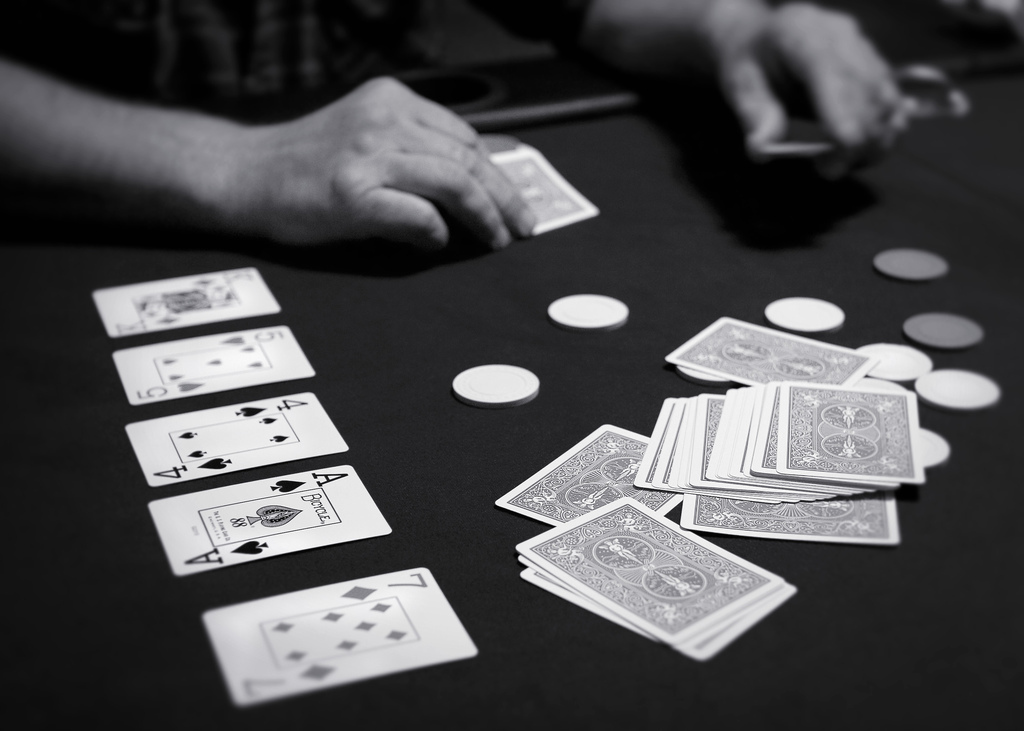
The poker landscape evolves constantly, with new strategies emerging from high-stakes battles and tournament innovations reshaping how winning players approach the game. Staying current with the latest developments isn’t just about following results—it’s about understanding the strategic shifts that separate elite players from the pack. Whether you’re grinding cash games or chasing tournament glory, knowing what’s working right now gives you an immediate edge at the tables.
What Happened
The modern poker ecosystem has transformed dramatically over the past year, with several key trends reshaping competitive play across all formats. High-stakes cash games have seen a resurgence in aggressive preflop strategies, with players increasingly adopting larger opening sizes and more frequent three-betting to combat the tight ranges that dominated recent years.
Tournament structures have also evolved, with major series experimenting with deeper starting stacks and longer blind levels to reward skillful postflop play. The WSOP and other flagship events have responded to player feedback by creating formats that reduce variance and allow for more sophisticated strategic adjustments throughout tournament progression.
Online poker platforms have introduced innovative features including run-it-twice options in cash games, shot clocks in tournament play, and advanced hand history tools that help players review their decisions more effectively. These technological improvements have accelerated the learning curve for dedicated students of the game, creating a more competitive environment at every stake level.
The rise of solver-based training has fundamentally changed how professionals prepare for major events. Players now arrive at tournaments armed with game theory optimal frameworks for common situations, forcing continuous adaptation and creative exploitation strategies to maintain an edge against well-studied opponents.
The Poker Strategy Breakdown
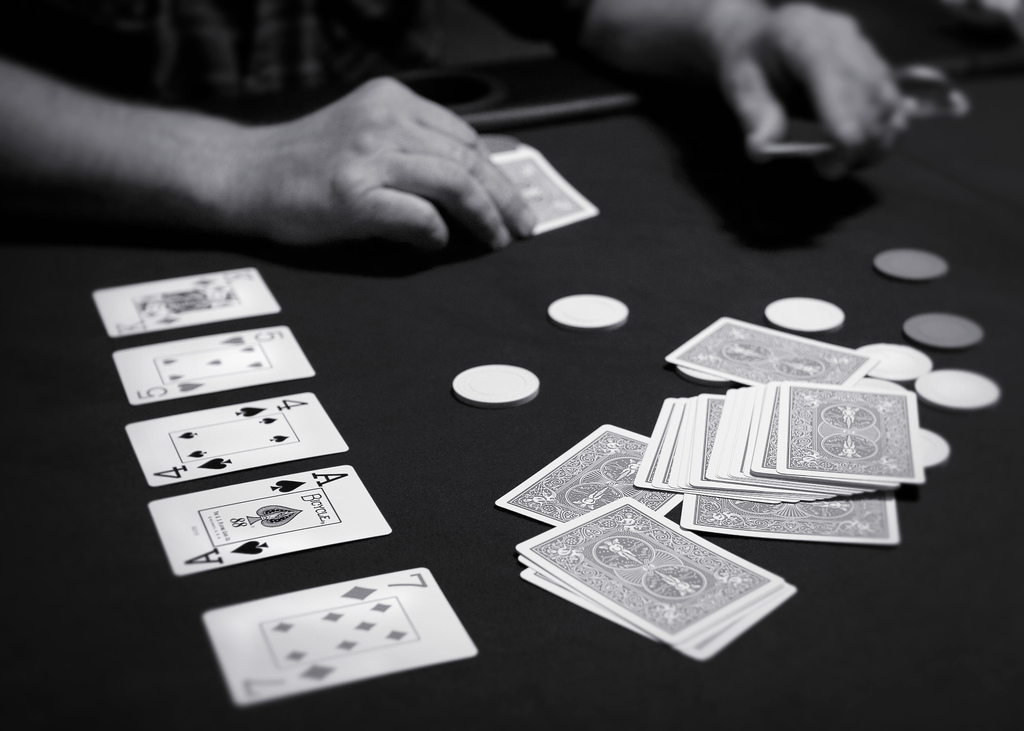
Understanding current strategic trends requires analyzing the core principles driving these changes. The shift toward larger preflop opening sizes—from 2.5bb to 3bb or even 3.5bb in some games—stems from a fundamental realization about pot geometry and postflop playability. When you open larger, you create a more favorable stack-to-pot ratio for continuation betting and applying pressure on later streets.
This adjustment forces opponents into difficult decisions with marginal holdings. A player facing a 3.5bb open instead of 2.5bb needs significantly stronger hands to call profitably, especially from out of position. The extra big blind in the pot might seem minor, but it compounds across every street of action, making bluffs more credible and value bets more punishing.
Three-betting frequencies have increased correspondingly, particularly from the blinds where players defend their equity more aggressively. The modern approach recognizes that flatting too often from the small blind creates multiway pots where you’re out of position against multiple opponents—a recipe for difficult decisions and reduced win rates. Instead, elite players now three-bet or fold from the small blind in many situations, simplifying their strategy and increasing aggression.
Postflop play has become more dynamic as well, with delayed continuation bets and check-raising strategies gaining prominence. Rather than automatically betting every flop, winning players now check back with portions of their strong hands to balance their checking range and create deception. This prevents opponents from automatically attacking checked flops with aggressive probing strategies.
The solver revolution has revealed that many “standard” plays from previous eras were actually significant strategic errors. For example, the old wisdom of “always continuation bet when you’re the preflop raiser” has been completely overturned. Modern strategy dictates checking certain board textures even with strong hands, particularly on low connected boards where the caller’s range connects more effectively than the raiser’s range.
River play has evolved most dramatically, with solvers demonstrating that players should be bluffing much more frequently than traditional approaches suggested. The key insight is that your bluffing frequency should be determined by the pot odds you’re offering your opponent, not by arbitrary rules about “only bluffing with outs” or “needing a credible story.” This mathematical framework has liberated aggressive players to apply maximum pressure in spots where opponents must fold too often to make calling profitable.
Reading The Field & Table Dynamics
While theoretical knowledge provides a foundation, adapting to specific opponents and table conditions remains crucial for maximizing win rates. The current poker environment features a wide skill distribution, with both highly sophisticated regulars and recreational players sitting at the same tables. Identifying which category your opponents fall into determines your entire strategic approach.
Against strong regulars who’ve studied modern theory, you need to play more balanced strategies that prevent exploitation. These opponents will notice if you’re overfolding to three-bets or never bluffing certain board textures, and they’ll adjust ruthlessly to exploit these imbalances. Against this player type, mixing your strategies and occasionally making theoretically suboptimal plays to create confusion becomes valuable.
Recreational players, conversely, often deviate significantly from optimal strategies in predictable ways. They might call too much preflop with weak hands, overfold to aggression on scary boards, or refuse to fold top pair regardless of action. Against these opponents, you should abandon balance and exploit their specific tendencies aggressively. If someone never folds top pair, stop bluffing them and simply value bet relentlessly when you have better.
Tournament dynamics add another layer of complexity, particularly as you approach the money bubble or final table. Independent Chip Model considerations mean that chip preservation becomes increasingly important relative to chip accumulation. A double-up when you’re short-stacked near the bubble has tremendous value, but risking your tournament life with a marginal edge when you’re comfortably stacked might be a mistake even if the call would be profitable in a cash game.
Stack sizes relative to blinds dictate strategic adjustments throughout tournament play. With 100+ big blinds, you can employ sophisticated postflop strategies and make thin value bets on rivers. As stacks shrink below 40 big blinds, preflop all-in situations become more common, and your strategy should shift toward push-fold calculations and maximizing fold equity. Understanding these transitions and adjusting your approach accordingly separates tournament specialists from players who simply apply cash game logic regardless of stack depth.
Table dynamics also shift based on how aggressive or passive your opponents are playing. At a tight table where everyone’s waiting for premium hands, you should increase your stealing frequency and apply pressure on blinds and limpers. At a loose aggressive table where multiple players are battling for every pot, tighten up and wait for genuine strength before committing chips. The best players constantly monitor these conditions and adjust their ranges accordingly rather than playing a static strategy.
How To Apply This To Your Game
Translating theoretical knowledge into practical improvements requires a systematic approach to studying and implementing new concepts. Start by reviewing your recent sessions and identifying situations where you’re uncertain about the optimal play. These decision points represent your biggest opportunities for improvement, as closing knowledge gaps in frequently occurring spots directly impacts your win rate.
Consider increasing your preflop opening sizes if you’ve been using smaller raises. Track whether this adjustment leads to more folds preflop or creates more favorable postflop situations. You might find that the extra fold equity alone justifies the larger investment, particularly when opening from late position against tight players in the blinds.
Work on balancing your continuation betting strategy by checking back some strong hands on the flop. This prevents opponents from automatically assuming you’re weak when you check, allowing you to trap aggressive players who try to attack your perceived weakness. Start with checking back some top pair hands on dry boards, then expand to other hand types as you become comfortable with this approach.
Practice river bluffing in spots where the math supports aggression. Calculate the pot odds you’re offering your opponent and ensure you’re bluffing frequently enough to make them indifferent to calling. If you’re betting half pot on the river, you need to be value betting twice as often as you’re bluffing to prevent your opponent from profitably calling with any bluff catcher. Understanding these ratios transforms river play from guesswork into mathematical precision.
Study your three-betting ranges from each position and compare them to solver recommendations. Many players three-bet too infrequently from the blinds, allowing opponents to steal profitably with weak hands. Increasing your three-betting frequency—especially from the small blind—immediately improves your win rate by claiming more pots preflop and forcing opponents into difficult decisions.
Use hand history review tools to analyze your biggest pots and most difficult decisions. Look for patterns in your play—do you consistently overvalue top pair? Do you fold too often to river bets? Are you missing value betting opportunities with strong hands? Identifying these trends allows you to focus your study time on areas with the highest return on investment.
Key Takeaways
- Modern preflop strategy favors larger opening sizes (3-3.5bb) to create better pot geometry and increase fold equity against marginal hands
- Three-betting frequencies have increased across all positions, particularly from the blinds where aggressive defense prevents exploitation
- Balanced continuation betting requires checking back strong hands on some board textures to prevent opponents from attacking all checked flops
- River bluffing frequency should be determined mathematically based on pot odds offered, not arbitrary rules about hand strength or story credibility
- Tournament strategy must account for ICM considerations and stack depth transitions, adjusting from deep-stacked postflop play to push-fold scenarios as blinds increase
- Exploitative adjustments against specific opponent types generate more profit than rigidly following balanced strategies against recreational players
Frequently Asked Questions
How often should I three-bet from the button against a cutoff open?
Against a standard cutoff opening range, you should three-bet approximately 8-12% of hands from the button, including premium pairs, strong broadways, and some suited connectors for balance. The exact frequency depends on your opponent’s tendencies—three-bet more against players who open too wide and fold frequently to aggression, and three-bet tighter against players who four-bet aggressively or call in position with strong ranges.
What’s the optimal continuation bet sizing on most flop textures?
Modern strategy favors smaller continuation bets (25-40% pot) on most flop textures, with larger sizes (66-75% pot) reserved for boards where you have a significant range advantage or want to deny equity to drawing hands. Smaller bets allow you to continuation bet more frequently with your entire range while risking fewer chips when you’re bluffing, creating a more balanced and difficult-to-exploit strategy.
How do I know when to check back the flop versus continuation betting?
Check back flops where your opponent’s calling range connects better than your opening range, such as low connected boards (6-7-8) or ace-high boards with two cards below nine. Also check back when you hold marginal showdown value that benefits from pot control, like second pair or weak top pair. Continuation bet when you have clear range advantage, such as king-high or queen-high boards after opening from early position.
Final Thoughts
The poker landscape continues evolving as players incorporate solver insights and adapt to increasingly sophisticated opposition. Staying competitive requires ongoing study and willingness to abandon outdated strategies that no longer generate profit against modern competition. The players who thrive in today’s environment are those who embrace continuous improvement and systematically identify weaknesses in their game.
Remember that implementing new strategies takes time and practice. Don’t expect immediate results when adjusting your preflop sizing or three-betting frequencies—give yourself several sessions to become comfortable with these changes before evaluating their effectiveness. Track your results across meaningful sample sizes and focus on making theoretically sound decisions rather than short-term outcomes.
The most important skill you can develop is the ability to analyze your own play objectively and identify areas for improvement. Whether you’re reviewing hand histories, discussing strategy with other serious players, or studying solver outputs, maintaining a growth mindset separates players who plateau from those who continue climbing stakes. The game rewards those who put in the work away from the tables, turning theoretical knowledge into practical skill through deliberate practice and honest self-assessment.
Ready to Sharpen Your Poker Game?
Master your poker game with expert hand analysis