How Senthuran Vijayaratnam Won WSOPC Calgary for $396K
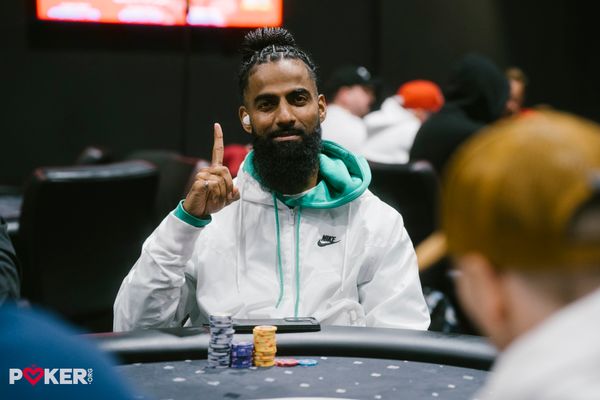
Senthuran Vijayaratnam flew into Calgary with $5,000 cash, a Bible, and a Build-A-Bear from his kids—then walked away with a career-defining $396,556 after shipping the WSOPC Main Event. The Toronto grinder’s January victory wasn’t just about the money; it was a comeback story that propelled him into Canada’s top 100 all-time tournament earners and set the stage for an audacious 2026 run.
What Happened
The 2026 World Series of Poker Circuit stop in Calgary delivered one of the most inspiring stories in recent Canadian poker history. Vijayaratnam almost didn’t make it to the tournament—financial constraints had him questioning whether the trip made sense. At 10:30 PM the night before the final starting flight, he threw caution to the wind and booked a 6 AM departure.
That morning flight turned out to be the only one that escaped cancellation during a brutal snowstorm that grounded most air traffic. Arriving at the end of Level 3 with just one bullet’s worth of buy-in money, Vijayaratnam navigated through a competitive field to claim the title. The win marked his largest career score and moved him into elite company among Canadian tournament players.
The victory came at a pivotal moment. Vijayaratnam had been struggling financially and viewed this tournament as a make-or-break opportunity. His preparation was minimal by necessity—he packed only essentials and brought exactly $5,000 in cash, which represented his entire bankroll. There was no safety net, no backup plan, just pure determination and the poker skills he’d been honing for years.
Following his Calgary triumph, Vijayaratnam maintained momentum with a $550 Sunday event win at Casino Niagara worth $10,651, then traveled to WSOP Circuit stops in Cherokee and Pompano Beach. At the Florida stop, he notched a fourth-place finish in the $2,200 High Roller for $14,254 USD, proving the Calgary result wasn’t a fluke.
The Poker Strategy Breakdown
Winning a major Circuit Main Event requires more than running hot—it demands strategic flexibility across multiple tournament stages. Vijayaratnam’s late arrival meant he missed the first three levels, entering with a starting stack while others had already accumulated chips or busted. This scenario actually presents unique strategic advantages for disciplined players.
Starting fresh while the field has thinned slightly allows you to observe table dynamics before making critical decisions. Players who’ve been grinding for hours may have established patterns, shown tendencies, or developed table images you can exploit. The key is avoiding the temptation to force action early to “catch up” on missed blind levels.
Vijayaratnam’s single-bullet approach reflects a tournament strategy built on survival and spot selection rather than aggressive chip accumulation. When you’re playing with your last $5,000, every decision carries existential weight. This creates a mindset that naturally filters out marginal situations—you simply can’t afford to gamble in spots where fold equity is uncertain or implied odds are questionable.
The mental framework of “first or nothing” that Vijayaratnam describes isn’t just bravado—it’s a legitimate strategic approach for players with strong postflop skills. By refusing deals and chops, you force yourself to play for outright victory, which means constantly seeking edges rather than settling for guaranteed payouts. This mindset keeps you aggressive in spots where deal-oriented players might play conservatively to lock up equity.
Deep tournament runs require adapting to stack sizes, blind levels, and payout jumps. Vijayaratnam’s success at Playground Poker Club, where he previously won a Circuit ring and an MSPT High Roller, suggests he’s mastered the art of adjusting his game to different structures and player pools. His comfort level at that venue translates to better decision-making under pressure—a crucial edge in tournament poker.
Reading The Field & Table Dynamics
Circuit Main Events attract a diverse player pool that ranges from recreational players taking shots to seasoned professionals hunting rings and leaderboard points. Understanding where you sit in this ecosystem determines optimal strategy. Vijayaratnam’s experience includes an 11th-place finish in the 2020 online WSOP Main Event, indicating he can navigate large fields with varied skill levels.
Early in Circuit events, recreational players often dominate the field, creating opportunities for skilled players to accumulate chips through superior hand reading and postflop play. As the tournament progresses and weaker players bust, the field quality increases dramatically. This shift requires strategic recalibration—moves that worked against loose-passive opponents early become costly against experienced players who understand ICM pressure.
Final table dynamics in Circuit events involve complex ICM considerations, especially when pay jumps become significant. Players with moderate stacks often face difficult decisions about whether to apply pressure or preserve their position. Vijayaratnam’s refusal to deal means he likely maintained aggression through these stages, using his willingness to risk tournament life as leverage against opponents trying to ladder up.
The psychological aspect of playing with your entire bankroll creates an interesting dynamic. While it might induce fear in some players, for others it produces clarity. When every decision matters equally, you’re forced to trust your instincts and training rather than getting paralyzed by result-oriented thinking. Vijayaratnam’s faith-based approach—looking up and thanking his higher power after winning—suggests he’d made peace with whatever outcome emerged.
Understanding your opponents’ motivations is crucial. Some players are there for fun, others for the ring, some for the money. Vijayaratnam’s title-focused mentality means he values equity in first place over guaranteed payouts, which creates exploitable situations against opponents with different priorities. When you’re willing to gamble for the win while others are playing to survive, you can apply maximum pressure.
How To Apply This To Your Game
The most important lesson from Vijayaratnam’s victory isn’t about specific hands or plays—it’s about commitment and mental preparation. Before entering any tournament, especially one that represents a significant portion of your bankroll, you need absolute clarity about your goals and risk tolerance. Half-hearted tournament poker is a recipe for mediocre results.
If you’re playing with scared money, your decision-making suffers. Either build a proper bankroll for your stakes or embrace the reality that you’re taking a shot and commit fully to playing your best game. Vijayaratnam’s $5,000 cash represented everything he had, but he didn’t let that fact paralyze him—he used it as motivation to play fearlessly within sound strategic frameworks.
Develop a clear tournament philosophy before cards go in the air. Are you playing to min-cash, to make a deep run, or to win outright? Your answer should inform every decision from hand selection to three-bet sizing to final table ICM spots. Vijayaratnam’s “first or nothing” approach isn’t right for everyone, but having that clarity prevents costly mistakes born from conflicting objectives.
Study venues where you’ve had previous success. Vijayaratnam’s repeated strong performances at Playground suggest he’s identified something about that room—the player pool, the structure, the atmosphere—that suits his game. Keep detailed records of your tournament results by venue, structure, and field size to identify patterns in your own performance.
Don’t underestimate the importance of mental and spiritual preparation. Vijayaratnam brought his Bible and his children’s Build-A-Bear—items that grounded him and reminded him what he was fighting for. Whether it’s faith, family, or personal goals, connecting your poker ambitions to something larger than money creates resilience during the inevitable downswings.
Finally, maintain momentum after big wins. Rather than taking extended breaks to celebrate, Vijayaratnam immediately jumped into more tournaments, leveraging his confidence and hot streak. When you’re playing your best poker, maximize your volume at appropriate stakes to capitalize on that edge.
Key Takeaways
- Commitment trumps comfort: Vijayaratnam booked his flight at 10:30 PM with his last $5,000, demonstrating that calculated risks sometimes require ignoring conventional bankroll management when opportunity knocks.
- Late entries aren’t disadvantages: Arriving at the end of Level 3 allowed observation of table dynamics before making critical decisions, proving you don’t need to play every hand to win tournaments.
- Define your tournament philosophy: The “first or nothing” mentality eliminates deal-making and forces aggressive play for outright victory rather than settling for guaranteed smaller payouts.
- Identify favorable venues: Repeated success at Playground Poker Club suggests finding rooms where your style matches the player pool creates sustainable edges worth exploiting.
- Maintain momentum strategically: Following the Calgary win with immediate tournament action at Casino Niagara and Circuit stops in Cherokee and Pompano Beach maximized value during a confidence peak.
- Mental preparation matters: Bringing personal items that provide spiritual and emotional grounding helps maintain composure during high-pressure tournament situations.
Frequently Asked Questions
What was Senthuran Vijayaratnam’s biggest poker score before WSOPC Calgary?
Before his $396,556 Calgary victory, Vijayaratnam’s most notable result was an 11th-place finish in the 2020 online WSOP Main Event. He also won a WSOPC ring at Playground Poker Club in April 2025 in the $3,300 High Roller event, along with an MSPT High Roller title at the same venue, though the Calgary score represents his largest single tournament cash.
Should you play tournaments with your entire bankroll like Vijayaratnam did?
Generally, no—standard bankroll management suggests having 50-100 buy-ins for your tournament stakes. However, Vijayaratnam’s situation was unique: he was facing financial hardship and viewed this as a calculated risk during a specific opportunity. For most players, proper bankroll management reduces variance and allows you to weather downswings without going broke. Only take shots above your bankroll when you can afford to lose and have a plan for rebuilding if things don’t work out.
What makes Playground Poker Club favorable for certain players?
Playground attracts a mix of local recreational players and traveling professionals, creating diverse field dynamics. The venue offers well-structured tournaments with reasonable rake, comfortable facilities, and consistent scheduling that allows players to develop familiarity with the player pool. Some players naturally mesh with certain venue atmospheres, staff interactions, and regional playing styles. Vijayaratnam’s repeated success there suggests his strategic approach aligns well with Playground’s typical field composition and tournament structures.
Final Thoughts
Senthuran Vijayaratnam’s WSOPC Calgary victory represents more than a tournament win—it’s a masterclass in perseverance, calculated risk-taking, and the mental fortitude required to succeed in high-stakes poker. His journey from nearly skipping the event due to financial constraints to shipping it for nearly $400,000 illustrates that poker success often hinges on intangible factors like commitment, timing, and the courage to take shots when opportunities arise.
The strategic lessons are clear: develop a coherent tournament philosophy, identify venues and structures that suit your game, maintain aggressive play when pursuing titles rather than min-cashes, and leverage momentum after big wins. But perhaps the most valuable insight is that poker success requires looking beyond the cards—Vijayaratnam’s faith, family motivation, and refusal to surrender during difficult times created the mental framework that allowed his skills to shine when it mattered most.
His ambitious goals for 2026—reaching $10 million in earnings or cracking Canada’s top 10—might seem audacious, but they reflect the mindset required for exceptional achievement. Whether he reaches those targets or not, his Calgary victory proves that with the right combination of skill, determination, and strategic clarity, remarkable results are possible even when starting from difficult circumstances. For players at any level, that’s a lesson worth remembering the next time you’re deciding whether to take your shot.
Ready to Sharpen Your Poker Game?
Master your poker game with expert hand analysis