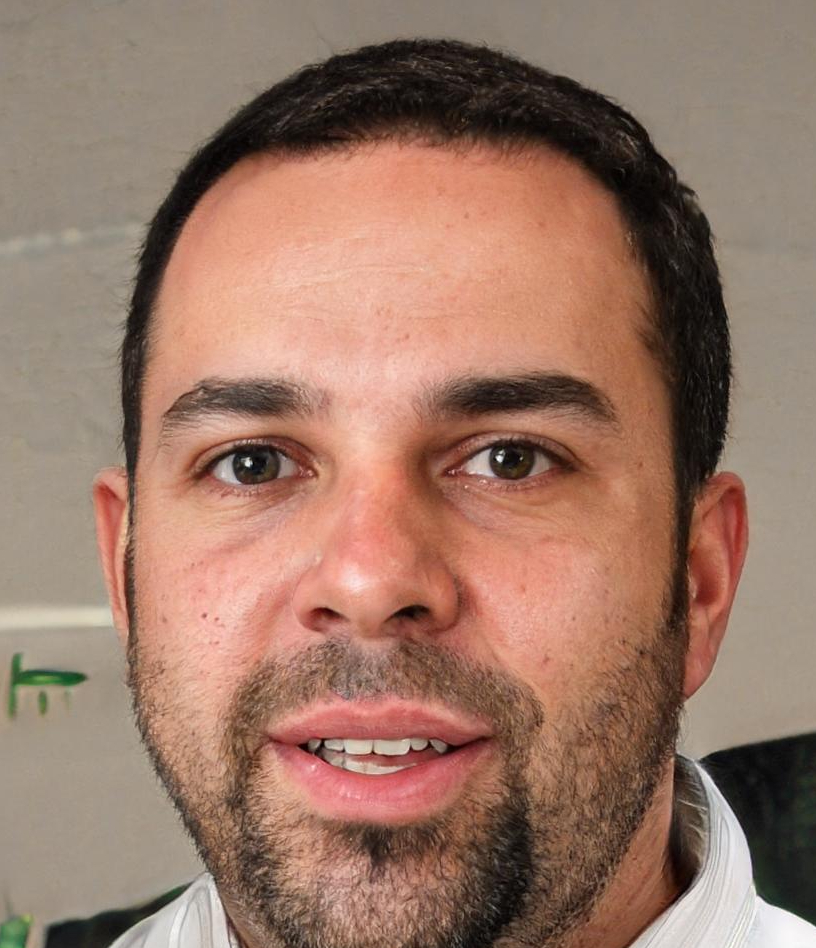
From $80 Underground Games to Six-Figure Scores: A Grinder’s Journey
A political science graduate turned poker pro transformed an $80 underground game buy-in into a six-figure tournament career within two years. Rishi Mehta’s ascent from micro-stakes online grinder to Northeast poker personality showcases how strategic bankroll building and family support can accelerate a poker career beyond traditional grinding timelines.
What Happened
Twenty-seven-year-old Rishi Mehta from Somerset, New Jersey never intended to become a professional poker player. With a Rutgers University degree in political science and creative writing, his trajectory pointed toward law school and political campaigns. But a 2020 graduation amid pandemic lockdowns derailed those plans, opening an unexpected door to the felt.
After discovering New Jersey’s underground poker scene through Instagram, Mehta walked into his first private game with just $80 and dreams of executing triple-barrel bluffs with seven-deuce. Reality hit harder than his fantasies—he lost quickly. But that initial setback sparked something deeper than casual interest.
Fast forward to November 2024, and Mehta secured a sixth-place finish at Live Casino & Hotel Philadelphia from a field of 2,570 players, banking $82,290. Two months later, he replicated that success with another sixth-place finish at the Borgata Winter Poker Open Kickoff in January 2025. These back-to-back scores didn’t just pad his bankroll—they legitimized his career choice to skeptical parents and launched him into commentary work at Borgata.
The journey between that first $80 loss and his breakthrough scores reveals critical lessons about bankroll management, game selection, and the psychological resilience required to transition from recreational player to professional grinder.
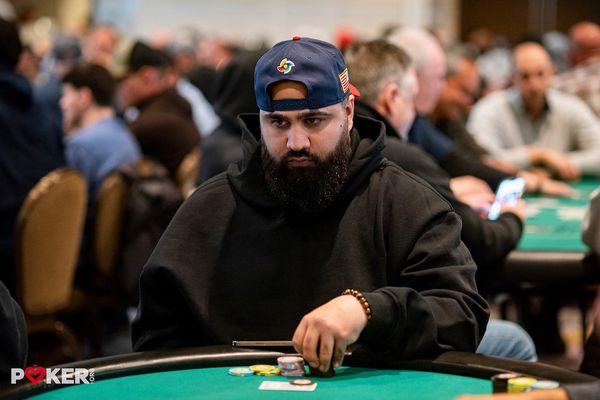
The Poker Strategy Breakdown
Mehta’s progression illustrates a common trap for developing players: jumping stakes before proper bankroll or skill development. During his Los Angeles stint, he discovered $5/$5 and $10/$10 cash games without understanding the financial requirements those stakes demanded.
“I was getting wrecked for what felt like monuments of money,” he admitted. This experience highlights a fundamental strategic error—playing above your bankroll creates decision-making pressure that compounds technical mistakes. When each pot represents significant personal wealth, optimal play becomes nearly impossible. Fear money makes terrible poker decisions.
His approach shifted dramatically after returning to the East Coast. Rather than continuing to battle in cash games beyond his means, Mehta took a dealer position in private games. This move accomplished three strategic objectives simultaneously: it generated poker income without variance, provided table-level education by observing thousands of hands, and built relationships within the poker community that eventually introduced him to tournament play.
The dealing period represents what many aspiring professionals overlook—the value of poker-adjacent income that doesn’t drain your bankroll. Tournament variance can devastate even skilled players, but Mehta entered his breakthrough event at Live Casino with a stable financial foundation that allowed him to play his A-game without desperation.
When analyzing his deep runs, Mehta acknowledged running pure while “having no idea” what he was doing. This self-awareness is strategically important. Many players confuse short-term results with skill validation, leading to overconfidence and stake jumps that evaporate their scores. Mehta recognized his technical gaps despite his results, creating space for continued improvement rather than stagnation.
His decision to fire three bullets in the Borgata Kickoff event after calling his parents to quit poker entirely demonstrates proper tournament bankroll strategy. With his first major score banked, he had the financial cushion to take calculated shots at high-value tournaments. The third bullet—fired only after his mother’s encouragement—proved decisive for his second deep run.
Reading The Field & Table Dynamics
Mehta’s background in political science and creative writing provided unexpected advantages at the poker table. Political campaign work develops skills in reading people, understanding motivations, and identifying persuasive narratives—all directly applicable to live poker dynamics.
His early poker education came from mass-consuming Doug Polk instructional content and High Stakes Poker episodes. This combination of technical theory and entertainment-focused poker created a balanced learning approach. Polk’s videos provided GTO foundations and strategic frameworks, while High Stakes Poker demonstrated live tells, table talk dynamics, and the psychological warfare that separates online theory from live application.
The six-way chop at Live Casino reveals important ICM considerations. In a field of 2,570 players, reaching the final six represents survival through multiple tournament stages—early flight navigation, middle-stage accumulation, bubble pressure, and final table dynamics. Agreeing to chop rather than playing it out suggests proper risk assessment when life-changing money reaches the table.
For a player with limited tournament experience, the chop decision demonstrates mature bankroll thinking. The difference between sixth-place money and first-place money becomes less significant when either amount transforms your financial situation. Reducing variance by locking in a score allows you to play future tournaments without the pressure of chasing your previous high-water mark.
Mehta’s transition into commentary work at Borgata and TriState Poker streams provided another angle for reading fields. Commentators develop pattern recognition across hundreds of hands, observing how different player types approach various situations. This bird’s-eye view accelerates strategic development faster than playing alone, as you witness the consequences of different approaches without risking your own chips.
How To Apply This To Your Game
The most actionable lesson from Mehta’s journey is the importance of poker-adjacent income streams. Whether dealing, commentary, content creation, or coaching, generating poker income without variance allows you to build your playing bankroll sustainably. Too many aspiring professionals try to grind their way up from micro-stakes, creating financial pressure that undermines their decision-making.
If you’re playing stakes that feel like “monuments of money” when you lose, you’re playing too high. Proper bankroll management isn’t just about having 20-30 buy-ins for cash games or 100+ buy-ins for tournaments—it’s about playing stakes where individual losses don’t create emotional or financial stress that affects your strategy.
Mehta’s consumption of poker content before playing seriously demonstrates the value of theoretical education. Spend significant time studying before putting money at risk. Watch training videos, analyze hand histories, and understand fundamental concepts before jumping into games. The hours invested in education pay dividends by preventing expensive mistakes at the table.
His willingness to fire multiple bullets in the Borgata Kickoff after initially quitting shows the importance of separating emotional reactions from strategic decisions. In the moment, losing two bullets felt like reason enough to quit. But after emotional distance and family perspective, firing a third bullet became the correct strategic play given his bankroll and the tournament’s value.
Build relationships within your local poker community. Mehta’s connections led to dealing opportunities, tournament introductions, and eventually commentary work. Poker success isn’t just about technical skill—it’s about networking, reputation, and being someone others want at their tables and in their games.
Finally, secure family support for your poker career. Mehta worked deliberately to convince his parents that poker was a legitimate path. His mother encouraging him to fire that third bullet represents a turning point—having family backing removes psychological barriers that undermine many players’ careers. When your support system believes in your path, you can weather downswings with greater resilience.
Key Takeaways
- Generate poker-adjacent income through dealing, commentary, or content creation to build your bankroll without variance pressure
- Never play stakes where individual losses feel like “monuments of money”—proper bankroll management is psychological as much as mathematical
- Invest heavily in poker education before putting significant money at risk; consume training content and study fundamentals thoroughly
- Build relationships within your local poker community for opportunities beyond just playing—networking accelerates career development
- Secure family support for your poker career to remove psychological barriers during inevitable downswings
- Recognize when short-term results don’t reflect actual skill level; avoid overconfidence after early scores and continue studying
Frequently Asked Questions
How much bankroll do you need to play poker professionally?
For tournament poker, you need 100-150 buy-ins for your standard tournament level to weather variance. For cash games, 30-50 buy-ins provides adequate cushion. However, the psychological requirement matters more than the mathematical one—you should play stakes where losses don’t create emotional or financial stress that affects your decision-making. Many successful professionals supplement playing income with poker-adjacent work like dealing, coaching, or content creation to reduce variance pressure.
Should you take deals at final tables?
Deal-making depends on your financial situation, skill edge, and stack size. When a score represents life-changing money—as it did for Mehta at Live Casino—reducing variance by locking in a guaranteed amount often makes sense. If you’re the short stack or playing against more experienced opponents, deals can increase your expected value. However, if you have a significant chip lead and skill advantage, playing it out may be more profitable. Consider your bankroll, the pay jump differences, and your edge before agreeing to any deal.
How do you convince family that poker is a legitimate career?
Demonstrate professionalism through bankroll management, record-keeping, and treating poker as a business rather than gambling. Show them your study routine, tracking spreadsheets, and strategic approach. Start part-time while maintaining other income to prove you can generate consistent results. When you do score, bank the majority rather than spending it frivolously. Family support often comes after seeing sustained success and responsible financial management rather than through arguments about poker’s legitimacy.
Final Thoughts
Rishi Mehta’s journey from $80 underground games to six-figure tournament scores demonstrates that poker careers don’t always follow traditional grinding paths. His willingness to work as a dealer, build community relationships, and invest in education created opportunities that pure playing couldn’t have generated alone. The combination of technical study, bankroll discipline, and strategic networking accelerated his development beyond what years of micro-stakes grinding might have accomplished.
The most overlooked aspect of his success is the family support he cultivated. His mother encouraging that third bullet in the Borgata Kickoff represents more than just a single tournament decision—it symbolizes the psychological foundation that allows players to take calculated risks without fear. Too many talented players never reach their potential because they lack the support system to weather poker’s inevitable variance.
Whether you’re grinding micro-stakes online or taking shots at major tournaments, the principles remain consistent: play within your bankroll, invest in education, build community relationships, and secure the psychological support necessary for long-term success. Mehta’s path proves that with the right combination of skill development, financial discipline, and community involvement, the jump from recreational player to poker professional can happen faster than traditional wisdom suggests.
Ready to Sharpen Your Poker Game?
Master your poker game with expert hand analysis