Richard Bai’s Masterclass: Crushing a 4:1 Chip Deficit
Richard Bai turned a seemingly insurmountable 92-24 big blind deficit into a $197,299 victory at the WSOPC Hammond Main Event, showcasing the mental fortitude and technical precision required to overcome massive chip disadvantages. The veteran pro’s third Circuit ring came after a dramatic heads-up battle where strategic aggression and well-timed gambles shifted momentum entirely.
What Happened
The WSOPC Hammond Main Event attracted 734 runners who generated a $1,122,615 prize pool, with 76 players reaching the money. When the final table convened on March 9, 2026, six competitors remained from the original field, each eyeing the near-$200K top prize and coveted Circuit ring.
Richard Bai entered the final day positioned in the middle of the chip counts, facing a table stacked with aggressive young talent. The experienced tournament grinder methodically worked his way through the field, eventually reaching heads-up play against Cody Brinn. But the real story was just beginning.
Brinn held a commanding lead when heads-up commenced—92 big blinds to Bai’s mere 24. In most scenarios, this represents a nearly insurmountable advantage. The chip leader can apply relentless pressure, forcing their opponent into marginal spots where one mistake ends the tournament. Yet Bai refused to fold under pressure.
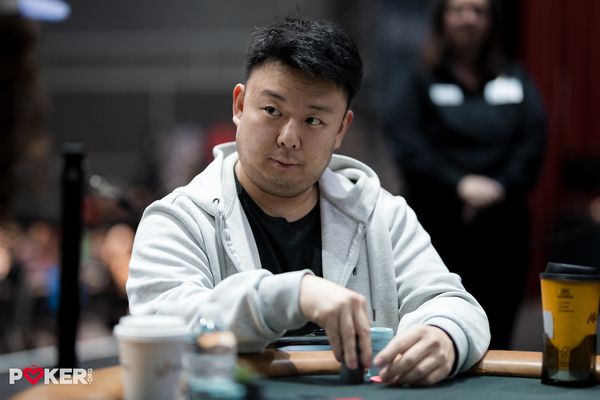
The pivotal moment arrived when Bai’s king-jack held against Brinn’s ace-seven, doubling through and breathing new life into his championship aspirations. A second crucial double with king-six gave Bai the chip lead, which he protected all the way to victory. For Brinn, who had controlled the match early, the rapid reversal demonstrated how quickly fortunes can change in heads-up poker.
The $197,299 first-place prize represents a career-best score for Bai, surpassing his previous high of $139,000. With over $2.2 million in lifetime earnings and now three WSOPC rings—all from Main Event victories—the veteran continues building an impressive tournament resume. Brinn collected $131,503 for his runner-up finish, while Charles Cunha rounded out the podium with $90,551 for third place.
The Poker Strategy Breakdown
Bai’s comeback provides a masterclass in short-stack heads-up strategy and the importance of hand selection when facing elimination. The king-jack versus ace-seven confrontation illustrates a critical concept: when short-stacked, you cannot wait for premium hands. You must identify spots where your equity is sufficient to justify risking your tournament life.
King-jack offsuit holds approximately 38% equity against ace-seven offsuit—not a favorite, but far from drawing dead. In a heads-up scenario with a 4:1 chip disadvantage, Bai likely recognized that continuing to fold would allow the blinds to erode his stack further. The math becomes simple: if you believe your opponent is applying maximum pressure with a wide range, hands like king-jack become profitable shoves.
The second double-up with king-six demonstrates even more aggressive stack preservation. King-six is a marginal holding in most contexts, but heads-up play operates under different rules. With only two players, hand values shift dramatically. Any king becomes significantly stronger, and suited or connected cards gain value. Bai’s willingness to commit with these holdings shows he understood the urgency of his situation.
What separates elite players from recreational ones in these spots is recognizing when mathematical necessity overrides hand strength preferences. Bai couldn’t afford to wait for pocket pairs or ace-king. He needed to create opportunities, and he did so by correctly assessing his opponent’s likely range and finding spots where his equity justified action.
The psychological element cannot be understated. After losing the first significant pot, Brinn faced a choice: continue aggressive pressure or tighten up to protect his remaining advantage. Many players in Brinn’s position make the mistake of becoming risk-averse after a bad beat, allowing their opponent to steal blinds and gradually even the stacks. Bai capitalized on this common tournament dynamic, seizing momentum and never relinquishing control once he regained the lead.
Reading The Field & Table Dynamics
Bai’s post-tournament comments reveal sophisticated awareness of generational playing styles and how to exploit them. He noted that younger players are “a little more calculated and a tad bit smarter” than his generation was at that stage, but he uses his experience to understand their mental framework and capitalize on it.
This observation touches on a fundamental tournament poker concept: player profiling. The modern generation of poker players has access to training resources, solvers, and theoretical knowledge that simply didn’t exist fifteen years ago. They understand GTO concepts, optimal bet sizing, and balanced ranges. However, this knowledge can sometimes create predictability.
When younger players rely heavily on theoretical frameworks, experienced pros like Bai can identify patterns in their decision-making. They know when these players are likely to apply pressure, when they’ll make disciplined folds, and when they might deviate from optimal play due to tournament pressure. Bai’s ability to “see himself” in younger competitors gives him insight into their thought processes, allowing him to stay one step ahead.
The final table composition matters significantly in tournament poker. A table full of aggressive, thinking players requires different adjustments than a table of passive, straightforward opponents. Bai acknowledged the high caliber of his competition, which suggests he made specific adjustments to his game plan. Against aggressive opponents, patience and trap-setting become more valuable. Against thinking players, occasionally making unexploitable plays can be more profitable than always seeking maximum value.
Bai also mentioned a crucial early hand that moved him into second chip position, which shifted his mindset from survival to championship contention. This psychological shift is vital in tournament poker. When you’re short-stacked, you play defensively, looking for spots to double. When you have chips, you can apply pressure and force opponents into difficult decisions. Recognizing when your stack allows for strategic flexibility separates good players from great ones.
How To Apply This To Your Game
The most important lesson from Bai’s victory is understanding when to abandon conservative play and embrace calculated aggression. Many amateur players make the mistake of waiting too long for premium hands when short-stacked, allowing themselves to be blinded away. If you find yourself in a similar chip deficit, especially heads-up, expand your shoving range significantly.
Study heads-up push-fold charts and internalize which hands have sufficient equity against typical calling ranges. Hands like king-jack, king-ten, queen-jack, and even king-six suited become profitable shoves in many situations. The key is understanding your opponent’s calling range and ensuring you have enough equity when called to justify the risk.
Second, don’t let a chip lead make you passive. Brinn’s loss demonstrates how quickly advantages can evaporate when you allow your opponent to dictate action. If you build a big lead, maintain aggression but adjust your risk tolerance. You don’t need to gamble in marginal spots, but you should continue applying pressure through raises and three-bets rather than allowing your opponent to see cheap flops.
Third, invest time in understanding generational and stylistic differences in your regular player pool. If you play regularly at the same venues or online sites, you’ll encounter the same players repeatedly. Take notes on their tendencies, betting patterns, and how they respond to pressure. This information becomes invaluable in crucial tournament spots.
Finally, cultivate genuine love for the game as Bai describes. He mentioned playing online regularly and keeping up with evolving strategy, which explains his continued success despite decades in the game. Poker rewards those who stay curious, continue learning, and adapt to new playing styles. Whether through training sites, hand reviews, or simply playing more volume, consistent improvement is the path to long-term success.
Key Takeaways
- Short-stack aggression wins tournaments: Bai’s willingness to gamble with king-jack and king-six in crucial spots prevented him from being blinded away and created opportunities for a comeback.
- Momentum shifts are real: The first double-up changed the psychological dynamic of the match, putting Brinn on the defensive and allowing Bai to seize control.
- Experience provides exploitable insights: Bai’s ability to understand younger players’ mental frameworks gave him an edge despite their theoretical knowledge advantages.
- Hand values change heads-up: What constitutes a strong hand in full-ring or six-handed play differs dramatically in heads-up situations—adjust your ranges accordingly.
- Continuous learning matters: Bai’s commitment to studying and playing regularly keeps him competitive against newer generations of players with access to advanced training tools.
- Stack size dictates strategy: Recognizing when your chip position allows for aggressive play versus defensive survival mode is crucial for tournament success.
Frequently Asked Questions
How do you play heads-up poker with a significant chip disadvantage?
When facing a large chip deficit heads-up, you must expand your shoving range considerably and look for spots to double through. Hands like king-jack, queen-jack, king-ten, and even weaker kings become profitable all-in hands depending on your opponent’s calling range. The key is acting before the blinds erode your stack further. Study push-fold charts specific to heads-up play and understand that you cannot wait for premium hands. Create pressure through aggression rather than allowing yourself to be blinded away.
What is Richard Bai’s tournament poker background?
Richard Bai is a veteran tournament professional with over $2.2 million in lifetime earnings and 154 recorded cashes on the Hendon Mob database since his first WSOPC Hammond cash in 2011. He now has three WSOPC rings, all won by taking down Main Events, which is a remarkable accomplishment. His Hammond victory for $197,299 represents his career-best score, surpassing his previous high of $139,000. Bai continues competing regularly and studies the game online to stay sharp against younger competition.
How should you adjust your strategy when playing against younger, theoretically-trained players?
Younger players often have strong theoretical foundations and understand GTO concepts well, but this can create predictability in their play. Use your experience to identify patterns in their decision-making and spots where they might be overly reliant on theoretical frameworks. Mix in exploitative plays, vary your bet sizing more than solvers would suggest, and look for spots where tournament pressure might cause them to deviate from optimal strategy. The key is balancing respect for their technical knowledge with exploitation of their relative inexperience in high-pressure situations.
Final Thoughts
Richard Bai’s WSOPC Hammond victory serves as a reminder that technical skill alone doesn’t guarantee tournament success. Mental fortitude, strategic flexibility, and the ability to recognize crucial moments separate champions from also-rans. His comeback from a 4:1 chip deficit demonstrates that no lead is safe in poker, and no deficit is insurmountable when you combine solid fundamentals with aggressive execution at the right moments.
The modern poker landscape continues evolving, with each generation bringing new approaches and theoretical understanding to the game. Yet Bai’s success proves that experience, adaptability, and genuine passion for poker remain invaluable assets. Whether you’re a seasoned pro or an aspiring tournament player, the lessons from this comeback apply universally: stay aggressive when short-stacked, maintain pressure when ahead, and never stop learning.
As you continue developing your tournament game, focus on the fundamentals that powered Bai’s victory—proper hand selection in crucial spots, understanding how stack sizes dictate strategy, and maintaining composure under pressure. These skills, combined with consistent study and volume, will position you for success at any level of competition.
Ready to Sharpen Your Poker Game?
Master your poker game with expert hand analysis