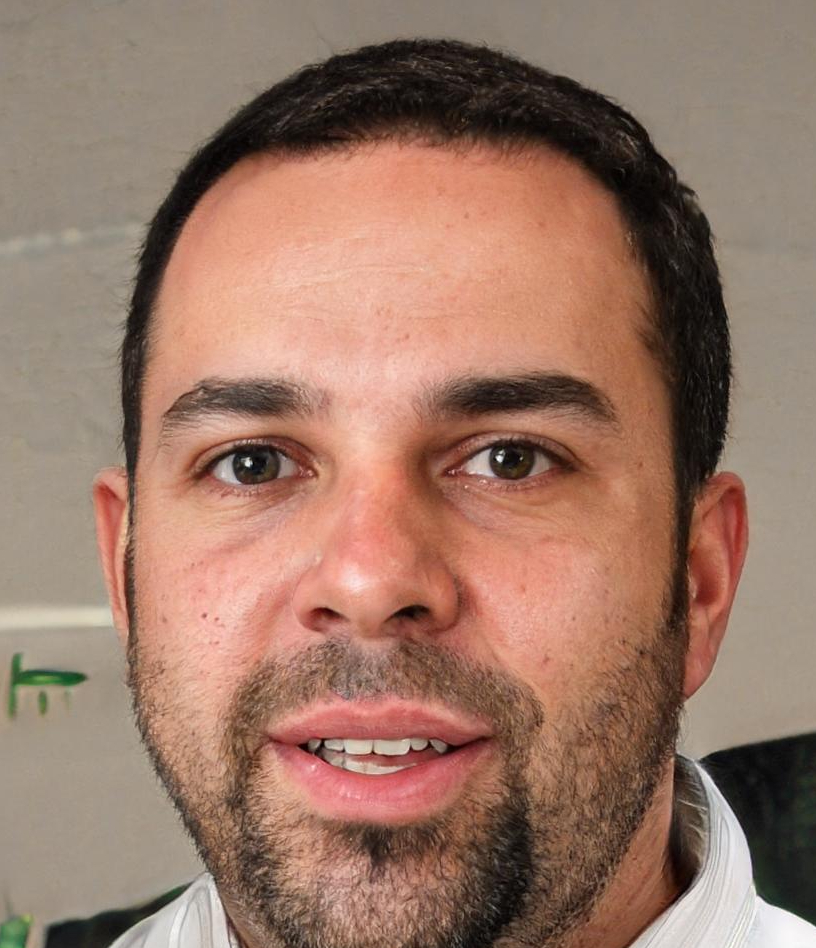
Dvoress Bounces Back: Re-Entry Strategy in €100K EPT Event
Daniel Dvoress transformed a first-bullet bust into chip supremacy at the EPT Monte Carlo €100,000 High Roller for One Drop, bagging 1,251,000 chips after firing his second entry. The Canadian pro’s comeback highlights a crucial high roller reality: knowing when to reload can be the difference between watching from the rail and leading the field.
What Happened
The Monte Carlo Bay Hotel became the battleground for poker’s elite as Event #8 of the PokerStars European Poker Tour attracted 63 entries, building a prize pool worth €6,048,000. Day 1 action saw aggressive play and frequent eliminations, with only 32 survivors advancing to Saturday’s continuation.
Dvoress wasn’t alone in requiring multiple bullets. Jason Koon, Jean-Noel Thorel, Kayhan Mokri, and Wiktor Malinowski all made return trips to the tournament desk after early exits. The re-entry champion, however, was Mikalai Vaskaboinikau, who fired six bullets according to PokerStars’ live tracking system.
Tom Fuchs sits second in chips with 987,000, while Mehdi Roqai rounds out the top three with 923,000. The top ten includes recognizable names like Adrian Mateos (820,000), Ole Schemion (719,000), and Isaac Haxton (683,000). Notably, Mokri recovered from his rebuy to finish fifth in chips with 843,000.
With late registration remaining open until Day 2 begins, both the field size and prize pool could expand further. The tournament carries additional significance as 3% of each buy-in supports the One Drop Foundation’s water access initiatives worldwide.
Looking ahead, players have circled May 4th on their calendars—the start date for the €250,000 EPT Super High Roller, matching the buy-in level PokerStars previously offered only once at the 2023 PCA.

The Poker Strategy Breakdown
Dvoress’s decision to fire a second bullet reveals sophisticated tournament thinking that separates recreational players from professionals. In high roller events with extended late registration, the re-entry option fundamentally alters optimal strategy during early levels.
The mathematics behind re-entry decisions involve several variables. First, players must evaluate their edge over the remaining field. Dvoress, consistently ranked among the world’s best tournament players, maintains a significant skill advantage that justifies additional investment. When your expected ROI exceeds the buy-in cost, rebuying becomes mathematically sound.
Second, stack depth considerations matter enormously. Starting fresh with 100 big blinds often provides better equity than nursing a short stack through the money bubble. The chip utility function in tournaments means that 100,000 chips early holds more value than 100,000 chips near the bubble, where ICM pressure constrains play.
Dvoress’s chip accumulation strategy on his second bullet likely involved calculated aggression. High roller fields feature sophisticated opponents who understand range construction and balance, making blind stealing more challenging than in standard tournaments. However, the presence of multiple recreational entries and players on tilt from rebuying creates exploitable situations.
The key to building a massive Day 1 stack involves identifying which opponents are playing scared (protecting their single bullet) versus those showing reckless aggression (already committed to rebuying if necessary). Dvoress excels at adjusting his frequencies based on opponent psychology rather than rigidly following GTO principles.
Three-bet pots become crucial battlegrounds in this format. With antes in play and deep stacks, the pot-to-stack ratio in three-bet situations allows for complex postflop maneuvering. Dvoress’s ability to navigate these spots—knowing when to barrel, when to pot control, and when to give up—directly contributed to his chip accumulation.
Reading The Field & Table Dynamics
The €100,000 buy-in level creates a unique player pool composition. Unlike €25,000 events that attract ambitious mid-stakes grinders, this price point filters for established professionals, wealthy businessmen, and cryptocurrency winners comfortable with seven-figure swings.
Understanding table dynamics at this level requires reading beyond cards and bet sizing. Players like Vaskaboinikau, who fired six bullets, clearly entered with a “win or bust” mentality. Opponents displaying this approach become prime targets for value betting but dangerous to bluff, as they’re often pot-committed regardless of hand strength.
Conversely, players on their first bullet late in the day typically tighten considerably, especially those without the bankroll for casual rebuys. Recognizing these opponents allows skilled players to apply pressure in marginal spots where a single bullet player cannot call without premium holdings.
The presence of players like Mateos, Schemion, and Haxton in the top ten demonstrates that survival isn’t about passive play. These professionals understand that chip accumulation during Day 1, when ICM considerations remain minimal, sets up deeper runs. Building a stack now provides ammunition for later stages when tournament life becomes precious.
Table draw significantly impacts Day 1 results in events with multiple re-entries. Landing at a table with several players on tilt from previous busts creates a dramatically different environment than a table of cautious first-bullet players. Dvoress’s chip accumulation suggests he either drew favorably or expertly exploited his specific table dynamics.
Position abuse becomes more pronounced in high roller events where everyone understands positional advantage. The battle for blinds and antes intensifies, with button and cutoff opens facing frequent three-bets from aware big blinds. Navigating these wars requires both theoretical knowledge and real-time adjustment to opponent tendencies.
How To Apply This To Your Game
While most players won’t face €100,000 buy-in decisions, the strategic principles from this event apply across stakes. Understanding when rebuying makes sense starts with honest edge assessment. If you’re the weakest player at your table, additional bullets simply accelerate losses. But if you hold a demonstrable skill advantage, rebuying often provides better expected value than finding a different game.
Calculate your effective hourly rate including rebuy costs. If a tournament offers late registration through Level 8, and you bust Level 2, compare the EV of a fresh start versus starting a new tournament. Factors include your remaining edge, the specific opponents at your table, and your mental state after the bust.
Adopt different strategies based on rebuy intentions. If you’ve decided this is your only bullet, adjust toward survival—not passive play, but avoiding marginal spots where variance dominates. If you’re comfortable rebuying, embrace calculated risks during early levels when chips are cheapest.
Study how professionals like Dvoress build stacks without gambling. Review hand histories focusing on pot control, thin value betting, and strategic aggression. Notice how elite players construct ranges that apply pressure while maintaining defensive balance.
Practice exploitative adjustments against different opponent types. Develop a mental framework for categorizing players: scared money, gamblers, solid regulars, and world-class pros. Each category requires different counter-strategies. Against scared money, increase bluff frequency. Against gamblers, value bet thinner and bluff less. Against regulars, stay balanced but look for individual tendencies to exploit.
Implement better table awareness. Track which opponents seem tilted, who’s protecting a short stack, and who’s playing fearlessly. This information guides decision-making in marginal spots where mathematical analysis alone proves insufficient.
Key Takeaways
- Re-entry decisions require edge assessment: Dvoress’s second bullet worked because his skill advantage justified the investment—apply this logic at your stakes
- Fresh stacks beat short stacks early: Starting over with full chips often provides better equity than nursing a short stack through late registration
- Opponent psychology matters more than cards: Identifying players on tilt versus those protecting their last bullet creates exploitable situations
- Day 1 chip accumulation pays long-term dividends: Building stacks when ICM pressure is minimal sets up deeper runs and final table opportunities
- Table dynamics shift with re-entry availability: Play more aggressively when rebuying is an option, more carefully when it’s not
- Position battles intensify at higher levels: The fight for blinds and antes becomes more sophisticated as player skill increases
Frequently Asked Questions
How do professionals decide whether to rebuy in high roller tournaments?
Professional players evaluate several factors: their edge over the remaining field, their effective bankroll and backing arrangements, the specific table draw and opponent mix, their mental state after busting, and the availability of alternative tournaments. Players like Dvoress typically have pre-determined rebuy limits based on their overall edge in the event. The decision also considers whether they’re playing with their own money or backed with makeup agreements. If a player maintains a significant skill advantage and feels mentally sharp, rebuying usually makes mathematical sense, especially during early levels when late registration remains open.
What’s the strategic difference between playing with rebuy intentions versus a single bullet?
When planning to rebuy if necessary, players can take more calculated risks during early levels, knowing that busting isn’t catastrophic. This allows for thinner value bets, more aggressive bluffs in marginal spots, and willingness to flip in +EV situations. Single-bullet players should adjust toward survival without becoming passive—avoiding coin flips and marginal spots while still accumulating chips through solid play. The key difference isn’t tight versus loose, but rather risk tolerance in spots where variance dominates. Players comfortable rebuying can embrace high-variance plays that are theoretically profitable, while single-bullet players should favor lower-variance approaches that preserve tournament life.
How does late registration affect Day 1 strategy in high roller events?
Extended late registration fundamentally changes optimal strategy. Early in Day 1, chips are “cheaper” because busting allows a fresh start. This encourages more aggressive play and willingness to gamble in profitable spots. As late registration nears closing, strategy should shift toward preservation, as busting eliminates your opportunity to compete. Smart players also consider that late registrants enter with shorter effective stacks relative to blinds, creating different dynamics. The presence of late registration also affects opponent behavior—some players gamble recklessly knowing they can rebuy, while others tighten up protecting their entry. Reading which approach your opponents are taking and adjusting accordingly provides significant edge.
Final Thoughts
Daniel Dvoress’s transformation from first-bullet casualty to chip leader illustrates why high roller regulars consistently outperform the field. The decision to rebuy wasn’t emotional or impulsive—it reflected calculated assessment of his edge, the event structure, and the long-term expected value of competing against this specific field.
For players at any level, the lessons extend beyond rebuy decisions. Dvoress’s success stems from understanding that tournament poker requires constant adjustment to changing dynamics. The strategy that works during early levels with rebuys available differs dramatically from bubble play or final table ICM situations. Developing this adaptability—knowing when to apply pressure, when to exercise caution, and when to take calculated risks—separates consistent winners from break-even players.
As the €100,000 High Roller continues and the €250,000 Super High Roller approaches, Monte Carlo will showcase the world’s best players navigating these complex strategic decisions. Whether you’re playing €100,000 events or €100 tournaments, the fundamental principles remain constant: assess your edge, understand your opponents, and make decisions based on logic rather than emotion. That’s the difference between watching from the rail and bagging chips at day’s end.
Ready to Sharpen Your Poker Game?
Master your poker game with expert hand analysis