Heads-Up Championship Returns With Poker’s Elite
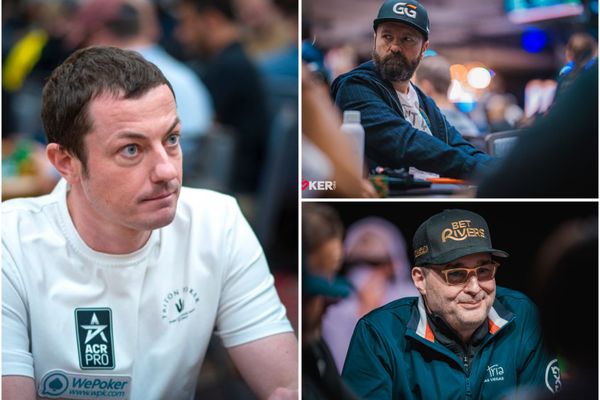
The $25,000 National Heads-Up Poker Championship kicked off its 2026 edition at the PokerGO Studio with a star-studded field of 64 competitors. After sitting out the 2025 revival, poker legends Daniel Negreanu, Phil Hellmuth, and Tom Dwan have all entered the bracket, setting up potential fireworks in what promises to be the most competitive heads-up tournament of the year.
What Happened
The prestigious National Heads-Up Championship began its Round of 64 matches on April 30 in Las Vegas, bringing together poker’s biggest names and high-stakes regulars for single-elimination heads-up battles. The tournament’s 2025 comeback was notable for the absence of three poker icons, but this year’s field correction brings Daniel Negreanu, Phil Hellmuth, and Tom Dwan back into the fold.
Each of these marquee players drew formidable first-round opposition. Negreanu faces Dan Sepiol, who captured the 2023 WPT World Championship title and has proven himself as one of the game’s rising forces. Hellmuth matches up against Josh Arieh, a bracelet winner and consistent performer in high-stakes events. Dwan drew Randy ‘3Coin’ Sadler, known for his unpredictable play style that can create chaos in heads-up formats.
The tournament carries particular historical significance for Hellmuth and Dwan, who clashed memorably in the 2010 edition. That match produced one of poker television’s most infamous meltdowns when Hellmuth’s pocket aces fell to Dwan’s tens, triggering a verbal tirade that included Hellmuth questioning whether Dwan would even be playing poker five years later. With both players in this year’s bracket, a potential rematch looms if they navigate their respective sides of the draw.
Defending champion Sam Soverel returns to protect his title after navigating a brutal path through last year’s field. The Florida pro defeated Jonathan Jaffe, Ryan Feldman, Nick Wright, Luiz ‘Brazil God’ Rizental, and Phil Galfond before taking down Keith Lehr in a best-of-three finals to claim the $500,000 first prize. Soverel’s first obstacle this year is Kasey Lynn Mills in the Round of 64.
The 64-player bracket is divided into four suits—Spades, Clubs, Diamonds, and Hearts—with notable matchups scattered throughout. The Spades bracket features Liv Boeree versus Jeremy Ausmus and Doug Polk taking on Luiz ‘Brazil God’ Rizental in a rematch of YouTube poker personalities. The Diamonds section includes Alex Foxen against Erik Seidel and Vanessa Selbst returning to face Marius Gierse. The Hearts bracket showcases Dan ‘Jungleman’ Cates against Jeremy Becker and Seth Davies versus Sean Winter.
The Poker Strategy Breakdown
Heads-up poker represents the purest form of strategic combat in poker, stripping away multi-way dynamics and forcing players into constant confrontation. The format demands aggressive play, with hand values shifting dramatically compared to full-ring games. Hands like ace-high and middle pairs gain tremendous strength, while speculative holdings lose value without implied odds from multiple opponents.
Position becomes absolute in heads-up play—the button acts first preflop but has positional advantage postflop. This creates a fundamental tension where the button player must balance aggressive button opens (typically 70-100% of hands) against the big blind’s incentive to defend widely and three-bet liberally. The best heads-up players master this preflop war, understanding that small edges compound over hundreds of hands.
The matchups in this tournament highlight different strategic approaches. Negreanu’s opponent Dan Sepiol represents the modern solver-influenced generation, likely armed with GTO-based strategies and balanced ranges. Negreanu, while having adapted his game significantly in recent years, built his reputation on exploitative adjustments and live reads. This clash of methodologies will test whether experience and adaptability can overcome theoretical precision.
Hellmuth versus Arieh presents another fascinating contrast. Hellmuth’s heads-up game relies heavily on tight-aggressive fundamentals and psychological warfare, attempting to frustrate opponents into mistakes. Arieh brings a more well-rounded approach with strong technical foundations and the emotional stability to weather Hellmuth’s antics. The mental game may prove as important as the cards in this matchup.
Dwan’s match against Randy ‘3Coin’ Sadler introduces variance and unpredictability. Dwan excels at deep-stacked play where his fearlessness and creative aggression shine, but heads-up formats often start shallow and require disciplined fundamentals. Sadler’s unconventional style could either catch Dwan off-guard or play directly into his ability to adjust and exploit non-standard strategies.
The single-elimination format adds enormous pressure to every decision. Unlike cash games where players can reload and continue, or multi-table tournaments where chip accumulation matters more than individual pots, one critical mistake can end a player’s tournament immediately. This reality forces players to balance aggression with survival, especially in close matches where a single cooler could determine the outcome.
Reading The Field & Table Dynamics
The bracket structure creates interesting strategic considerations beyond individual matches. Players must consider not just their immediate opponent, but the potential path through subsequent rounds. Soverel’s section of the Clubs bracket could see him facing either Phil Hellmuth or Josh Arieh in Round 32, followed by potential matchups against Andrew Robl, Jared Bleznick, or the winner of Randall Emmett versus Robbi Jade Lew.
The presence of recreational players and celebrities alongside poker professionals introduces variance and opportunity. While someone like Alan Keating brings tremendous heart and improving skills, he faces a significant skill gap against elite professionals. These matchups create potential upsets but also represent clear favorites that strong players should navigate successfully.
Player stamina and mental endurance become factors as the tournament progresses. Heads-up poker demands intense focus and constant decision-making without the breaks that come from folding multiple hands in full-ring formats. Players who can maintain peak performance through multiple matches gain a decisive edge, particularly in later rounds when fatigue sets in.
The tournament’s history also influences player psychology. Hellmuth’s 2010 blowup against Dwan remains part of poker lore, and that baggage could affect his mental state if facing similar situations. Soverel’s accidental trophy spoiler from last year might add pressure to his title defense. These psychological factors, while intangible, can shift edges in close matches.
Style matchups matter enormously in heads-up play. Aggressive players thrive against passive opponents but can clash destructively against each other, creating massive variance. Technical players with balanced strategies perform consistently but may struggle to generate maximum value against weak opposition. The bracket’s randomness means some players draw favorable style matchups while others face nightmare scenarios.
How To Apply This To Your Game
Watching elite heads-up play provides invaluable lessons for improving your overall poker strategy. Start by observing how professionals adjust their preflop ranges based on opponent tendencies. Notice when they tighten up against aggressive three-bettors versus when they apply maximum pressure against passive defenders. These adjustments translate directly to six-max and full-ring games when you reach heads-up situations.
Study the bet sizing patterns employed by top players. Heads-up poker rewards precise sizing that maximizes value while minimizing risk. Pay attention to how professionals use smaller c-bets on dry boards versus larger bets on wet textures, and how they adjust river sizing based on their range advantage. These concepts apply universally across poker formats.
Practice aggressive play in position. Most recreational players fail to apply enough pressure when they have positional advantage. The heads-up format exaggerates this dynamic, but the principle holds everywhere—position allows you to realize equity more effectively and apply strategic pressure. Incorporate more positional aggression into your regular games, starting with slightly wider button opens and more frequent continuation bets.
Develop your three-betting strategy by observing how professionals defend their big blinds. Notice the balance between calling and three-betting, and how hand selection changes based on opponent opening frequencies. This skill directly improves your blind defense in all game formats, preventing opponents from profitably stealing your blinds.
Work on emotional control by watching how players handle bad beats and coolers. Hellmuth’s infamous meltdowns provide cautionary tales, while players like Arieh and Soverel demonstrate the composure necessary for sustained success. Your ability to maintain strategic clarity after setbacks directly impacts your win rate across all poker variants.
Key Takeaways
- The National Heads-Up Championship returns with poker’s biggest names after they sat out the 2025 revival, creating a significantly stronger field
- Heads-up poker demands aggressive play and constant adjustment, with hand values and positional dynamics differing dramatically from full-ring games
- Historical rivalries like Hellmuth versus Dwan add psychological dimensions that can influence strategic decisions and mental game
- Single-elimination format creates enormous pressure where one mistake ends your tournament, requiring perfect balance between aggression and survival
- Style matchups and bracket positioning matter tremendously, with some players drawing favorable paths while others face nightmare scenarios
- Watching elite heads-up play provides actionable lessons for improving positional awareness, bet sizing, and emotional control in all poker formats
Frequently Asked Questions
How does heads-up poker strategy differ from full-ring games?
Heads-up poker requires dramatically more aggressive play, with button players typically opening 70-100% of hands compared to 15-25% in full-ring games. Hand values shift significantly—ace-high and middle pairs become strong holdings, while speculative hands lose value without multiple opponents providing implied odds. Position becomes absolute rather than relative, and every hand involves direct confrontation rather than the selective engagement possible at full tables.
What happened between Phil Hellmuth and Tom Dwan in 2010?
During the 2010 National Heads-Up Championship, Hellmuth suffered a memorable meltdown after Dwan’s pocket tens cracked his pocket aces. Hellmuth berated Dwan extensively, questioning whether he would even still be playing poker in five years. The incident became one of poker television’s most infamous moments and exemplifies the psychological pressure of heads-up competition. Both players are in the 2026 bracket, creating potential for a rematch.
How can recreational players improve their heads-up game?
Start by playing more aggressively in position, gradually widening your button opening range and increasing continuation bet frequency. Practice three-betting from the big blind to prevent opponents from profitably stealing. Study bet sizing patterns, using smaller bets on dry boards and larger bets when you have range or nut advantages. Most importantly, work on emotional control—heads-up poker creates variance and frustration, and maintaining strategic clarity after setbacks separates winning players from losing ones.
Final Thoughts
The return of Negreanu, Hellmuth, and Dwan to the National Heads-Up Championship elevates an already prestigious event into must-watch poker television. Their absence last year left a noticeable void in the bracket, and their inclusion this time around guarantees compelling storylines and high-level strategic battles. Whether we see a Hellmuth-Dwan rematch or these legends fall early to hungry young professionals, the tournament promises to deliver memorable moments.
Beyond the entertainment value, this event showcases heads-up poker at its highest level. The format strips away the complexities of multi-way pots and ICM considerations, revealing pure strategic combat between two players. For students of the game, watching how elite professionals navigate these battles provides invaluable insights into aggression, adjustment, and mental game that translate directly to improving your overall poker skills.
As the tournament unfolds this summer on Peacock and PokerGO, pay attention not just to who wins and loses, but how they approach each strategic decision. The lessons embedded in these matches—from preflop range construction to river value betting to emotional resilience—represent a masterclass in poker fundamentals that every serious player should study.
Ready to Sharpen Your Poker Game?
Master your poker game with expert hand analysis