

Chris Moneymaker’s Longevity Secret: Mindset Over Marathons
The man who sparked poker’s biggest boom is playing fewer tournaments than ever—and he’s never been happier. Chris Moneymaker, the 2003 WSOP Main Event champion, has traded the grind for gym sessions and pickleball courts, revealing how sustainable poker success isn’t about volume but strategic selectivity.
What Happened
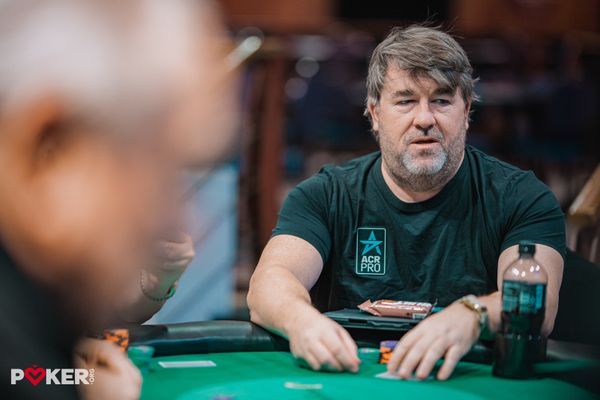
In a candid conversation ahead of the 2026 World Series of Poker, Chris Moneymaker disclosed a dramatic shift in his poker lifestyle. The legendary amateur-turned-champion who transformed the game over two decades ago is now playing online just two days per week and limiting his live tournament schedule to essentially one event: the WSOP Main Event.
Moneymaker’s decision stems from multiple factors, including new tax legislation affecting traveling poker professionals and a deliberate focus on health and family. He’s dropped 45 pounds through daily gym sessions and his newfound passion for pickleball, describing his current existence as “almost living a retired life.”
Despite the reduced schedule, Moneymaker hasn’t lost his competitive edge. His 2025 victory in a $25,000 Triton High Roller proved he can still compete at poker’s highest levels. As an ambassador for ACR Poker, he’s found success in the online arena while maintaining the work-life balance that eluded him during poker’s boom years.
The timing of his selective approach coincides with ESPN’s return to broadcasting the WSOP, potentially reigniting mainstream interest in tournament poker. Moneymaker believes this visibility—combined with possible Netflix poker productions—could create another viewership spike similar to what “The Queen’s Gambit” did for chess.
The Poker Strategy Breakdown
Moneymaker’s approach to the modern tournament landscape offers crucial insights into sustainable poker careers. His two-hour focus method from 2003 remains relevant, but his honest acknowledgment that “locking in for three hours” now causes physical discomfort highlights an underappreciated aspect of tournament strategy: physical preparation.
The original Moneymaker method was deceptively simple yet brutally effective. He’d break each tournament day into two-hour mental blocks, maintaining maximum focus during those intervals before resetting during breaks. This compartmentalized approach prevented the mental fatigue that destroys decision-making quality in hours seven, eight, and nine of tournament days.
His pre-tournament preparation in 2003 reveals another strategic layer often overlooked: opponent research tailored to knowledge gaps. Moneymaker didn’t know the professional field, so he spent late nights with PokerStars representative Dan Goldman studying each table draw. This wasn’t about memorizing GTO ranges—it was intelligence gathering specific to his informational disadvantage.
The physical routine Moneymaker employed during his championship run—alternating Red Bull with water while fasting throughout tournament days—was questionable from a health perspective but served a strategic purpose. The caffeine maintained alertness while the empty stomach prevented the post-meal energy crashes that plague players who overeat during dinner breaks.
His current online-focused strategy demonstrates evolved thinking about expected value beyond the felt. By playing primarily on ACR two days weekly, Moneymaker maximizes hourly rate while minimizing travel expenses, time away from family, and the tax complications that now affect circuit grinders. This ROI calculation includes life quality—a variable most players ignore until burnout forces the conversation.
The selective live schedule centered on the Main Event also reflects strategic event selection. Moneymaker’s brand value peaks during the WSOP’s flagship tournament, where his presence carries promotional worth that offsets the variance of playing just one major live event annually. He’s essentially treating himself as a business asset with optimal deployment timing.
Reading The Field & Table Dynamics
Moneymaker’s 2003 victory came during a transitional period in poker’s evolution—when aggressive amateurs could exploit overly tight professionals. His approach to table dynamics was refreshingly straightforward: identify spots where opponents expected weakness and apply pressure they weren’t prepared to face.
The modern application of this principle requires understanding how field composition has shifted. Today’s Main Event features a spectrum from recreational players to elite professionals, with the middle tier dramatically more sophisticated than 2003’s field. Moneymaker’s current strategy of limited live play means he faces less frequent exposure to live tells and timing tells, potentially creating rust in live reads.
However, his online volume at ACR provides a different advantage: pattern recognition against large player pools and constant exposure to varying playing styles. Online poker’s faster pace means Moneymaker likely sees more hands in two days of online play than many live-only players see in a month of casino sessions.
The psychological dynamics of Moneymaker’s Main Event appearances carry unique weight. His table presence alone creates pressure—opponents know they’re playing against poker history, which can induce both overly cautious play from starstruck amateurs and overly aggressive play from professionals eager to “take down a legend.” Both tendencies create exploitable patterns.
His admission about the difficulty of maintaining focus as he ages touches on a critical tournament dynamic rarely discussed: the physical endurance gap between younger and older players. This isn’t about hand-reading ability or strategic knowledge—it’s about hour twelve of a tournament day when decision fatigue becomes the primary opponent.
Phil Hellmuth’s comments about age deterring WSOP participation underscore a real phenomenon. The players who thrive in marathon tournament formats aren’t necessarily the most skilled—they’re often the ones whose physical conditioning allows sustained mental performance. Moneymaker’s gym routine and weight loss aren’t vanity projects; they’re strategic investments in tournament stamina.
How To Apply This To Your Game
The most actionable lesson from Moneymaker’s evolution is the two-hour focus block system. Instead of viewing tournaments as single marathon sessions, break your play into manageable intervals. During each two-hour block, commit to complete presence—no phone checking, no mental wandering, no autopilot decisions. Use breaks to genuinely reset rather than scrolling social media.
Implement pre-tournament opponent research tailored to your specific knowledge gaps. If you’re playing an unfamiliar venue or field, spend time before the event identifying the regulars, their tendencies, and their likely ranges. This doesn’t require sophisticated tracking software—basic observation and note-taking provide significant edges against unknown opponents.
Evaluate your tournament schedule through a comprehensive ROI lens that includes non-monetary factors. Calculate not just buy-in versus expected return, but travel costs, time away from other priorities, and the mental energy required for peak performance. Moneymaker’s shift to primarily online play with selective live events reflects this holistic profitability analysis.
Prioritize physical preparation as seriously as strategic study. The correlation between physical fitness and mental endurance in long tournament formats is undeniable. You don’t need to drop 45 pounds or play pickleball daily, but establishing consistent exercise routines and healthy eating patterns directly impacts your ability to make quality decisions in crucial late-tournament spots.
Consider the strategic value of playing fewer, better-prepared events versus grinding maximum volume. Moneymaker’s approach of playing the Main Event with deliberate preparation—including sleep schedule adjustments to match Vegas hours—demonstrates how event selection and preparation quality can compensate for reduced quantity.
Develop sustainable routines that maintain alertness without destroying your health. While the Red Bull-and-water-only approach worked for a 27-year-old Moneymaker, sustainable tournament performance requires balanced nutrition. Experiment with meal timing and composition to find what maintains energy without causing crashes during critical tournament phases.
Key Takeaways
- Focus in blocks: Break tournament days into two-hour mental intervals with genuine resets during breaks to maintain decision quality throughout marathon sessions
- Research your gaps: Tailor opponent study to your specific informational disadvantages rather than generic preparation that doesn’t address your actual needs
- Calculate holistic ROI: Evaluate tournament selection based on total life impact—travel costs, time away, tax implications, and mental energy—not just buy-in versus expected return
- Physical preparation matters: Tournament stamina depends heavily on physical conditioning; consistent exercise and weight management directly improve late-stage decision-making ability
- Quality over quantity: Playing fewer events with superior preparation can yield better results than grinding maximum volume with inadequate focus on each tournament
- Sustainable routines win: Develop tournament-day habits that maintain performance without compromising long-term health and career longevity
Frequently Asked Questions
How did Chris Moneymaker’s playing style contribute to his 2003 Main Event victory?
Moneymaker’s aggressive approach exploited the overly tight playing style common among 2003 professionals. He applied pressure in spots where opponents expected weakness, particularly effective against players who gave excessive credit to raises and weren’t prepared for the fearless aggression of a skilled amateur. His two-hour focus block method maintained decision quality throughout long tournament days, while his late-night opponent research sessions with PokerStars staff helped him identify exploitable tendencies in players he’d never faced before.
Why is Moneymaker playing fewer live tournaments now?
Moneymaker’s reduced live schedule stems from multiple factors: new tax legislation affecting traveling poker professionals, a desire to minimize time away from family, and a strategic shift toward online poker at ACR where he’s achieving strong results. He’s prioritized life quality over tournament volume, playing online just two days weekly while focusing on health, fitness, and pickleball. His selective live schedule centers on the WSOP Main Event, where his presence carries maximum promotional value and personal significance.
What can recreational players learn from Moneymaker’s tournament preparation methods?
Recreational players should adopt Moneymaker’s two-hour focus block system, breaking tournaments into manageable mental intervals rather than treating them as single marathon sessions. His pre-tournament sleep schedule adjustments demonstrate the importance of physical preparation for optimal performance. The opponent research approach—studying players you don’t know rather than generic preparation—provides actionable edges. Most importantly, his holistic ROI calculation that includes life quality factors shows how sustainable poker success requires balancing competitive ambition with personal well-being.
Final Thoughts
Chris Moneymaker’s journey from poker’s biggest boom catalyst to selective semi-retirement offers a masterclass in career longevity. His current approach—limited online volume, minimal live events, maximum life quality—contradicts the grind-culture mentality that dominates poker discourse. Yet his 2025 Triton victory proves this sustainable model doesn’t sacrifice competitive edge.
The lessons extend beyond tournament strategy into career management. Moneymaker’s evolution demonstrates that poker success isn’t measured solely in bracelets or earnings but in building a life where poker enhances rather than consumes everything else. His 45-pound weight loss and daily gym sessions aren’t separate from his poker career—they’re integral to maintaining the physical and mental stamina required for peak performance in the events he chooses to play.
As ESPN returns to broadcasting the WSOP and potential Netflix productions loom, Moneymaker’s selective approach positions him perfectly. He’s preserved the mystique and significance of his Main Event appearances while avoiding the burnout that claims so many professional careers. Whether you’re a recreational player or aspiring professional, the Moneymaker model offers a blueprint for sustainable success that prioritizes longevity over short-term volume.
Ready to Sharpen Your Poker Game?
Master your poker game with expert hand analysis
