WSOP Tournament Survival: 5 Hard-Earned Lessons From Vegas
The World Series of Poker isn’t just about playing good cards—it’s about navigating a grueling marathon of psychological warfare, bankroll management, and strategic adaptation that separates seasoned pros from hopeful amateurs. These five battle-tested insights will transform how you approach poker’s biggest stage and potentially save you thousands in costly mistakes.
What Happened
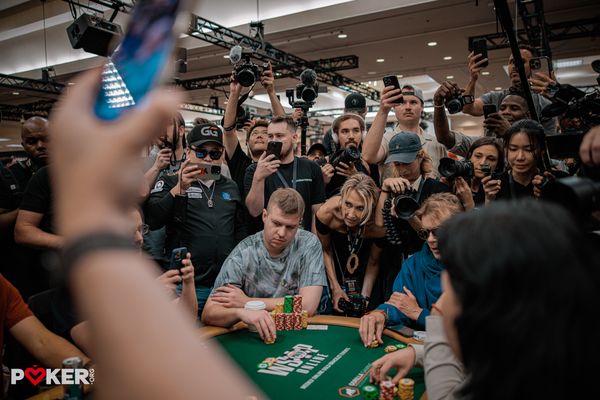
Every summer, thousands of poker players descend on Las Vegas with dreams of WSOP glory, only to find themselves overwhelmed, outplayed, and out of chips faster than they anticipated. The difference between those who thrive and those who flame out often has little to do with pure poker skill and everything to do with understanding the unique ecosystem of summer tournament poker.
The WSOP presents challenges that simply don’t exist in your local card room or online grind. From managing energy across weeks of play to adjusting for the re-entry culture that’s transformed tournament strategy, players who don’t adapt find themselves at a severe disadvantage. The lessons outlined here come from years of painful experience—the kind of education that costs buy-ins, sleep, and sometimes sanity.
Understanding these realities before you book your flight can mean the difference between a profitable summer and an expensive vacation filled with regret.
The Poker Strategy Breakdown
The first critical adjustment involves bankroll allocation in the re-entry era. Modern WSOP events allow multiple entries, fundamentally changing the game theory optimal approach to early tournament play. When your opponents know they can fire again, they’re incentivized to take higher-variance lines early, accumulating chips through aggression that would have been reckless in the freeze-out era.
This creates a mathematical reality many players ignore: your effective buy-in isn’t the listed price. If you’re playing a $1,500 event, you should budget $6,000 as your true tournament investment. This accounts for the fact that competitive play in these fields often requires two to three bullets to maximize your edge. Players who commit to only one entry find themselves exploited by opponents who recognize their risk-averse tendencies.
The strategic implication is profound. With a single bullet, you’re essentially playing with a massive ICM disadvantage from hand one. Your opponents can profitably bluff you more frequently, knowing you’re protecting your lone entry. They can make looser calls with drawing hands, understanding that busting means nothing more than a walk to the registration desk.
Late registration becomes a viable strategic option for players uncomfortable with this dynamic. By entering during the later levels, you can employ a simplified push-fold strategy that neutralizes some of the early-stage gamble while still maintaining a competitive stack relative to the blinds. This approach won’t build massive chip leads, but it provides a mathematically sound path forward for players who prefer lower variance.
The second major strategic consideration involves bubble dynamics. The money bubble in WSOP events creates unique pressure that doesn’t exist in smaller tournaments. Players have invested not just buy-ins but travel costs, accommodation expenses, and significant time. This sunk cost fallacy makes them desperately want to cash, creating exploitable tendencies.
The correct strategic response is counterintuitive: increase aggression precisely when others are tightening up. Medium-stack shoves with marginal holdings generate tremendous fold equity because opponents are making decisions based on emotional factors rather than pot odds. A shove with ace-high or small pocket pairs can be highly profitable when it forces three players with legitimate hands to fold because none wants to be the bubble casualty.
However, this aggression must be selective. The key is identifying opponents who are clearly in preservation mode versus those willing to gamble. When someone shows unusual strength—raising turns, making large river donk-bets, or triple-barreling—they’re typically not bluffing in live WSOP events. The player pool skews toward value-heavy lines because nobody wants to explain to their friends how they punted chips on an elaborate bluff.
Reading The Field & Table Dynamics
Live WSOP tournaments feature a dramatically different player psychology than online events. The physical and financial investment required to compete in Las Vegas creates a conservative bias that permeates deep-stack play. Players are acutely aware that they’ve spent considerable resources to be there, making them less likely to risk tournament life on marginal situations.
This manifests in specific betting patterns that sharp players can exploit. When a typically passive opponent suddenly raises the turn after calling flop, they’re almost always value-heavy. When someone makes an unusually large river bet after checking earlier streets, they’ve made a strong hand and are trying to extract maximum value. These tells are far more reliable in live play than online, where balanced strategies are more common.
The ICM pressure in WSOP events intensifies as payouts increase. Unlike online tournaments where players might be grinding dozens of events simultaneously, WSOP participants are often playing their biggest buy-ins of the year. This creates ladder-climbing behavior where players with medium stacks become extremely risk-averse, hoping short stacks bust to move up the payout structure.
Understanding this dynamic allows you to apply pressure at optimal moments. When you’re on a table with several short stacks and you hold a medium-large stack, you can profitably attack other medium stacks who are waiting for short stacks to bust. They’re in a terrible strategic position—too invested to bust before the short stacks, but without enough chips to comfortably wait.
Table selection matters more than many players realize. The WSOP runs concurrent events across multiple venues, and the playing conditions vary dramatically. Some poker rooms are cramped and noisy, creating fatigue that compounds over long sessions. Others offer more comfortable environments where you can maintain focus for extended periods. Scouting rooms before committing to a schedule can significantly impact your performance.
How To Apply This To Your Game
Before you arrive in Las Vegas, create a detailed tournament schedule that includes mandatory rest days. The temptation to play every event is overwhelming, but fatigue is the silent killer of WSOP dreams. Identify your target events based on buy-in, structure, and venue, then build recovery time around them. Your performance in day two of a tournament is far more important than playing a marginal event on fumes.
Develop a clear re-entry policy for each tournament before cards go in the air. Decide in advance how many bullets you’re willing to fire and under what circumstances. This prevents emotional decisions after a bad beat when you’re most likely to make poor bankroll choices. If you’ve allocated three bullets for an event, you can play more aggressively early knowing you have backup options.
Study push-fold charts specifically for bubble situations. The general principle—shove light, call tight—requires understanding the specific ranges that make these plays profitable. When you’re in the small blind with 25-30 big blinds and action folds to you on the bubble, you should be shoving far wider than most players realize. But when facing a shove, your calling range should be considerably tighter than the math might suggest, because opponents are rarely bluffing in these spots.
Adjust your calling ranges throughout the tournament based on stack depths and tournament stage. Early in events, you can make looser calls because the implied odds justify seeing flops. But as stacks get shallower and ICM pressure increases, you need stronger hands to call off significant portions of your stack. This is especially true against recreational players who simply don’t bluff enough to justify hero calls.
Practice recognizing value-heavy lines in live play. When opponents take unusual aggressive actions—especially on turn and river—start with the assumption they have a strong hand and require compelling evidence to think otherwise. This disciplined approach will save you countless chips over the course of a summer, even if it means occasionally folding the winner.
Key Takeaways
- Budget four times the buy-in for re-entry tournaments to maintain strategic flexibility and avoid being exploited by opponents willing to fire multiple bullets
- Increase aggression on the bubble while others tighten up, using medium-stack shoves to accumulate chips when fold equity is at its peak
- Recognize that live WSOP players are significantly less likely to bluff than online opponents, especially when taking strong lines like turn raises or river overbets
- Create a realistic tournament schedule before arriving in Vegas that includes rest days and accounts for venue preferences to maximize performance
- Apply the “shove light, call tight” principle near the bubble, understanding that your shoving range should be much wider than your calling range in these high-pressure situations
- Avoid calling off your stack without premium holdings in deep-stack situations, as the risk-averse nature of live tournament players makes hero calls far less profitable than online
Frequently Asked Questions
How many buy-ins should I bring for a WSOP trip?
A conservative approach is to bring 20-30 buy-ins for your average tournament entry. If you’re playing mostly $400-600 events, that means $8,000-18,000 in tournament bankroll. Remember to account for re-entries by multiplying each tournament buy-in by 3-4 when calculating your effective costs. Also budget separately for cash games, food, lodging, and entertainment—never dip into your tournament roll for living expenses.
Should I play more aggressively in re-entry tournaments?
Generally yes, but only if you’ve properly bankrolled for multiple bullets. The key is having a predetermined re-entry strategy so you’re not making emotional decisions after busting. If you know you have two more bullets available, you can take higher-variance lines early to build a big stack. However, if you’re on your last bullet or uncomfortable with the variance, late registration with a push-fold strategy is a viable alternative.
How do I know when someone is bluffing on the bubble?
In live WSOP events, assume they’re not bluffing unless you have specific reads suggesting otherwise. The bubble is actually when most players become more honest with their betting, not less. Look for physical tells like unusual confidence or nervousness, but default to the assumption that strong lines represent strong hands. The players who do bluff effectively on the bubble are typically experienced pros who understand the dynamics—they’re not the majority of your opposition.
Final Thoughts
The World Series of Poker represents the pinnacle of tournament poker, but success requires more than technical skill at the tables. Understanding the unique psychological, strategic, and logistical challenges of the summer grind separates players who consistently profit from those who treat it as an expensive vacation. The re-entry era has fundamentally changed optimal strategy, requiring larger bankrolls and more aggressive early play than the freeze-out tournaments of the past.
Perhaps most importantly, recognize that live tournament poker in Las Vegas operates under different rules than online play. The physical and financial investment creates conservative tendencies you can exploit through selective aggression, particularly on the bubble. But this same dynamic means you should be far more cautious about calling off chips, as opponents are rarely running elaborate bluffs when their WSOP dreams are on the line.
Preparation is everything. Scout your venues, schedule your rest, budget your bankroll, and study the specific situations that arise in these events. The players who thrive at the WSOP aren’t necessarily the most talented—they’re the ones who understand the ecosystem and adapt their strategy accordingly. Implement these lessons, and you’ll give yourself a legitimate edge before you even sit down at the table.
Ready to Sharpen Your Poker Game?
Master your poker game with expert hand analysis