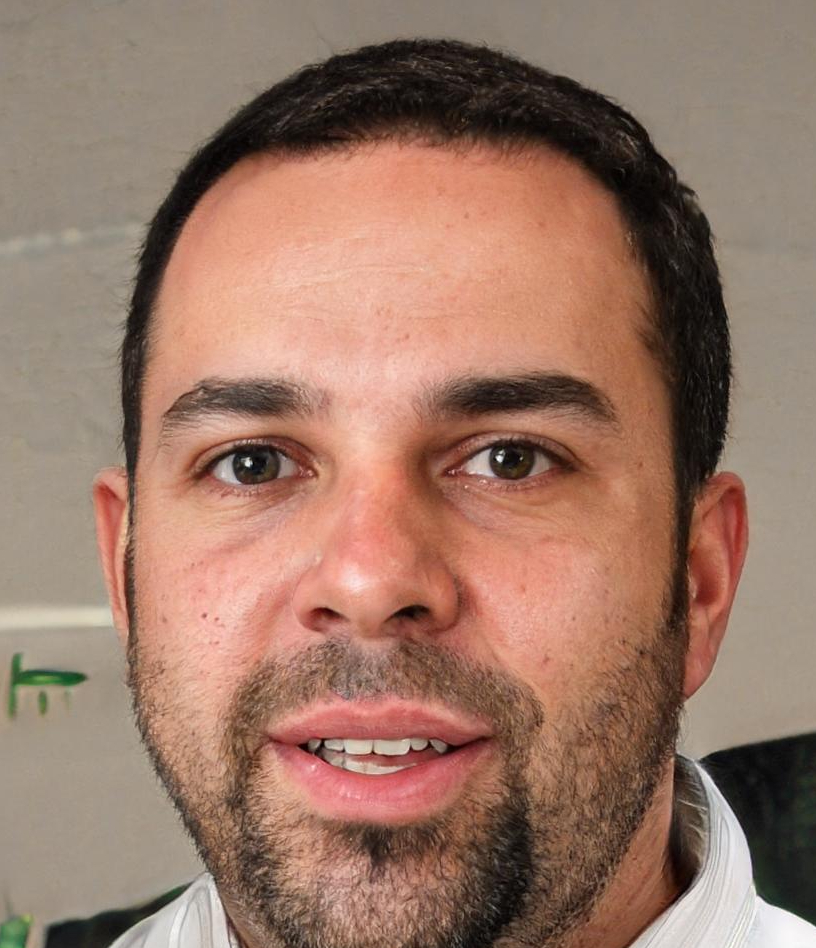
Kulev’s €2.8M EPT Score: Strategic Lessons from Monte Carlo
Bulgarian pro Alex Kulev captured the largest buy-in event in European Poker Tour history, banking €2.79 million after defeating Bryn Kenney heads-up in the €250,000 Super High Roller at Monte Carlo. The 38-entry field created a €9.31 million prize pool, with Kulev navigating a minefield of elite opponents while his parents watched from the rail in what became a masterclass in short-stack tournament poker.
What Happened
The PokerStars EPT Monte Carlo €250,000 Super High Roller represented uncharted territory for the tour – never before had the EPT hosted an event with such a massive buy-in. When registration closed, 38 of poker’s heaviest hitters had ponied up the quarter-million euro entry fee, with only six spots paying.
Day 2 began with 14 players still in contention and Kulev sitting comfortably among the chip leaders. The bubble loomed large as stacks remained relatively shallow throughout much of the action. High-profile casualties included Mikita Badziakouski, Isaac Haxton, and Leon Sturm before the unofficial nine-handed final table took shape.
Stephen Chidwick’s elimination in ninth place ended his bid to climb the Hendon Mob All-Time Money List, while Enrico Camosci departed in eighth. Biao Ding became the unfortunate bubble boy, leaving six players to celebrate reaching the money.
Artur Martirosian fell in sixth place despite getting his chips in good, while Orpen Kisacikoglu’s short-stack shove ran into Kulev’s dominating hand. Aleksejs Ponakovs met a similar fate against Kulev’s calling range, and Chris Nguyen’s tournament ended after an ill-timed reshove against Kenney’s button open.
Heads-up play saw Kulev holding a marginal chip advantage over Kenney. The two struck a deal to flatten the payout structure, leaving €111,740 and the title to play for. The decisive hand came quickly – Kulev’s turned two pair held against Kenney’s pair and flush draw, securing the Bulgarian’s largest career score and pushing his lifetime earnings past $20 million.

The Poker Strategy Breakdown
The hands that defined Kulev’s run offer valuable insights into Super High Roller tournament strategy. His elimination of Kisacikoglu exemplifies proper calling ranges in short-stack situations. When the Turkish pro shipped approximately ten big blinds with ace-jack, Kulev’s call with ace-queen was textbook. With ICM pressure mounting and pay jumps significant, many players tighten up excessively. Kulev recognized that his hand dominated a significant portion of Kisacikoglu’s shoving range and made the mathematically correct call.
The runout brought a jack on the flop, improving both players but giving Kulev a full house when the board paired. While the result was fortunate, the decision-making process was sound – this wasn’t a gamble but a calculated call based on range advantage and pot odds.
Against Ponakovs, Kulev demonstrated another crucial skill: calling down with second pair. On a jack-high flop, Ponakovs moved all-in with ace-king, representing either a strong made hand or a draw. Kulev’s call with pocket tens showed confidence in his read. In Super High Roller events where players are capable of sophisticated bluffs and semi-bluffs, the ability to make hero calls separates good players from great ones.
The key here is understanding that Ponakovs’ range includes many hands Kulev beats – unpaired overcards, flush draws, and gutshot straight draws. While tens aren’t a premium holding, they’re ahead of enough of the shoving range to justify a call, especially with significant money on the line and pay jumps looming.
The final hand against Kenney reinforced a fundamental tournament principle: when you turn a strong hand, extract maximum value. Kulev’s two pair on the turn was well-disguised, and Kenney’s pair plus flush draw gave him plenty of equity to commit chips. Both players played their hands optimally given the information available – Kulev got maximum value from a strong but vulnerable hand, while Kenney correctly assessed his equity with multiple outs.
Reading The Field & Table Dynamics
The €250,000 buy-in level creates unique dynamics that differ significantly from standard tournament poker. With only 38 entries and six paid spots, the bubble factor became enormous. Players needed to balance survival with chip accumulation, knowing that laddering up even one spot represented hundreds of thousands of euros.
ICM considerations dominated decision-making throughout the final table. When Martirosian got his chips in with ace-jack against Nguyen’s king-nine, he was making a standard play – but the runout demonstrates how brutal variance can be when pay jumps are massive. A double-up would have given him breathing room; instead, he collected €651,700 for sixth place.
The three-handed battle between Kulev, Kenney, and Nguyen lasted considerably longer than the earlier eliminations, which is typical when skilled players recognize the value of patience. Each player understood that one mistake could cost hundreds of thousands of euros, leading to more conservative play and smaller pots.
Nguyen’s eventual elimination came from a big blind reshove against Kenney’s button open – a play that makes sense in a vacuum but proved costly when he ran into a legitimate hand. This highlights the challenge of three-handed play: you need to defend your blinds aggressively, but elite opponents will adjust by opening tighter from the button.
The heads-up deal between Kulev and Kenney reflects standard practice at this level. With both players guaranteed life-changing money and variance still significant, flattening the payout structure made mathematical sense. By setting aside €111,740 to play for, they maintained competitive integrity while reducing variance – a win-win scenario.
How To Apply This To Your Game
While most players won’t face €250,000 buy-ins, the strategic principles from this event translate across all stakes. First, understand your calling ranges in short-stack situations. When facing a shove, don’t just look at your hand in isolation – consider your opponent’s shoving range, pot odds, and ICM implications. Kulev’s call with ace-queen against Kisacikoglu’s ten-big-blind shove wasn’t heroic; it was mathematically sound.
Second, develop the courage to call down with medium-strength hands when your read suggests you’re ahead. Kulev’s call with pocket tens against Ponakovs’ ace-king demonstrates that second pair can be good enough when your opponent’s range is wide enough. In your local tournaments, this might mean calling a river bet with top pair when the action suggests your opponent is bluffing or semi-bluffing.
Third, recognize when to apply pressure and when to exercise patience. The extended three-handed battle shows that even elite players slow down when pay jumps are significant. In your tournaments, don’t feel pressured to constantly accumulate chips near the bubble or at final tables – sometimes the right play is to let your opponents battle while you preserve your stack.
Fourth, consider deal-making when appropriate. While some players view deals as weak, the Kulev-Kenney agreement demonstrates that smart players recognize when variance reduction makes sense. In your tournaments, don’t be afraid to discuss deals at final tables, especially when pay jumps are significant relative to your bankroll.
Finally, study how elite players extract value from strong hands. Kulev’s play with turned two pair wasn’t fancy – he simply got his chips in when ahead. Too many amateur players try to get creative with strong hands, slow-playing or making small bets that allow opponents to realize their equity cheaply. When you turn a strong hand, especially one that’s vulnerable to draws, bet for value and don’t be afraid to get stacks in.
Key Takeaways
- Calling ranges matter more than most players realize: Kulev’s success came partly from making correct calls with hands like ace-queen and pocket tens, not just from playing premium holdings aggressively.
- ICM pressure changes optimal strategy: The bubble and pay jump dynamics in this event led to more conservative play than cash game or early tournament situations would dictate.
- Short-stack poker requires mathematical precision: With stacks shallow throughout much of the final table, players needed to understand push-fold ranges and calling frequencies to survive.
- Deal-making is a tool, not a weakness: The heads-up agreement between Kulev and Kenney reduced variance while maintaining competitive integrity – a hallmark of professional poker.
- Value betting strong-but-vulnerable hands wins tournaments: Kulev’s willingness to get chips in with two pair, full houses, and dominating hands separated him from the field.
- Elite fields require elite adjustments: Against opponents capable of sophisticated plays, standard ABC poker isn’t enough – you need to make hero calls and thin value bets to maximize expectation.
Frequently Asked Questions
What was the largest buy-in EPT event before this tournament?
Prior to the €250,000 Super High Roller at EPT Monte Carlo, the European Poker Tour had not hosted an event with such a massive buy-in. This tournament represented new territory for the tour, attracting an elite field of 38 entries and creating a €9.31 million prize pool with only six spots paying.
How did the deal between Kulev and Kenney work?
When play reached heads-up, Kulev held a slight chip lead over Bryn Kenney. The two players agreed to split most of the remaining prize pool, setting aside €111,740 to play for along with the title. This type of deal is common in high-stakes tournaments as it reduces variance while maintaining competitive integrity and giving both players incentive to win.
What are the key strategic differences in Super High Roller events compared to regular tournaments?
Super High Roller events feature several unique dynamics: extremely shallow fields where every player is elite-level, massive pay jumps that create significant ICM pressure, and shorter stack depths that require precise push-fold and calling range knowledge. Players also tend to be more willing to make deals and adjust their strategies based on opponent tendencies, as everyone at the table is a known quantity with extensive history.
Final Thoughts
Alex Kulev’s victory in the largest buy-in EPT event ever held demonstrates that success at poker’s highest levels requires more than just playing premium hands aggressively. His path to the €2.79 million first prize involved making correct calls with medium-strength holdings, understanding ICM implications, and extracting maximum value from strong hands. While his parents watching from the rail added emotional significance, the victory itself was built on solid fundamentals and precise execution.
For Bryn Kenney, the runner-up finish protected his position atop the poker world’s money rankings while adding another seven-figure score to his resume. The heads-up deal ensured both players walked away with life-changing money, demonstrating that even at the highest levels, smart players recognize when variance reduction makes mathematical sense.
The strategic lessons from this event – proper calling ranges, ICM awareness, value betting, and patient play when appropriate – apply across all tournament formats and buy-in levels. Whether you’re playing a €250,000 Super High Roller or your local weekly tournament, the principles remain the same: understand your ranges, make mathematically sound decisions, and don’t be afraid to trust your reads when the situation demands it.
Ready to Sharpen Your Poker Game?
Master your poker game with expert hand analysis