Lendel’s Borgata Win Shows Power of Short Stack Patience
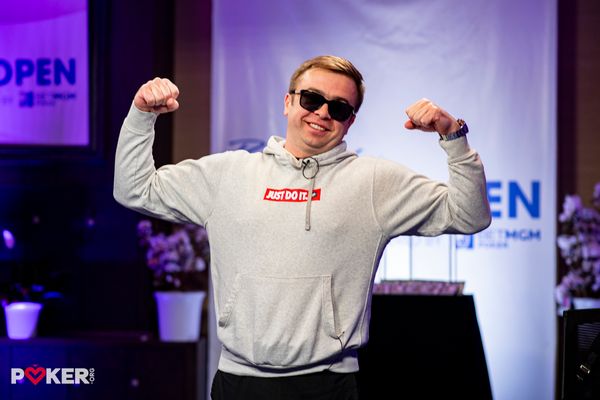
Mykhailo Lendel turned a five-big-blind stack into a $147,650 payday at the Borgata Spring Poker Open, claiming victory in the $500 Almighty Stack event. The Ukrainian pro’s triumph marks another milestone in a career that’s accumulated over $1.4 million in just four years since his first tournament buy-in.
What Happened
The Borgata Spring Poker Open $500 Almighty Stack attracted 2,240 entries, generating a prize pool of $940,800. After two days of intense competition, Lendel emerged victorious, defeating Rob Pagano in heads-up play to secure the top prize.
The tournament field was whittled down to just 281 paid positions, with the final table featuring a mix of seasoned regulars and emerging talent. Lendel entered the final day in fourth position among six remaining players, having endured a brutal three-hour card drought late on Day 2 that saw him plummet from chip leader to short stack.
The final table action kicked off with rapid eliminations. Anthony Cuffari exited in sixth place for $23,565, followed by Ariel Herzog in fifth for $30,825. Josh Sulzman’s tournament ended in fourth place, earning $45,300. Patrick McConnell’s deep run concluded in third for $68,450, setting up the heads-up battle between Lendel and Pagano.
Despite Pagano’s valiant effort to overcome a significant chip disadvantage, Lendel’s aggressive play and timely card distribution sealed the victory. The runner-up collected $100,200 for his efforts, pushing his career earnings past the quarter-million mark to $249,093.
The Poker Strategy Breakdown
Lendel’s path to victory showcases several crucial tournament poker concepts that separate champions from also-rans. His ability to navigate extreme short-stack situations demonstrates masterful ICM awareness and push-fold mathematics.
When reduced to just five big blinds during Day 2, Lendel didn’t panic. Instead, he waited for premium spots to commit his chips, successfully doubling and tripling up to rebuild his stack. This patience is critical in tournament poker—many players feel pressured to gamble with marginal holdings when short, but disciplined stack preservation often yields better results.
The blind-versus-blind confrontation where Lendel held pocket fours against Sulzman’s king-queen perfectly illustrates proper short-stack defense ranges. With antes in play and shallow effective stacks, pocket pairs become premium holdings worth committing chips. Lendel’s willingness to get it in with a pair demonstrates sound tournament fundamentals.
During heads-up play, Lendel’s approach shifted dramatically. Starting with a 6:1 chip advantage, he applied relentless pressure, forcing Pagano into difficult decisions for his tournament life. When Pagano managed to close the gap to under 2:1, Lendel didn’t tighten up—he continued his aggressive style, eventually flopping two pair against Pagano’s pocket queens to reassert dominance.
The final hand exemplified proper big-stack heads-up strategy. Holding ace-jack against Pagano’s ace-five, Lendel had his opponent dominated. With such a commanding chip lead, he could afford to call wider ranges, knowing that even losing the pot wouldn’t cripple his stack. This mathematical flexibility is a huge advantage in heads-up situations.
Reading The Field & Table Dynamics
The final table dynamics shifted dramatically throughout the session, creating opportunities for observant players to exploit. James McConnell’s early aggression transformed him from short stack to chip leader within minutes, demonstrating how quickly tournament fortunes can change.
Lendel’s ability to read these shifting dynamics proved crucial. After his difficult end to Day 2, he could have adopted a conservative approach, hoping to ladder up the pay jumps. Instead, he recognized that rebuilding his stack early would give him the ammunition needed to apply pressure later.
The Herzog elimination marked a turning point. By winning that crucial flip, Lendel not only doubled his stack but also eliminated a dangerous opponent, reducing the field to four players. In tournament poker, winning key all-in situations often creates momentum that carries through to victory.
ICM considerations heavily influenced play at the final table. With significant pay jumps between positions, shorter stacks like Pagano benefited from watching bigger stacks clash. When Lendel eliminated McConnell in a cooler situation, Pagano earned an additional $30,000 simply by surviving, despite not being involved in the hand.
Lendel’s heads-up strategy reflected proper ICM understanding. With such a massive chip lead, he could afford to apply maximum pressure, knowing that Pagano needed to win multiple all-ins to have a realistic chance. This aggressive approach forced his opponent into difficult spots with marginal holdings.
How To Apply This To Your Game
Lendel’s performance offers several actionable lessons for tournament players at all levels. First, embrace short-stack situations as opportunities rather than disasters. Many players compound their problems by making desperate moves with weak holdings. Instead, tighten your range, wait for premium spots, and trust the mathematics of push-fold play.
When you find yourself short-stacked, focus on hands that play well all-in: pocket pairs, broadway cards, and suited connectors in position. Avoid the temptation to gamble with dominated hands like king-jack or ace-rag offsuit unless you’re in the blinds facing a steal attempt.
Mental game management proved critical for Lendel. After a brutal Day 2 ending, he could have carried that frustration into the final table. Instead, he used the overnight break to reset mentally, even though sleep proved elusive. Recognize that tournament poker involves significant variance—bad runs happen to everyone. Your response determines your results.
Study blind-versus-blind dynamics extensively. These situations occur frequently in tournament play, and many players struggle with proper ranges. Lendel’s willingness to commit with pocket fours demonstrates understanding of how hand values shift in these scenarios. Expand your defending range from the big blind, especially against aggressive button and small blind players.
In heads-up situations with a chip lead, maintain aggression. Too many players shift into conservative mode, allowing short stacks to double up repeatedly. Apply consistent pressure, force your opponent to make difficult decisions, and leverage your stack to see more flops in position.
Finally, set clear goals for your poker career. Lendel mentioned that he doesn’t have extensive time to study due to business commitments, but when he plays, he plays to win. This championship mentality—aiming for first place rather than min-cashes—separates winners from break-even players.
Key Takeaways
- Short-stack patience pays dividends—Lendel rebuilt from five big blinds to champion by waiting for premium spots rather than forcing action with marginal holdings
- Mental reset between sessions is crucial—despite a difficult Day 2 ending and sleepless night, Lendel maintained composure and executed his game plan on the final day
- Blind-versus-blind confrontations require adjusted ranges—pocket pairs gain significant value in these spots, especially with shallow effective stacks
- Chip leads in heads-up play should be leveraged aggressively—relentless pressure forces opponents into difficult decisions and prevents comebacks
- ICM awareness creates profit—understanding pay jump implications helps optimize decisions at final tables, particularly when other players clash
- Rapid career progression is possible with focused goal-setting—Lendel accumulated over $1.4 million in four years by playing to win rather than just cash
Frequently Asked Questions
How did Mykhailo Lendel recover from being short-stacked?
Lendel demonstrated exceptional patience when reduced to five big blinds, waiting for premium hands to commit his chips. He successfully doubled and tripled up by making disciplined all-in decisions rather than gambling with marginal holdings. This approach allowed him to rebuild his stack and eventually claim victory.
What was the key hand in Lendel’s victory?
The pivotal moment came when Lendel flopped two pair against Pagano’s pocket queens during heads-up play. This hand allowed him to reassert his chip lead after Pagano had closed the gap to less than 2:1. The final hand saw Lendel’s ace-jack dominate Pagano’s ace-five to seal the championship.
How much has Mykhailo Lendel earned in his poker career?
Following his Borgata Spring Poker Open victory, Lendel’s career tournament earnings surpassed $1.4 million. Remarkably, he achieved this in just four years since buying into his first tournament. His breakout year came in 2024 when he earned approximately $800,000, including a seventh-place finish in the WPT Championship.
Final Thoughts
Mykhailo Lendel’s Borgata Spring Poker Open triumph reinforces fundamental tournament poker principles that often get overlooked in the pursuit of advanced strategies. His patient approach to short-stack play, mental resilience after setbacks, and aggressive heads-up execution created a blueprint for tournament success.
What makes Lendel’s achievement particularly impressive is his limited study time due to business commitments. This proves that focused, goal-oriented play can overcome the volume-based approach many professionals advocate. Quality decisions in crucial moments matter more than endless hours of solver study—though combining both certainly helps.
As the Borgata Spring Poker Open continues with its $2,700 Championship event, Lendel’s performance serves as inspiration for aspiring tournament players. Whether you’re grinding $500 events or taking shots at higher stakes, the principles remain constant: patience in adversity, aggression when opportunity strikes, and unwavering focus on winning rather than merely cashing.
Ready to Sharpen Your Poker Game?
Master your poker game with expert hand analysis