Mystery Bounty Strategy: When to Pull Your Envelope at WSOP
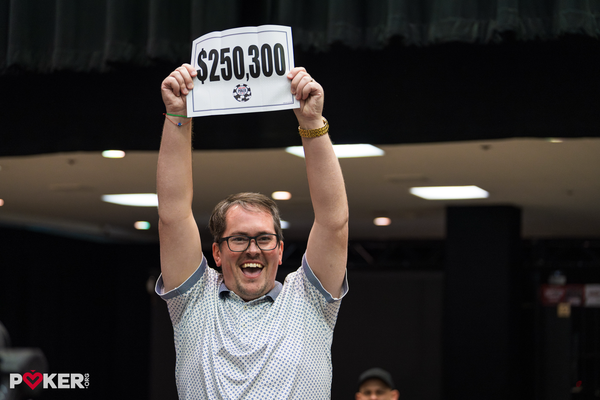
A Nebraska poker player’s $250,000 bounty score at the 2026 WSOP Mystery Millions highlights one of tournament poker’s most underrated strategic decisions: timing your bounty pull. Jacob Long’s journey from reluctant road-tripper to quarter-million-dollar winner offers valuable lessons about maximizing edge in mystery bounty formats.
What Happened
Jacob Long from Omaha, Nebraska, wasn’t planning an extended Las Vegas grind this summer. As the Major Series of Poker Tour Player of the Year, he’d earned a free WSOP Main Event seat and intended to play selectively around his brother’s Wyoming wedding. But when friends offered an early ride west, Long made the spontaneous decision that would change his summer.
The $550 Mystery Millions became Long’s focus despite his admitted ambivalence toward the format. After struggling through early bullets and a disastrous three-entry Friday night at Wynn’s $1,100 Turbo, Long finally caught fire Saturday morning. He bagged over 1.6 million chips on Day 1, positioning himself as the biggest stack at his table entering Day 2.
The chip lead created prime bounty-hunting opportunities. Long eliminated his first player with pocket kings versus ace-king, then knocked out a short stack shortly after. But rather than immediately cashing his envelopes, Long made a calculated wait—understanding that the early Day 2 period represented peak bounty accumulation time.
Only after watching a tablemate pull $10,000 did Long join the queue. His first envelope revealed the Gold Chest, guaranteeing a hopper pull with Jeff Platt for up to $1 million. The second envelope contained just $500. When two envelopes stuck together during his Gold Chest pull, Long selected one randomly—it contained $250,000.
The Poker Strategy Breakdown
Long’s hesitation before pulling his bounties reveals sophisticated tournament thinking that most recreational players miss. Mystery bounty events create a unique strategic tension: the value of staying at your table with a big stack versus the potential upside of claiming your prizes.
With 1.6 million chips and table dominance, Long recognized his positional advantage. Every short stack represented another bounty opportunity, and leaving the table meant surrendering control during critical early Day 2 action. This calculation becomes especially important when you’re the table’s primary aggressor—other players’ bounties flow through you.
The decision matrix changes based on several factors. Queue length matters significantly; Long noted it was “a long queue,” meaning extended time away from his stack. Tournament stage matters too—Long correctly identified the first two hours of Day 2 as prime bounty accumulation time, when short stacks are most vulnerable and antes haven’t yet pressured medium stacks into desperation.
Long’s initial bounty came from a standard spot: pocket kings versus ace-king. But he’d already missed two ace-king versus ace-king situations where he held freeroll potential. This variance underscores why chip accumulation matters more than bounty hunting in mystery formats. You need the ammunition to take multiple shots, as any individual confrontation might not convert.
The trigger for Long’s queue decision—watching another player pull $10,000—demonstrates social proof influence. Seeing real money extracted validates the decision to leave chips unattended. It’s a psychological tell that even experienced players experience: confirmation that the opportunity cost of leaving might be worthwhile.
Reading The Field & Table Dynamics
Long’s table awareness extended beyond chip counts. He understood that his big stack created a protection bubble for other players. When the table’s dominant force leaves for 15-20 minutes, medium stacks can breathe, and other big stacks can attack without fear of three-bet pressure.
This dynamic becomes particularly relevant in mystery bounty formats where everyone’s hunting. A big stack’s absence creates a temporary power vacuum. Aggressive players will recognize the opportunity to accumulate bounties without resistance from the table captain. Long weighed this cost against his bounty potential—a calculation that becomes easier when you’ve already secured two envelopes.
The early Day 2 timing matters for another reason: player elimination rates. The first two hours typically see the highest bust-out frequency as short stacks make desperate moves and medium stacks test their spots. Missing this window means fewer total bounty opportunities before the field consolidates.
Long’s experience also highlights the importance of flip equity in mystery bounty events. He won his first bounty with a standard equity advantage (kings versus ace-king), but his earlier missed freerolls with ace-king versus ace-king represented squandered opportunities. In formats where eliminations carry extra value, winning your equity share becomes even more critical.
The table’s reaction to the $10,000 pull likely influenced other players’ decisions too. When someone scores big, it creates contagious behavior—suddenly everyone wants to check their envelopes. Long recognized this momentum shift and used it to justify his own queue visit without appearing to abandon his strategic advantage.
How To Apply This To Your Game
The primary lesson from Long’s score isn’t about luck—it’s about maximizing your edges when they appear. If you build a big stack in a mystery bounty event, resist the temptation to immediately cash envelopes. Your chip advantage represents future bounty potential that compounds with each elimination.
Evaluate queue length before leaving your seat. If the line stretches 20+ players, you’re looking at 15-30 minutes away from your stack. That’s multiple orbits of missed opportunities. Consider waiting for a natural break, table change, or until you’ve accumulated three or more envelopes to make the trip worthwhile.
Pay attention to tournament stage when deciding to pull. Early Day 2, bubble periods, and the final two tables represent peak bounty value times. These stages see accelerated eliminations and desperate plays. Being present with a big stack during these windows matters more than claiming your $500 envelope immediately.
Don’t let other players’ big pulls pressure you into suboptimal timing. Long waited until he’d secured two envelopes and observed the table dynamics before joining the queue. Just because someone pulled $25,000 doesn’t mean your equity situation has changed—make decisions based on your stack, position, and table conditions.
Understand that mystery bounty formats reward chip accumulation more than traditional tournaments. Every elimination provides additional lottery tickets. This means slightly wider calling ranges against short stacks and more aggression in bounty spots, even when the immediate pot odds appear marginal. The envelope’s expected value supplements the pot.
Finally, recognize when variance isn’t breaking your way and adjust. Long fired multiple bullets in both the Mystery Millions and the Wynn event before finding traction. Mystery bounty formats have higher variance than standard tournaments—the bounty distribution adds another luck layer. Proper bankroll management becomes essential when firing multiple entries.
Key Takeaways
- Delay pulling bounty envelopes when you hold a dominant chip position at your table—your stack represents future bounty opportunities that compound
- The first two hours of Day 2 in mystery bounty events create peak elimination rates; being present with chips matters more than immediately claiming prizes
- Queue length significantly impacts the opportunity cost of leaving your table; wait until you’ve accumulated multiple envelopes to justify extended absence
- Mystery bounty formats require wider calling ranges against short stacks because envelope expected value supplements pot odds
- Don’t let other players’ big scores pressure you into abandoning strategic advantages—make timing decisions based on your specific situation
- Variance runs higher in mystery bounty events; proper bankroll management and multiple bullet tolerance become more important than in standard tournaments
Frequently Asked Questions
Should you always wait to pull bounty envelopes in mystery bounty tournaments?
Not always. The decision depends on your chip stack, table position, tournament stage, and queue length. With a big stack during peak elimination periods (early Day 2, bubble, final tables), waiting maximizes your bounty accumulation opportunities. With a short or medium stack, or during slower tournament phases, pulling immediately makes more sense since you’re less likely to score additional bounties quickly.
How does mystery bounty format change optimal tournament strategy?
Mystery bounties add expected value to every elimination, justifying slightly wider calling ranges against short stacks and more aggressive play in bounty spots. The format rewards chip accumulation more than standard tournaments because your stack represents future lottery tickets. You should also consider firing more bullets since the bounty upside can offset multiple buy-ins with a single big pull.
What’s the best way to manage bankroll for mystery bounty events?
Plan for higher variance than standard tournaments. The bounty distribution adds another luck layer beyond normal poker variance. Budget for 3-5 bullets if the field is soft and the top bounties justify the investment. Consider selling action to friends if you’re firing multiple entries, as Long did. Never let mystery bounty upside tempt you into playing above your bankroll comfort zone.
Final Thoughts
Jacob Long’s $250,000 score demonstrates that mystery bounty success requires more than running hot—it demands strategic thinking about timing, position, and opportunity cost. His decision to delay pulling envelopes while maintaining table dominance shows the sophisticated calculations that separate winning players from those who simply chase variance.
The broader lesson extends beyond mystery bounty formats. Poker rewards players who recognize when they hold temporary advantages and exploit them fully before circumstances change. Long’s big stack on early Day 2 represented a fleeting edge—one that would diminish as blinds increased and the field consolidated. He maximized that window before cashing his lottery tickets.
Whether you’re playing $550 mystery bounties or $10,000 high rollers, the principle remains constant: understand what edges you hold, when they’re most valuable, and how long they’ll last. Sometimes that means taking the spontaneous road trip. Sometimes it means staying at your table when everyone else is rushing to pull envelopes. The players who consistently make correct timing decisions are the ones who turn good fortune into sustained success.
Ready to Sharpen Your Poker Game?
Master your poker game with expert hand analysis