Moneymaker’s Bubble Bust: When ICM Pressure Meets Reality
Chris Moneymaker’s 2026 WSOP Main Event run ended in the most brutal way possible—busted on the money bubble with a full house against pocket aces. The 2003 champion was one of three players eliminated on a single chaotic hand that saw six all-ins simultaneously, creating one of the most dramatic bubble moments in recent Main Event history.
What Happened
Day 4 of the 2026 WSOP Main Event started with tension hanging thick in the Rio Convention Center. Seven players stood between the field and the money, with 1,382 spots paying out. Tournament organizers expected a grinding, hand-for-hand marathon. Instead, they got absolute chaos.
The first hand of the day eliminated six players before hand-for-hand play even officially began. Tournament Director Jack Effel and his staff scrambled to implement bubble procedures with just one elimination remaining. What should have been a carefully orchestrated process turned into a mad dash across the tournament floor.
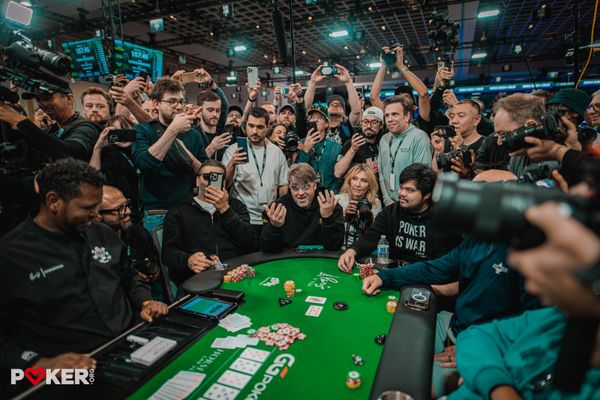
On the second official hand-for-hand attempt—the third hand of Day 4 overall—six players found themselves all-in across multiple tables. At Table #169, Moneymaker sat with a full house on a board showing three hearts and paired cards. His opponent, Antonio Vargas, held pocket aces that had rivered a bigger boat.
The action went in on the river. Moneymaker, who started the day with a comfortable 200,000+ stack, made his move at the wrong moment. When the cards were revealed, Vargas’s aces full sent the 2003 champion packing. Three players busted on that single hand, including another former Main Event champion—Stoyan Madanzhiev, winner of the 2020 Online Main Event.
The three bubble casualties split two min-cashes worth $10,000 each and earned entry into a heads-up shootout for a $25,000 WSOP Paradise Super Main Event seat. Zhaken Seitbekov claimed that consolation prize with king-high, while Moneymaker headed back to his Guest Editor duties for the WSOP.
The Poker Strategy Breakdown
Moneymaker’s elimination hand presents a fascinating case study in river decision-making under extreme pressure. With a full house on a paired board with a flush possibility, he faced a situation where his hand looks absolutely massive—until it doesn’t.
The board texture matters enormously here. When you flop or turn a full house, your mind immediately goes to value extraction mode. The question becomes: what hands can pay you off? In Moneymaker’s case, he likely put Vargas on a range that included overpairs, two-pair combinations, or possibly a flush if the heart draw completed.
River play with full houses requires careful consideration of your opponent’s range and betting patterns throughout the hand. If Vargas showed strength on earlier streets, that’s a red flag. Pocket aces that improve to a bigger boat are exactly the type of hand that creates these cooler situations. Without knowing the preflop and flop action, we can infer that both players felt confident enough to commit their tournament lives on the bubble.
The timing of the all-in matters too. River shoves represent polarization—you’re either bluffing or have a monster. On a board this coordinated, bluffs become less credible because so many value hands exist. When Vargas pushed or called on the river, his range should be heavily weighted toward premium holdings that beat most full houses.
This is where hand reading becomes critical. Against an unknown opponent, calling off your stack with a full house on the bubble might seem mandatory. Against a tight player who’s shown consistent strength, alarm bells should ring. The phrase “wrong read, wrong time” from Moneymaker himself suggests he recognized the error in retrospect.
Reading The Field & Table Dynamics
Bubble play in the WSOP Main Event creates unique pressure that doesn’t exist at any other tournament stage. With 1,382 players about to lock up a $10,000 min-cash, the Independent Chip Model (ICM) implications become severe. Every decision carries amplified risk.
Starting Day 4 with over 200,000 chips, Moneymaker wasn’t in immediate bubble danger. This actually creates a strategic advantage—you can apply pressure to medium stacks who desperately want to slide into the money. However, this advantage evaporates when you run into a genuine monster hand.
The fact that six players were all-in simultaneously on the bubble hand tells us something important about table dynamics that morning. Either multiple tables saw premium confrontations at once, or short stacks were making their stands knowing hand-for-hand play meant survival mode for everyone else.
ICM pressure affects different stack sizes in distinct ways. Big stacks can bully, but they also have the most to lose in terms of real money equity. Medium stacks face excruciating decisions—one wrong move means hours of poker for nothing. Short stacks must gamble, but timing those gambles becomes an art form.
Moneymaker’s situation demonstrates how quickly comfort zones disappear. One hand transforms you from safely in the money to the most famous bubble story of the tournament. This psychological element affects decision-making in subtle ways. Players start seeing monsters under the bed, or conversely, they convince themselves their strong hands must be good because folding feels too painful.
The presence of cameras and crowds around Table #169 adds another layer. Playing under scrutiny changes nothing about the math, but it absolutely affects the human behind the cards. Moneymaker has spent two decades in poker’s spotlight, yet even champions feel the weight of those moments.
How To Apply This To Your Game
The lessons from this hand extend far beyond WSOP Main Event bubbles. Every tournament player faces similar situations where strong hands meet stronger hands at the worst possible time.
First, develop a systematic approach to river decision-making with very strong hands. Before committing your stack, ask yourself: what hands am I beating that would play this way? What hands beat me that would play this way? If the second list is longer or more likely, you need to seriously consider folding—even with a full house.
Second, recognize that bubble dynamics require adjustments to your standard ranges. Hands that are snap-calls in normal circumstances become marginal when ICM pressure spikes. This doesn’t mean playing scared, but it does mean being more selective about spots where you risk your entire stack.
Third, pay attention to your opponents’ tendencies before crucial hands develop. If you haven’t been observing betting patterns, timing tells, and showdown hands, you’re flying blind when big decisions arrive. Moneymaker’s comment about the “wrong read” suggests he had a read—it just proved incorrect. Having reads and adjusting them is better than having no reads at all.
Fourth, practice range visualization in real-time. When facing a river shove, pause and mentally list the specific hand combinations your opponent could hold. Write them down if you’re playing online. This exercise forces your brain out of “I have a full house!” mode and into analytical thinking.
Finally, accept that sometimes you’re going to get coolered. Poker’s beauty and brutality lie in its variance. Even perfect decisions lose sometimes. The goal isn’t to never bust with strong hands—it’s to minimize the frequency of avoidable mistakes while maximizing value in favorable spots.
Key Takeaways
- Strong hands aren’t invincible—board texture and opponent actions matter more than your absolute hand strength in determining correct river decisions
- Bubble ICM pressure should tighten your calling ranges even with premium holdings, especially when facing significant aggression from capable opponents
- Hand reading requires continuous observation throughout the tournament, not just during the hand you’re playing
- Stack size relative to the bubble creates different strategic obligations—comfortable stacks can still find themselves in disaster spots within a single hand
- Range visualization and systematic decision-making processes help combat the emotional pull of folding strong hands
- Even poker legends make mistakes under pressure—the key is learning from them rather than repeating them
Frequently Asked Questions
Should you ever fold a full house on the river in a tournament?
Yes, absolutely. While full houses are extremely strong hands, they’re not unbeatable. On paired boards, bigger full houses are always possible. When facing significant river aggression from a tight player who has shown strength throughout the hand, folding a small full house can be the correct play. The key is accurately assessing your opponent’s range and determining whether enough worse hands would play the same way to make calling profitable.
How does ICM pressure affect bubble play in major tournaments?
ICM (Independent Chip Model) pressure dramatically changes optimal strategy on tournament bubbles. Because chips lost are worth more than chips won due to the min-cash threshold, players should tighten their calling ranges and avoid marginal spots. Big stacks gain fold equity but must be careful not to spew chips in unnecessary confrontations. Medium stacks face the most pressure, as one mistake means hours of play with no return. Short stacks must gamble but should choose their spots carefully, targeting players who can’t afford to call without premium holdings.
What is the WSOP Main Event bubble consolation prize?
Players who bubble the WSOP Main Event in a tie receive a split of the min-cash payouts plus entry into a special tournament to determine who receives a $25,000 seat to the WSOP Paradise Super Main Event in The Bahamas. This consolation structure ensures that players who bubble simultaneously don’t walk away completely empty-handed, though it’s obviously far less than making the money outright. The format varies but typically involves a quick shootout or single-hand runout to determine the Paradise seat winner.
Final Thoughts
Chris Moneymaker’s bubble elimination serves as a powerful reminder that poker humbles everyone eventually. The man who sparked the poker boom with his 2003 Main Event victory found himself on the wrong end of a cooler at the worst possible moment. His grace in defeat—immediately acknowledging the misread and moving forward—demonstrates the mindset that separates professionals from amateurs.
The strategic lessons here extend beyond any single hand. Tournament poker requires constant adjustment to changing dynamics, accurate hand reading under pressure, and the discipline to make difficult folds even when your hand looks beautiful. Moneymaker’s situation wasn’t a clear-cut error—it was a marginal spot that went wrong. These are the hands that define tournament results over time.
For players at every level, studying high-pressure situations like bubble hands provides invaluable learning opportunities. The next time you face a river decision with a strong but vulnerable hand, remember this moment. Ask yourself the hard questions about your opponent’s range. Consider the tournament context. And don’t let the strength of your holding blind you to the possibility that you’re beaten. That discipline, applied consistently, is what transforms good players into great ones.
Ready to Sharpen Your Poker Game?
Master your poker game with expert hand analysis