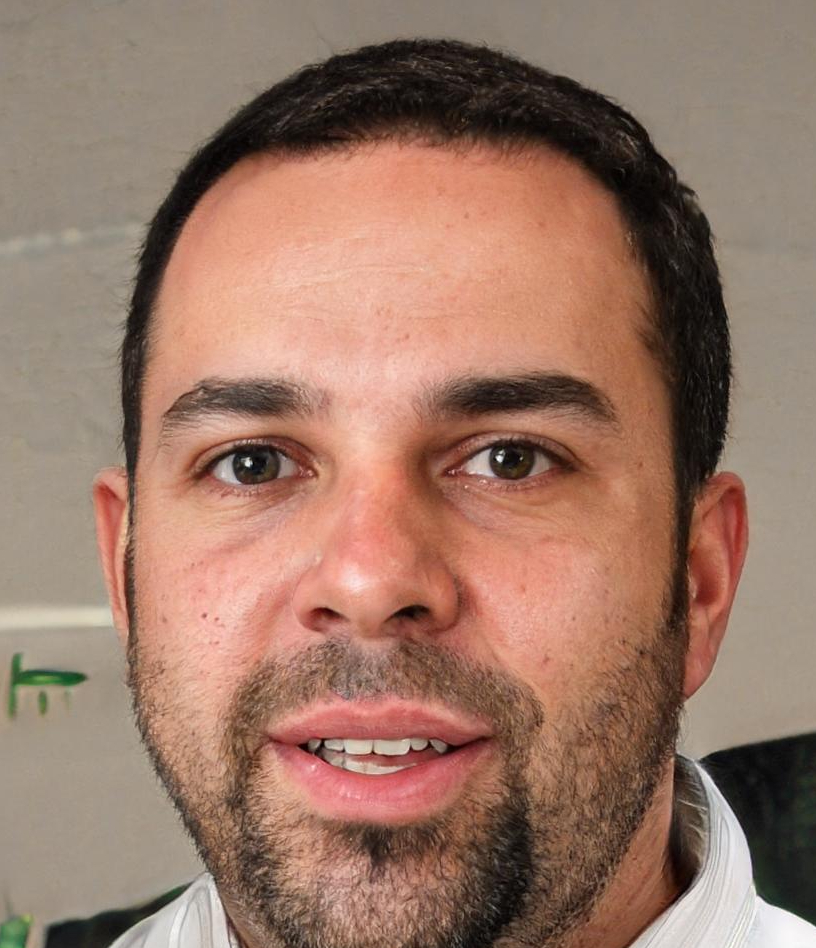
Todd Brunson’s Main Event Run: Legacy, Strategy & Lessons
Todd Brunson is battling through the 2026 WSOP Main Event with 42 players remaining, exactly five decades after his legendary father Doyle captured the first of his back-to-back championship titles. The younger Brunson sits with 15 million chips and a genuine chance at poker immortality, though a brutal runner-runner beat just before dinner break cost him a premium stack position.
What Happened
The 2026 World Series of Poker Main Event has reached its critical Day 7 stage, with Todd Brunson positioned among the final 42 competitors vying for a $10 million first-place prize. The timing carries extraordinary significance—1976 marked Doyle Brunson’s first Main Event victory in a 22-player, winner-take-all format that paid $220,000.
Todd’s tournament took a dramatic swing during a featured table hand against Tolga Karakaya. With all chips committed preflop, Brunson’s pocket aces dominated Karakaya’s king-jack offsuit. The flop appeared to seal the pot, but running kings and jacks on the turn and river delivered a crushing two-outer that cost Todd approximately 8 million chips—dropping his stack from a commanding 23 million to his current 15 million.
Despite the setback, Brunson maintained composure with the seasoned reaction of a player who’s witnessed decades of variance. His poker resume includes a 2005 Omaha Hi/Lo bracelet worth $255,945 and a $500,000 Invitational score in 2006. His deepest Main Event run came in 1992 with a 13th-place finish, plus a 154th-place result in 2016’s massive 6,737-player field.
The contrast between eras is staggering. Doyle’s 1976 victory came against 21 opponents; Todd has already outlasted 9,166 eliminated players. The bracelet, however, remains unchanged—the ultimate symbol of poker excellence that transcends generations.

The Poker Strategy Breakdown
The hand that crippled Todd’s stack offers crucial insights into deep Main Event strategy. Getting all-in preflop with pocket aces against king-jack represents textbook correct play, but the situation reveals important strategic considerations for tournament poker at this stage.
With 42 players remaining and massive pay jumps on the horizon, some players might question the wisdom of committing their entire stack preflop—even with premium hands. This thinking, however, fundamentally misunderstands optimal tournament strategy. When you hold pocket aces with significant blinds and antes in play, you must maximize value and accept the inherent variance.
The mathematics are unambiguous: pocket aces versus king-jack offsuit is approximately an 87-13 proposition. Over the long term, getting your stack in as an 87% favorite generates enormous expected value. The fact that Karakaya hit his 13% doesn’t change the correctness of the decision—it simply represents the unavoidable variance inherent in tournament poker.
What separates elite players like Todd from recreational competitors is the emotional response to these situations. His composed reaction—a wry smile and immediate refocus—demonstrates the psychological resilience required for deep tournament runs. Tilt after a bad beat at this stage can quickly transform into tournament elimination.
The preflop all-in also highlights an important strategic principle: at this stage of the Main Event, with average stacks around 13-14 million and blinds escalating, players cannot afford to let premium hands go to waste. Pocket aces don’t arrive frequently enough to play them cautiously when facing aggression. The goal isn’t merely to survive—it’s to accumulate chips for a realistic shot at the final table.
Reading The Field & Table Dynamics
Todd’s middle-of-the-pack position with 42 players remaining presents both opportunities and challenges. The tournament has entered its most treacherous phase—deep enough that every decision carries massive financial implications, yet still too far from the final table to employ ultra-conservative strategies.
Independent Chip Model (ICM) considerations become paramount at this juncture. The pay jumps between finishing 42nd and reaching the final nine players are substantial, creating pressure to avoid marginal spots. However, ICM can also be overvalued by players who tighten up excessively, allowing aggressive competitors to accumulate chips through relentless pressure.
Todd’s assignment to a featured table introduces additional dynamics. Playing under television lights with rail support from poker legends like Phil Hellmuth creates both advantages and potential distractions. The visibility can provide psychological confidence, but it also means opponents are acutely aware of his presence and legacy—potentially adjusting their strategies accordingly.
The field composition at this stage typically includes a mix of accomplished professionals, wealthy amateurs who’ve run hot, and emerging talent seeking breakthrough victories. Todd’s decades of high-stakes experience provide an edge in hand reading and situational awareness that newer players simply haven’t developed. He’s navigated these pressure-packed scenarios throughout his career, understanding when to apply pressure and when to exercise patience.
Table draw becomes increasingly critical with fewer players remaining. A tough table filled with experienced professionals requires tighter play and careful spot selection. A softer table with less experienced players presents opportunities for controlled aggression and chip accumulation. Todd’s ability to quickly assess table dynamics and adjust accordingly will prove essential over the remaining levels.
How To Apply This To Your Game
Todd Brunson’s Main Event run offers several actionable lessons for players at all levels. First and foremost: emotional control separates winning players from everyone else. When you make correct decisions and experience negative outcomes, your response determines whether you continue playing optimally or spiral into tilt-induced mistakes.
Develop a pre-planned mental routine for handling bad beats. This might include taking a brief walk, practicing breathing exercises, or simply reminding yourself that variance is inherent to poker. Todd’s wry smile after the runner-runner beat wasn’t just good sportsmanship—it was a deliberate emotional reset that prevented the hand from affecting subsequent decisions.
Understand when to commit your stack completely. Many intermediate players make the mistake of playing premium hands too cautiously in tournaments, hoping to avoid variance. This approach leaves massive value on the table. When you hold pocket aces or kings, especially with escalating blinds, you should generally be willing to commit your entire stack. The long-term expected value far outweighs the short-term risk of elimination.
Study ICM principles but don’t become paralyzed by them. Yes, pay jumps matter, and yes, chip preservation becomes more important as you approach the final table. However, overly tight play simply allows aggressive opponents to steal your blinds and antes repeatedly, slowly bleeding your stack into oblivion. Balance ICM awareness with the need to accumulate chips for a realistic championship run.
Leverage your table image strategically. Todd’s reputation as a skilled, aggressive player who learned from one of poker’s greatest minds creates assumptions about his play. You can similarly cultivate a table image—whether tight, aggressive, or unpredictable—and then exploit it when opponents make predictable adjustments.
Finally, embrace the long-term perspective. Todd’s been chasing the Main Event title for decades, experiencing deep runs and early exits. His persistence and continued refinement of his game positioned him for this opportunity. Your poker journey should similarly focus on continuous improvement rather than short-term results.
Key Takeaways
- Todd Brunson is among the final 42 players in the 2026 WSOP Main Event, 50 years after Doyle’s first championship victory in 1976
- A brutal runner-runner beat cost Todd approximately 8 million chips when his pocket aces were cracked by king-jack, but his composed response demonstrated elite tournament mentality
- Getting all-in preflop with premium hands like pocket aces represents correct strategy regardless of outcome—the 87% equity must be leveraged for optimal long-term results
- ICM considerations at this stage require balancing survival with chip accumulation; overly conservative play prevents realistic championship runs
- Emotional control and variance management separate elite players from the field, especially during deep tournament runs with massive pay jumps
- The Brunson legacy adds narrative weight but doesn’t change fundamental strategy—optimal play remains optimal regardless of family history
Frequently Asked Questions
How does Todd Brunson’s playing style compare to his father Doyle’s approach?
While both Brunsons are known for aggressive, fearless poker, Todd developed his game during a more analytical era with deeper strategic understanding of concepts like ICM and range construction. Doyle’s style was forged in the wild cash games of Texas, emphasizing feel and courage. Todd combines that aggressive DNA with modern tournament theory, creating a hybrid approach that respects both old-school toughness and contemporary strategy.
What are the odds of winning the WSOP Main Event from a final 42 position?
With 42 players remaining and relatively even stacks, Todd’s probability of winning is approximately 2-3% based purely on chip distribution. However, skill edge significantly impacts these odds. An elite player with Todd’s experience might have 4-5% or higher win probability against a mixed field, while a recreational player in the same position might be closer to 1-2%. The key is that everyone remaining has a realistic shot—variance over 42 players creates opportunities for any competitor.
Should you ever fold pocket aces preflop in a tournament?
In virtually all standard tournament situations, folding pocket aces preflop is incorrect. The only theoretical exceptions occur in extreme ICM situations—such as on the stone bubble of a satellite where folding guarantees a seat, or in certain final table scenarios where multiple all-ins ahead of you create a situation where calling would risk elimination while folding secures a significant pay jump. Even then, the math usually favors calling. For 99.9% of tournament situations, you should never fold pocket aces preflop.
Final Thoughts
Todd Brunson’s pursuit of the 2026 WSOP Main Event title represents more than just another deep tournament run—it’s a continuation of poker’s most storied family legacy. The symmetry of chasing the championship exactly 50 years after Doyle’s first victory adds emotional resonance to an already compelling narrative. Yet the cards don’t care about history or sentiment. Todd’s success will ultimately depend on the same factors that determine every tournament outcome: skill, decision-making, and the inevitable variance that makes poker simultaneously frustrating and thrilling.
The hand against Karakaya perfectly encapsulates tournament poker’s essence. Todd made the objectively correct decision, held a massive equity advantage, and still lost the pot. His response—composure, acceptance, and immediate refocus—demonstrates why he’s positioned for success. With 42 players remaining and $10 million awaiting the champion, every decision from this point forward carries enormous weight. Whether Todd ultimately captures the bracelet or falls short, his approach offers valuable lessons for players at every level.
The evolution from Doyle’s 22-player field in 1976 to today’s 9,208-entry behemoth illustrates poker’s remarkable growth. The strategic complexity has similarly evolved, with modern players employing sophisticated mathematical models and game theory that didn’t exist in Doyle’s era. Yet the fundamental challenge remains unchanged: navigate through a field of competitors, make optimal decisions under pressure, and run well when it matters most. Todd Brunson is doing exactly that, and the poker world is watching with anticipation.
Ready to Sharpen Your Poker Game?
Master your poker game with expert hand analysis