Poker Pro Jared Griener Robbed After WSOP Cash Collection
A prominent poker professional claims he was ambushed and robbed of his entire bankroll at a Las Vegas Airbnb rental property shortly after collecting his World Series of Poker winnings. Jared Griener, ranked second on Utah’s all-time tournament money list, says attackers were waiting inside his rental with knowledge of the door code, suggesting a targeted operation. Local authorities are investigating while the poker community debates the incident’s implications for player safety.
What Happened
Los Angeles-based poker professional Jared Griener took to social media this week with disturbing allegations about a violent robbery at his Las Vegas vacation rental. According to Griener’s account, he returned to his Airbnb property after busting from “The Closer” event and collecting his summer series payouts when two men immediately tackled him upon entry.
The assailants allegedly bound Griener with restraints before making off with his backpack containing his complete bankroll. Griener’s 2026 WSOP performance included four recorded cashes totaling $78,280, with his largest score coming from a 218th-place finish in the Main Event worth $57,500.
Local news station KSNV News 3 Las Vegas obtained doorbell camera footage from a neighboring property showing Griener in the immediate aftermath, with duct tape visibly wrapped around his hand as he sought assistance. The Metropolitan Police Department has confirmed an active investigation, though no arrests have been announced.
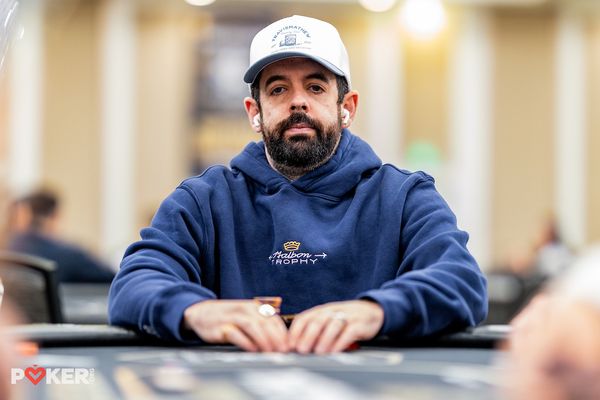
Perhaps most concerning is Griener’s assertion that the perpetrators possessed the access code to his rental property. He stated that surveillance footage from nearby residences showed the suspects arriving approximately ten minutes before he did, suggesting they had advance knowledge of his movements and return time.
The incident raises serious questions about information security in the poker ecosystem. Griener speculated that someone may have been monitoring his activities at the Rio All-Suite Hotel & Casino, tracking when he collected cash payouts and following him to his temporary residence.
Airbnb’s response has been limited according to reports, offering only a partial refund for the reservation. More significantly, Griener’s claim under the platform’s host liability insurance program had not yet been initiated at the time of initial reporting.
The Security Strategy Breakdown
This incident exposes critical vulnerabilities in how poker players handle large cash transactions during major tournament series. The traditional practice of collecting physical payouts creates predictable patterns that sophisticated criminals can exploit.
Consider the information asymmetry at play. Tournament results are publicly available in real-time through various tracking platforms and social media. Players often share their progress, cashes, and movements online, creating a digital trail that maps their activities and financial status. Meanwhile, the Rio’s payout procedures follow established schedules, making it relatively straightforward to determine when a player might be carrying significant cash.
The access code compromise represents another layer of vulnerability. Airbnb properties typically use keypad entry systems or smart locks with codes shared digitally. These codes can be intercepted through various means: compromised host accounts, phishing attacks, or even social engineering of property management staff.
Professional poker players face unique security challenges that differ from typical tourists or business travelers. They’re known to carry large sums of cash, their whereabouts are often publicly trackable, and their routines during tournament series become predictable. This creates what security professionals call a “high-value target profile.”
The timing of this attack—immediately after payout collection—suggests operational surveillance. Someone either physically followed Griener from the tournament venue or had advance knowledge of his schedule and rental location. The ten-minute head start the suspects had indicates planning and coordination rather than opportunistic crime.
From a risk management perspective, poker professionals essentially operate as cash-intensive businesses without the security infrastructure that typically protects such operations. Banks use armored transport and multiple verification systems. Casinos employ extensive security personnel and surveillance. Individual players have neither.
Reading The Field & Table Dynamics
The poker community’s reaction to Griener’s allegations has been mixed, mirroring the complex social dynamics that exist within the player ecosystem. While many expressed immediate support and concern, others voiced skepticism about the account’s veracity.
This divided response reflects an unfortunate reality in poker circles: scams and fabricated stories have occurred with enough frequency that genuine victims sometimes face unwarranted suspicion. The community has been burned before by elaborate deceptions, creating a trust deficit that complicates legitimate crisis situations.
Griener’s standing within the poker world adds credibility to his account. With a WSOP Circuit ring earned in 2023 and consistent tournament results placing him among Utah’s most successful players, he has established reputation capital. However, even accomplished players have been involved in controversies, making the community’s cautious response understandable if unfortunate.
The incident also highlights the isolation many poker players experience during major series. Unlike team sports or corporate environments with built-in support systems, poker professionals typically operate independently. They travel alone, stay in individual accommodations, and handle their own security and logistics.
This independence is part of poker’s appeal but becomes a liability in crisis situations. There’s no team manager to coordinate security, no corporate security department to consult, and no standard protocols for high-value cash handling.
How To Apply This To Your Game
Whether you’re a professional grinder or recreational player who occasionally cashes in major tournaments, this incident offers crucial lessons for personal security management.
First, minimize cash handling whenever possible. Most major tournament venues now offer wire transfer options for payouts above certain thresholds. While these may involve processing fees, consider it insurance against physical theft. The convenience of immediate cash access rarely justifies the security risks.
Second, vary your routines and maintain operational security about your movements. Avoid posting real-time updates about tournament cashes or payout collection on social media. Share your successes after you’ve secured your funds and changed locations. The dopamine hit of immediate social media validation isn’t worth compromising your safety.
Third, evaluate your accommodation security before arrival. Properties with 24-hour front desk service, security cameras, and individual room keys offer more protection than standalone rentals with shared access codes. If using vacation rentals, request unique access codes that aren’t reused between guests, and change them upon arrival if possible.
Fourth, consider the company you keep during major series. Traveling with trusted friends or sharing accommodations with other players provides both security through numbers and witnesses to your activities. Solo travel offers flexibility but increases vulnerability.
Fifth, maintain awareness of your surroundings when leaving tournament venues with cash. Vary your routes, use ride-sharing services rather than walking, and avoid predictable patterns. If you suspect surveillance, go to a public, well-lit location rather than directly to your accommodation.
Finally, document everything. If you do experience a security incident, immediate documentation—including photos, videos, witness statements, and detailed written accounts—becomes crucial for both law enforcement and any insurance claims.
Key Takeaways
- Poker professionals carrying tournament winnings in cash create high-value targets for criminals who can track public results and predict movements
- Vacation rental properties with shared access codes and minimal security infrastructure present significant vulnerabilities compared to traditional hotels
- Operational security practices—including limiting real-time social media updates and varying routines—are essential for players handling large cash amounts
- Wire transfer payout options, despite processing fees, offer superior security compared to collecting physical cash
- The poker community’s mixed response to alleged crimes reflects past deceptions but can complicate support for legitimate victims
- Personal security planning should be considered as important as bankroll management for serious tournament players
Frequently Asked Questions
Should poker players always avoid taking cash payouts from tournaments?
While wire transfers offer better security, cash payouts aren’t inherently dangerous if proper precautions are taken. For smaller amounts under a few thousand dollars, cash may be practical. For larger scores, the processing fees for electronic transfers are typically worthwhile. Consider your specific circumstances, including local banking access, travel plans, and personal security capabilities when deciding.
Are hotels safer than Airbnb rentals for poker players during tournament series?
Generally yes, established hotels offer superior security infrastructure including front desk verification, security cameras, individual room keys, and staff presence. Vacation rentals with shared access codes, limited surveillance, and no on-site personnel present more vulnerabilities. However, location, specific property features, and your security practices matter more than accommodation type alone.
How can poker players protect themselves from being followed after collecting winnings?
Maintain situational awareness when leaving payout areas. Use ride-sharing services rather than walking. Vary your routes and timing. Avoid discussing your cash or plans in public areas. If you suspect surveillance, go to a busy, well-lit public location rather than directly home. Consider having a trusted friend meet you or accompany you during payout collection for high-value amounts.
Final Thoughts
This alleged attack on Jared Griener serves as a sobering reminder that poker success creates risks extending beyond the felt. As tournament prize pools grow and results become increasingly public through real-time tracking and social media, players must evolve their security practices to match their elevated profiles.
The poker industry itself bears some responsibility for player safety. Tournament organizers, payout departments, and accommodation providers should collaborate on best practices for secure cash handling. Simple measures like private payout areas, scheduled wire transfer processing, and security awareness materials could significantly reduce player vulnerability.
For individual players, security consciousness should become as fundamental as bankroll management and game selection. The edges you work so hard to create at the tables can evaporate instantly through preventable security lapses. Whether Griener’s specific case resolves with arrests and recovery or remains unsolved, the lessons it offers about personal security in the poker ecosystem remain valuable for every player who handles significant cash during tournament series.
Ready to Sharpen Your Poker Game?
Master your poker game with expert hand analysis