Phil Hellmuth’s 18th Bracelet Dream Dies in Brutal Finish
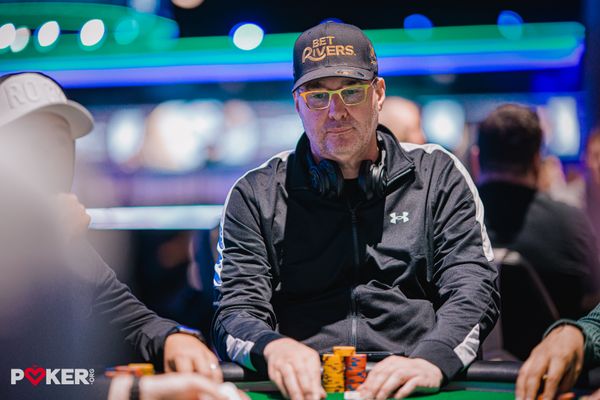
Phil Hellmuth’s quest for an 18th WSOP bracelet ended in crushing fashion as Darren Rabinowitz denied the Poker Brat in a dramatic heads-up battle at the 2026 World Series of Poker. The $5,000 No-Limit Hold’em event delivered one of the summer’s most compelling finishes, with Hellmuth forced to settle for $464,286 instead of the glory he desperately sought.
What Happened
Event #99 of the 2026 WSOP attracted 884 entries, generating a prize pool exceeding $4 million and bringing together some of poker’s elite competitors. The tournament had relocated from Paris Las Vegas to Horseshoe following the Main Event conclusion, creating an intimate end-of-series atmosphere as 72 players returned for the final day.
The field included numerous high-profile casualties. Sean Winter, Klemens Roiter, Brad Owen, Leo Margets, Artur Martirosian, and Sam Soverel all exited early on the final day. Jennifer Harman, Ren Lin, and Brian Rast followed as the tournament progressed into the money positions.
Two compelling storylines emerged as the final table approached. Nick Palma, fresh off multiple deep runs including a runner-up finish and a $431,180 score from a chop at the BetMGM Championship, was hunting his first live WSOP bracelet. His summer had been remarkable, but the elusive piece of jewelry remained just out of reach.
Hellmuth, meanwhile, was positioning himself to extend his already historic lead as poker’s most decorated champion. With 17 bracelets already secured, an 18th would create even more distance between himself and pursuers like Shaun Deeb and Benny Glaser.
The narrative intensified given the existing tension between Hellmuth and Palma, who had clashed earlier in the series. Palma had publicly stated his lack of respect for the Poker Brat, setting up what appeared to be an inevitable and explosive heads-up confrontation.
But poker rarely follows the script. Darren Rabinowitz and Nick Pupillo remained formidable obstacles, and as Pupillo departed in fifth place, the chip dynamics shifted dramatically. Rabinowitz seized control with aggressive play while shorter stacks faced increasing pressure.
Joshua Stewart’s elimination in fourth place left three players, but the anticipated Hellmuth-Palma showdown never materialized. Rabinowitz eliminated Palma in third when his ace-king held against Palma’s pocket jacks, denying the crowd their dream finale.
Hellmuth entered heads-up play as the underdog, quickly falling into a 4-to-1 chip deficit. However, a crucial hand saw Rabinowitz flop two pair only to watch Hellmuth turn a straight, completely reversing the momentum and giving the 17-time champion the chip lead.
Word spread quickly despite the late-series timing, and the rail swelled with spectators. Martin Kabrhel appeared to support Hellmuth, and the WSOP launched an impromptu live stream on X that attracted over 7,000 viewers eager to witness potential history.
The lead changed hands again after the final break, with Rabinowitz reclaiming control. On the decisive hand, Rabinowitz moved all-in on the turn, sending Hellmuth deep into the tank. Eventually committing his stack with king-ten, Hellmuth discovered he was behind to Rabinowitz’s ace-jack on a board that offered draws but no salvation. The river brick sealed Hellmuth’s fate, leaving him visibly stunned as he processed yet another near-miss at extending his record.
The Poker Strategy Breakdown
The final hand exemplifies the brutal reality of tournament poker where even legendary players face impossible decisions under extreme pressure. Hellmuth’s tank with king-ten reveals the complexity of heads-up tournament situations where stack sizes, opponent tendencies, and tournament equity all collide.
From a strategic perspective, Rabinowitz’s all-in on the turn represents aggressive heads-up play designed to apply maximum pressure. When holding ace-jack on a coordinated board, the decision to shove rather than allow a cheap river card demonstrates sound tournament strategy—denying equity realization and forcing difficult decisions.
Hellmuth’s calling range in this spot becomes incredibly wide given the heads-up dynamic and his tournament life on the line. King-ten, while behind to many value hands, has significant equity against bluffs and can dominate weaker holdings. The decision to call, while ultimately unsuccessful, falls within reasonable tournament play given the circumstances.
The earlier momentum swing—where Hellmuth turned a straight against Rabinowitz’s flopped two pair—illustrates the variance inherent in tournament poker. That single hand completely reversed a 4-to-1 chip deficit, demonstrating how quickly fortunes change in No-Limit Hold’em. Rabinowitz’s ability to recover mentally from that devastating beat and rebuild his stack shows the psychological resilience required at poker’s highest levels.
Stack depth played a crucial role throughout the final table. With shorter stacks creating push-fold scenarios, players faced increasingly binary decisions. The mathematics of these situations favor aggression, explaining why Rabinowitz maintained pressure and forced opponents into uncomfortable spots.
Palma’s elimination with pocket jacks against ace-king represents a classic flip situation that often determines tournament outcomes. His short stack left little room for post-flop maneuvering, making the pre-flop confrontation essentially unavoidable. These race situations separate winners from runners-up with brutal efficiency.
Reading The Field & Table Dynamics
The final table dynamics revealed fascinating player psychology and tournament awareness. Hellmuth’s experience and bracelet count created an intimidation factor, but Rabinowitz demonstrated the mental fortitude to ignore reputation and play optimal strategy.
The existing animosity between Hellmuth and Palma added psychological complexity to the table. Both players understood the narrative surrounding their potential heads-up match, which could have influenced decision-making and risk tolerance. Palma’s aggressive summer, featuring multiple deep runs, suggested a player in peak form willing to take calculated risks.
Rabinowitz’s role as the spoiler required ignoring external pressure and focusing on fundamentals. Playing against Hellmuth with thousands watching—both in person and online—demands extraordinary composure. The ability to execute strategy despite the spotlight separates professionals from amateurs.
ICM considerations heavily influenced final table play. With significant pay jumps between positions, players balanced survival against accumulation. Hellmuth’s second-place finish earned $464,286 compared to Rabinowitz’s $695,256 victory—a $230,970 difference that justified aggressive play for the chip leader while creating survival incentives for shorter stacks.
The late-WSOP atmosphere, with crowds dispersed and the series winding down, created a unique environment. Players competed with less fanfare than earlier events, yet the stakes remained enormous. This intimate setting paradoxically increased pressure on remaining players who couldn’t hide in the chaos of peak-series action.
How To Apply This To Your Game
Several crucial lessons emerge from this tournament that apply to players at all levels. First, emotional resilience determines long-term success. Rabinowitz’s recovery from the devastating straight-over-two-pair hand demonstrates the necessity of mental toughness. When suffering bad beats, maintaining composure and continuing optimal play separates winners from those who tilt away their stacks.
Second, heads-up play requires dramatically different strategy than full-ring poker. Hand values shift enormously, and aggression becomes paramount. Hellmuth’s willingness to commit with king-ten—a hand many players would fold in other contexts—reflects proper heads-up adjustment. Study heads-up ranges and understand how equity distributions change with fewer opponents.
Third, recognize when tournament dynamics demand action despite uncomfortable situations. Palma’s pocket jacks against ace-king, while a flip, represented a spot where his stack size forced confrontation. Learning to identify these mandatory situations prevents slow death through blind attrition.
Fourth, apply pressure when holding the chip lead. Rabinowitz’s aggressive play with a significant advantage forced opponents into difficult decisions for their tournament lives. When you have the big stack, use it as a weapon rather than playing passively and allowing shorter stacks to accumulate.
Fifth, understand that variance affects even the best players. Hellmuth’s 17 bracelets prove his exceptional skill, yet he still falls short in spots where he’s played correctly. Accept that poker results don’t always reflect decision quality, and focus on long-term process over short-term outcomes.
Finally, manage expectations and external pressure. The narrative surrounding a potential 18th bracelet or the Hellmuth-Palma confrontation created additional psychological weight. Successful players compartmentalize these distractions and focus on optimal decision-making regardless of storylines or spectator expectations.
Key Takeaways
- Mental resilience separates champions from near-misses—Rabinowitz recovered from a crushing bad beat to claim victory while maintaining optimal strategy under enormous pressure
- Heads-up play requires radical strategy adjustments with significantly wider ranges and increased aggression compared to full-ring dynamics
- Chip leadership creates opportunities for pressure application—use big stacks as weapons to force difficult decisions rather than playing conservatively
- Stack sizes dictate available strategies, with short stacks facing binary push-fold decisions that eliminate post-flop skill advantages
- ICM considerations heavily influence final table play, with substantial pay jumps justifying both aggressive accumulation and strategic survival
- Even legendary players face variance—Hellmuth’s near-miss demonstrates that correct decisions don’t guarantee desired outcomes in tournament poker
Frequently Asked Questions
How many WSOP bracelets does Phil Hellmuth have after this tournament?
Phil Hellmuth still has 17 WSOP bracelets after finishing second in this event. His runner-up finish means he remains tied for the most bracelets in WSOP history but failed to extend his lead over other multiple bracelet winners like Shaun Deeb and Benny Glaser who are chasing his record.
What was the key hand that decided the tournament?
The final hand saw Darren Rabinowitz move all-in on the turn, forcing Phil Hellmuth into a difficult decision. Hellmuth eventually called with king-ten but was behind to Rabinowitz’s ace-jack. The river brought no help for Hellmuth, ending his bracelet quest and giving Rabinowitz the victory and $695,256 top prize.
How does heads-up strategy differ from full-table poker?
Heads-up poker requires dramatically wider ranges and increased aggression compared to full-ring play. Hands like king-ten become strong holdings heads-up, whereas they might be folds in multi-way pots. Position matters even more, and players must be willing to contest pots with marginal holdings rather than waiting for premium hands that arrive too infrequently.
Final Thoughts
This tournament delivered everything poker fans crave—legendary players, dramatic momentum swings, psychological warfare, and a finish that kept thousands glued to their screens. Hellmuth’s pursuit of an 18th bracelet created compelling narrative tension, while Rabinowitz’s composure under pressure demonstrated the mental strength required to defeat poker royalty.
The near-miss adds another chapter to Hellmuth’s complex legacy. His 17 bracelets cement his status as poker’s most decorated champion, yet these close calls remind us that even the greatest players face the game’s inherent variance. How Rabinowitz recovered from the turned straight to reclaim momentum and close out victory offers valuable lessons about resilience and maintaining optimal strategy despite emotional turbulence.
For aspiring tournament players, this event provides a masterclass in final table dynamics, heads-up strategy, and the psychological demands of high-stakes competition. Study these situations, understand the decision-making processes, and apply these concepts to your own game. Whether you’re playing local tournaments or dreaming of WSOP glory, the strategic principles remain constant—aggression, adaptability, and mental toughness determine who claims the bracelet and who settles for second place.
Ready to Sharpen Your Poker Game?
Master your poker game with expert hand analysis