

Aces vs Kings: How Greg Mueller Rode a Cooler to the Final
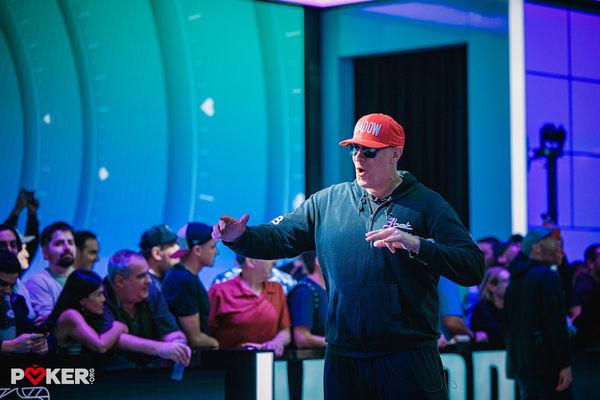
When Greg ‘FBT’ Mueller woke up with pocket aces against Romain Lewis’s pocket kings on Day 8 of the 2026 WSOP Main Event, he found himself in the dream scenario every tournament player fantasizes about. With just 17 players remaining and a final table berth within reach, this classic cooler arrived at the perfect moment to launch the Canadian hockey-player-turned-poker-pro into contention for poker’s most prestigious title.
What Happened
Deep in the 2026 World Series of Poker Main Event with only 17 competitors left standing, Mueller and France’s Romain Lewis got their chips in the middle in what can only be described as a tournament player’s fantasy matchup. The blinds had climbed to 400K/800K with an 800K ante when Lewis looked down at pocket kings in middle position and opened to 1.6M.
Mueller, sitting in the cutoff with pocket aces, three-bet to 6M. Lewis, holding what would normally be a premium hand worth going to war with, moved all-in for his remaining 10.6M. Mueller’s instant call told the story before the cards were even tabled.
With over 23 million chips in the pot—a staggering sum considering the Main Event’s 60K starting stack—both players were sweating bullets for different reasons. Lewis needed to spike one of the two remaining kings in the deck, while Mueller simply needed to fade disaster. The board ran out clean, and the former hockey player from Canada scooped a massive pot that would ultimately help carry him to the final table.
The Poker Strategy Breakdown
Let’s dissect the preflop action from both perspectives. Lewis’s opening raise to 2x the big blind with pocket kings from middle position is textbook tournament poker. With 17 players remaining and significant pay jumps on the horizon, he’s balancing value extraction with stack preservation. The sizing allows him to build a pot with a premium hand while maintaining flexibility if he faces aggression.
Mueller’s three-bet to 6M represents a standard value raise with pocket aces. At this stage of the tournament, he’s not trying to get cute or trap—he’s building a pot with the best possible starting hand. The sizing to roughly 3.75x Lewis’s open accomplishes multiple objectives: it charges worse hands to continue, it defines his opponent’s range, and it sets up a comfortable stack-to-pot ratio for potential postflop play.
Here’s where the hand becomes fascinating from a strategic standpoint. Lewis is facing a three-bet while holding pocket kings. In most tournament scenarios, especially this deep in the Main Event, folding kings preflop is virtually impossible. His all-in shove for roughly 13 big blinds is the only reasonable play. He’s either ahead, flipping, or in the unfortunate 80/20 situation he found himself in.
The math behind the 80/20 is crucial to understand. Pocket aces versus pocket kings wins approximately 81.95% of the time when all the money goes in preflop. That means Lewis had roughly an 18% chance to double up and stay alive in the tournament. While those aren’t favorable odds, they’re far from impossible—roughly one in five times, the kings will prevail.
Mueller’s snap-call reveals supreme confidence, but it also demonstrates proper tournament execution. When you’re dealt aces with 17 players left in the Main Event, you’re not folding. The only question is how to maximize value, and Lewis’s shove made that decision easy.
Reading The Field & Table Dynamics
The context surrounding this hand is just as important as the cards themselves. With 17 players remaining on Day 8, every decision carries enormous weight. The difference between finishing 17th and making the final table represents hundreds of thousands of dollars in prize money—not to mention the prestige and career-defining opportunity that comes with a Main Event final table appearance.
From an ICM (Independent Chip Model) perspective, this spot is particularly interesting. Lewis, as the shorter stack, faces immense pressure. With just over 13 big blinds, he’s in the danger zone where he needs to accumulate chips or risk being blinded away. Finding pocket kings in this situation feels like a gift from the poker gods—until it isn’t.
Mueller’s position at the table also matters. Acting from the cutoff gives him positional advantage and allows him to control the action. When Lewis shoves, Mueller knows he’s likely ahead or flipping at worst. The range of hands Lewis would five-bet shove in this spot is extremely narrow: pocket jacks or better, maybe ace-king suited. Against that range, pocket aces is printing money.
The psychological element cannot be understated. Imagine being Lewis in this moment—you’ve navigated through thousands of players over eight grueling days, you pick up pocket kings with a final table in sight, and you run into the one hand that dominates you. It’s the kind of beat that can haunt a player, yet it’s also a situation where he played perfectly and simply got unlucky.
For Mueller, winning this pot provided more than just chips. It gave him momentum, confidence, and breathing room. Instead of grinding a medium stack, he could now play poker with a comfortable cushion, putting pressure on opponents rather than feeling it himself.
How To Apply This To Your Game
While most players will never face this exact scenario with millions of dollars on the line, the strategic principles apply at every level of tournament poker. Here’s how to incorporate these lessons into your game:
First, understand that coolers happen, and they’re part of the game. If you’re playing solid poker and get your money in good, you’ve done your job. Lewis made zero mistakes in this hand—he simply ran into a better hand at an unfortunate time. Don’t let these situations tilt you or make you question your decision-making.
Second, recognize the importance of position and aggression with premium hands. Mueller’s three-bet from the cutoff is a fundamental play that builds pots when you have the goods. Too many recreational players limp or flat-call with big pairs, missing opportunities to extract value and define their opponent’s range.
Third, study your three-bet and four-bet ranges. In Lewis’s position, you need to know which hands are strong enough to five-bet shove versus which hands might benefit from a call or fold. With pocket kings and a short stack, shoving is automatic, but understanding these ranges in different stack depths will improve your overall tournament results.
Fourth, practice managing your emotions during high-variance situations. Whether you’re Mueller sweating the board with aces or Lewis hoping to spike a king, maintaining composure is critical. Emotional control separates winning players from losing ones, especially in tournament poker where a single hand can determine your fate.
Finally, appreciate the role of timing and tournament stage. The same hand plays differently on Day 1 versus Day 8. As the stakes increase and the field narrows, adjust your risk tolerance and strategic approach accordingly. Sometimes survival matters more than accumulation; other times, you need to gamble to give yourself a chance to win.
Key Takeaways
- Pocket aces versus pocket kings is an 80/20 favorite for the aces, making it one of the most brutal coolers in poker when significant money is on the line
- With a short stack late in a major tournament, Lewis’s five-bet shove with pocket kings represents optimal play despite the unfortunate outcome
- Mueller’s three-bet sizing and snap-call demonstrate textbook value extraction with premium hands in tournament situations
- ICM pressure intensifies decision-making when final table appearances and six-figure pay jumps are at stake
- Position matters enormously—Mueller’s cutoff three-bet allowed him to control the action and maximize value
- Emotional resilience is essential when navigating high-variance spots that can make or break tournament runs
Frequently Asked Questions
Should you ever fold pocket kings preflop in a tournament?
In the vast majority of tournament situations, folding pocket kings preflop is a mistake. However, there are extremely rare ICM scenarios—such as on the final table bubble with a very short stack where folding guarantees a significant pay jump—where folding kings might be correct. In Lewis’s situation with 17 players remaining, folding is never an option.
What are the actual odds of aces versus kings?
Pocket aces win approximately 81.95% of the time against pocket kings when all the money goes in preflop. This means kings will win roughly 18% of the time, or about once every five or six times the matchup occurs. While aces are a significant favorite, kings are far from drawing dead.
How should you size your three-bets with premium hands?
Three-bet sizing depends on position, stack depths, and opponent tendencies, but a general guideline is 3-4x your opponent’s raise in position and 4-5x out of position. Mueller’s three-bet to 6M (3.75x Lewis’s 1.6M open) falls perfectly within this range and accomplishes the goal of building a pot while maintaining stack depth for postflop play.
Final Thoughts
Greg Mueller’s pocket aces versus Romain Lewis’s pocket kings represents more than just a fortunate cooler—it illustrates the fine margins that separate Main Event glory from heartbreak. Both players executed their strategies flawlessly, yet only one could emerge victorious. That’s tournament poker in its purest form: skill, timing, and an inevitable element of luck converging at the most critical moments.
The hand also serves as a reminder that even when you play perfectly, variance can work for or against you. Lewis deserves no criticism for his play; he simply ran into a better hand at an inopportune time. Mueller, meanwhile, capitalized on his good fortune and rode the momentum to a final table appearance. In the end, that’s all you can ask for—put yourself in position to get lucky, and when the cards cooperate, make the most of it.
Whether you’re grinding local tournaments or dreaming of your own Main Event run, study these pivotal hands and understand the strategic principles underlying every decision. The difference between good and great often comes down to execution in these pressure-packed moments.
Ready to Sharpen Your Poker Game?
Master your poker game with expert hand analysis
