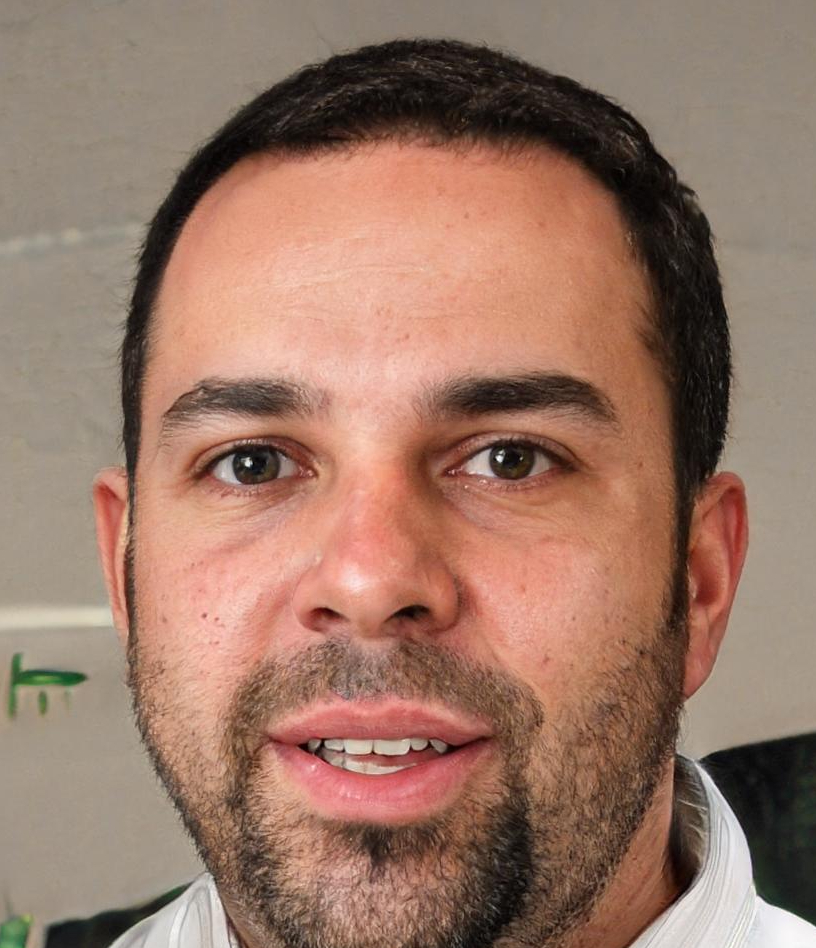
Denys Chufarin’s Poker Journey: Bankroll Strategy Lessons
Ukrainian poker pro Denys Chufarin transformed a modest $65 starting bankroll into over $4.7 million in online tournament earnings—a masterclass in bankroll management, risk assessment, and adaptable strategy. His journey from micro-stakes grinder to GGPoker ambassador offers critical lessons for players at every level about building sustainable poker careers.
What Happened
Denys Chufarin’s poker career began in 2009 with just $65 to his name. Within twelve months, he’d grown that initial stake to $30,000 through disciplined bankroll management and strategic game selection. Today, Chufarin maintains balances exceeding $200,000 in readily available funds—representing only a portion of his total bankroll—and routinely invests $50,000 in tournament buy-ins during major online series.
Originally a cash game specialist, Chufarin pivoted to tournament poker in recent years, finding greater success in the MTT format. His transition demonstrates the importance of format flexibility and recognizing where your edge lies in the evolving online poker ecosystem. As a GGPoker ambassador and content creator, he’s built multiple revenue streams around his poker expertise while maintaining his competitive edge at the tables.
Chufarin’s poker career took an unexpected turn in 2022 when Russia invaded his home country of Ukraine. Drawing on his poker-trained risk assessment skills, he’d estimated a 5% probability of invasion—low, but significant enough to warrant preparation. As he noted, poker players understand that 5% scenarios happen regularly; losing with 95% equity is part of the game. This probabilistic thinking enabled him to relocate his family to Thailand as tensions escalated, eventually settling permanently in British Columbia, Canada, where he continues competing in high-stakes online tournaments.

The Poker Strategy Breakdown
Chufarin’s bankroll growth strategy reveals several fundamental principles that separate sustainable poker careers from boom-and-bust cycles. Starting with $65 requires extreme discipline and proper stake selection—playing at levels where variance won’t eliminate your entire roll after a few bad sessions.
The 1,500x bankroll growth in his first year suggests Chufarin followed conservative bankroll management guidelines while maintaining an edge at his chosen stakes. For cash games, this typically means having 30-50 buy-ins for your current level and being willing to move down when variance strikes. Tournament players need even deeper reserves—100-150 buy-ins for their average tournament entry—due to the higher variance inherent in MTT formats.
His transition from cash games to tournaments represents a strategic pivot many professionals make as their careers evolve. Cash games offer lower variance and steadier income, making them ideal for building initial bankrolls. Tournaments provide higher upside potential and better content creation opportunities—crucial for modern poker professionals who monetize through streaming and sponsorships. Chufarin’s ability to excel in both formats demonstrates the value of developing well-rounded poker skills rather than specializing too narrowly.
The willingness to invest $50,000 in buy-ins during a single day of tournament action shows sophisticated bankroll allocation during high-volume series. This aggressive approach only makes sense when you’ve built sufficient reserves to absorb the inevitable downswings. It also reflects tournament-specific strategy: during major online festivals, the combination of softer fields (recreational players taking shots), overlay opportunities, and favorable tournament structures justifies increased volume and buy-in exposure.
Chufarin’s risk assessment philosophy extends beyond individual hands to life decisions. His 5% invasion probability estimate—and his decision to act on it—mirrors optimal poker strategy. In poker, you don’t need certainty to make correct decisions; you need accurate probability assessment and appropriate responses. Ignoring 5% scenarios because they’re “unlikely” is precisely how players go broke when they fail to account for tail-risk events.
Reading The Field & Table Dynamics
Modern online tournament success requires understanding field dynamics beyond individual hand play. Chufarin’s participation in events like the GG World Festival puts him in fields with distinct player pools: recreational players seeking big scores, professional grinders maximizing volume, and content creators balancing entertainment with optimal strategy.
Successful players adjust their strategies based on field composition. In softer fields with many recreational players, straightforward value-heavy strategies often outperform complex bluffing ranges. Against tougher opposition, exploitative adjustments become crucial—identifying which opponents overbluff, which play too tight, and which make ICM errors in bubble situations.
Tournament stage dramatically impacts optimal strategy. Early stages favor patient accumulation, building a stack while avoiding marginal spots that risk elimination. Middle stages require increased aggression as antes kick in and shorter stacks become desperate. Bubble play demands sophisticated ICM understanding—knowing when to apply pressure on medium stacks protecting their investment and when to avoid confrontations with short stacks in push-or-fold mode.
Deep-run strategy separates great tournament players from merely good ones. Final table dynamics involve complex multi-way ICM considerations where chip value becomes non-linear. A player with Chufarin’s experience understands when to exploit tight players laddering up and when to avoid marginal edges that risk significant pay jump equity.
The psychological element of tournament poker cannot be understated. Chufarin’s comments about finding rhythm and defining what money means personally speak to the mental game aspects that determine long-term success. Players who view poker purely as wealth accumulation often burn out or make emotionally-driven decisions during downswings. Those who find fulfillment in the strategic challenge and lifestyle flexibility tend to sustain longer, more successful careers.
How To Apply This To Your Game
Implementing Chufarin’s approach starts with honest bankroll assessment. Calculate your total poker funds and determine appropriate stakes based on format. For online cash games, maintain 40+ buy-ins; for tournaments, keep 100+ buy-ins for your average entry. If you’re below these thresholds, move down in stakes regardless of ego or perceived skill level.
Track your results meticulously across sufficient sample sizes. Short-term results mean little in poker; you need thousands of hands in cash games or hundreds of tournaments to accurately assess your win rate. Use tracking software like PokerTracker or Hold’em Manager to identify leaks in your game—situations where you’re losing more than theoretically optimal play would dictate.
Develop format flexibility by studying both cash games and tournaments. Even if you specialize in one format, understanding the other improves your overall poker acumen. Cash game players who study tournament strategy learn better stack depth management; tournament players who study cash games develop stronger postflop skills applicable to deep-stacked situations.
Apply probabilistic thinking beyond the poker table. Chufarin’s invasion risk assessment demonstrates how poker skills translate to life decisions. When facing important choices, estimate probabilities rather than thinking in absolutes. A 10% chance of a negative outcome deserves consideration and contingency planning, not dismissal as “unlikely.”
Build multiple income streams around your poker skills. Content creation, coaching, staking arrangements, and sponsorships provide income stability that pure playing results cannot match. These additional revenue sources also reduce pressure to win at the tables, often improving performance by eliminating desperation-driven decisions.
Regularly reassess your relationship with poker and money. Define what financial success means to you personally, not based on external comparisons. As Chufarin notes, millionaires can be miserable while modest earners find happiness. Establish clear financial goals tied to lifestyle preferences rather than arbitrary wealth targets, and recognize when you’ve achieved “enough” to avoid the hedonic treadmill of perpetually chasing more.
Key Takeaways
- Conservative bankroll management enables sustainable growth: Starting with $65 and reaching $30K in one year requires strict stake selection and proper risk management—maintain 40+ buy-ins for cash games and 100+ for tournaments.
- Format flexibility maximizes long-term edge: Chufarin’s transition from cash games to tournaments shows the value of adapting to where your skills provide the greatest advantage and income potential.
- Poker skills transfer to life decisions: Probabilistic thinking and risk assessment apply beyond the tables—5% scenarios deserve preparation because unlikely events happen regularly over sufficient iterations.
- Multiple income streams create career stability: Combining playing, content creation, and sponsorships reduces variance and pressure, often improving table performance by eliminating desperation.
- Define personal success metrics: Money is a tool, not an end goal—understanding what you need to be fulfilled prevents the trap of perpetually chasing arbitrary wealth targets.
- Volume and timing matter in tournaments: Investing heavily during major series with softer fields and favorable structures maximizes ROI when you have sufficient bankroll depth to handle variance.
Frequently Asked Questions
How much bankroll do I need to start playing online poker seriously?
The minimum depends on your chosen format and stakes. For micro-stakes cash games ($0.02/$0.05), you should have at least $100-200 (40-50 buy-ins). For micro-stakes tournaments ($1-5 average buy-in), maintain $150-500 (100-150 buy-ins). Starting with less is possible, as Chufarin did with $65, but requires extreme discipline, playing at the absolute lowest stakes, and being prepared for the possibility of busting and redepositing. Conservative bankroll management is the foundation of sustainable poker careers.
Should I focus on cash games or tournaments when building my bankroll?
Cash games typically offer lower variance and more consistent results, making them ideal for initial bankroll building. You can play shorter sessions, quit when profitable, and move up or down in stakes more fluidly. Tournaments have higher variance but offer bigger upside potential and better content creation opportunities. Many successful players, like Chufarin, start with cash games to build a foundation, then transition to tournaments once they have sufficient bankroll depth to handle the swings. Consider your risk tolerance, time availability, and long-term goals when choosing.
How do professional players maintain their edge in increasingly tough online games?
Continuous study and adaptation are essential. Successful professionals use solver software (GTO+, PioSOLVER) to refine their strategies, review hand histories to identify leaks, and study opponents’ tendencies. They also diversify across multiple sites and formats to find softer games, adjust their schedules to play when recreational players are most active, and develop exploitative strategies against common opponent types. Many supplement their income through coaching, content creation, and staking to reduce pressure and maintain optimal mental state at the tables.
Final Thoughts
Denys Chufarin’s journey from a $65 bankroll to multi-million dollar success illustrates that poker rewards patience, discipline, and strategic thinking far more than short-term luck. His story isn’t about hitting a massive score in a single tournament—it’s about consistent application of sound principles over thousands of sessions, smart bankroll management, and the wisdom to adapt both strategy and life circumstances when situations change.
The most valuable lesson from Chufarin’s career may be his perspective on poker as a vehicle for freedom rather than merely wealth accumulation. The flexibility to relocate internationally when geopolitical circumstances demanded it, the ability to maintain income while building a content creation business, and the wisdom to define success on personal terms rather than external metrics—these advantages matter as much as tournament scores. For aspiring professionals, this holistic view of a poker career provides a more sustainable and fulfilling path than chasing short-term results or comparing yourself to high-stakes crusher highlights on social media.
Whether you’re starting with $65 or $6,500, the principles remain constant: play within your bankroll, continuously improve your skills, think probabilistically about risk, and build a poker career that serves your life goals rather than consuming them. The cards will deliver their share of bad beats and coolers, but proper strategy, discipline, and perspective will carry you through the variance to long-term success.
Ready to Sharpen Your Poker Game?
Master your poker game with expert hand analysis