

From Home Games to WSOP Glory: Gagliano’s Final Table Run
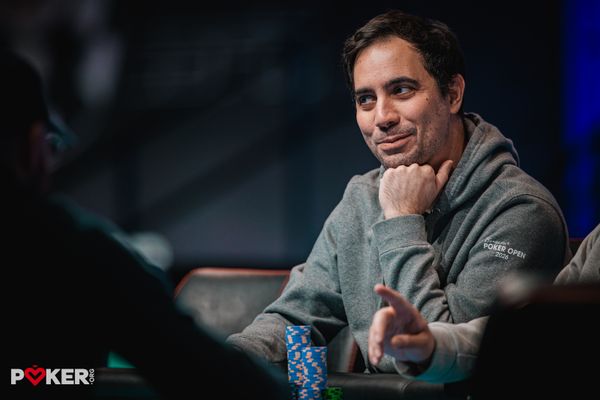
Michael Gagliano’s path to the 2026 WSOP Main Event final table began with makeshift poker tournaments in his mother’s living room, where college friends would crowd around relocated furniture to battle for small stakes. The four-time bracelet winner now sits fifth in chips with a legitimate shot at $10 million and poker’s most coveted title. His journey mirrors the evolution of poker itself—from casual dealer’s choice games to the strategic battlefield we know today.
What Happened
Michael Gagliano, a Rockaway, New Jersey native, secured his seat at the 2026 WSOP Main Event final table after a remarkable eight-day run through one of poker’s most grueling tournaments. Starting Day 1B with 93,000 chips, he methodically built his stack through each stage, ultimately bagging 46,500,000 chips by Day 8—good for fifth place among the final nine competitors.
The accomplishment represents the culmination of a poker journey that started in the early 2000s, well before Chris Moneymaker’s legendary 2003 victory transformed the game. Gagliano’s early poker experiences involved hosting tournaments at his mother’s house, physically rearranging the living room to accommodate three or four tables and thirty to forty players. These gatherings happened seasonally, organized through AOL Instant Messenger—a detail that firmly dates the origin story to poker’s pre-boom era.
In conversations with Craig Tapscott ahead of the August finale, Gagliano reflected on how his relationship with Texas hold’em evolved. Initially, he and his friends dismissed the game as boring during their dealer’s choice sessions, preferring the action-packed nature of mixed games. One friend persistently selected hold’em, much to the group’s annoyance. Single hands of hold’em felt anticlimactic—lots of folding, occasional raises that took down pots uncontested, and minimal drama.
Everything changed when televised poker arrived. Suddenly, the strategic depth became apparent. The group transitioned from casual mixed game enthusiasts to dedicated hold’em students, hosting card nights centered around watching WSOP broadcasts. In 2007, they even purchased the pay-per-view final table broadcast, gathering to watch what turned into a marathon session that exceeded their expectations for pacing but delivered on excitement.
Now Gagliano finds himself on the other side of that equation—the player everyone watches, the dream everyone chases vicariously. With career earnings of $2,293,939 and four WSOP bracelets already to his name, he enters the final table as an experienced tournament professional, not a wide-eyed amateur.
The Poker Strategy Breakdown
Gagliano’s approach to the Main Event final table preparation reveals a sophisticated understanding of skill acquisition and tournament preparation. When asked earlier in the summer how he’d use the extended break before the final table, he initially claimed he wouldn’t study at all. In practice, he’s doing some preparation—watching streams, reviewing situations—but deliberately avoiding the trap of cramming.
His reasoning cuts to the heart of effective poker study: attempting to become an expert in any aspect of the game within a two-week window is fundamentally misguided. This perspective demonstrates mature strategic thinking. Poker skill development requires time, repetition, and integration of concepts. Last-minute cramming might introduce confusion or second-guessing rather than genuine improvement.
The approach also addresses a critical psychological element. Gagliano must balance genuine preparation with maintaining his mental equilibrium. The pressure of a Main Event final table—with life-changing money, ESPN cameras, and the attention of the entire poker community—creates unique stressors that no amount of solver work can fully prepare you for.
His chip trajectory through the tournament demonstrates disciplined play. After building from 93,000 to 736,000 on Day 3, he experienced a setback on Day 4, dropping to 400,000. Rather than panicking or forcing action, he rebuilt methodically—more than tripling up on Day 5 to reach 5,215,000. This pattern suggests a player comfortable with variance who doesn’t allow temporary setbacks to compromise his fundamental approach.
The explosive growth from Days 6 through 8—from 11,675,000 to 19,300,000 to 46,500,000—indicates aggressive play when stack sizes and table dynamics warranted it. Accumulating chips at this rate in the late stages of the Main Event requires winning crucial confrontations and applying pressure effectively.
Reading The Field & Table Dynamics
Gagliano’s comments about the Main Event’s unique nature reveal important insights about final table dynamics. He directly addressed Shaun Deeb’s controversial assertion that the Main Event is “just another tournament,” acknowledging both the validity and limitations of that perspective.
On one level, Deeb’s approach has merit—you’re still getting dealt two cards, making decisions based on ranges and equity, executing fundamental poker strategy. Treating the situation as routine can help manage anxiety and prevent overthinking. However, Gagliano recognizes that the Main Event final table categorically isn’t just another tournament. The money is bigger, the lights brighter, the cameras more intrusive. Players behave differently under these conditions.
This creates exploitable situations for players who can adjust. If opponents are playing tighter because of ICM pressure and the magnitude of pay jumps, aggressive players can capitalize. If they’re playing looser because of the once-in-a-lifetime nature of the opportunity, disciplined players can wait for premium situations. Gagliano’s acknowledgment that “everyone’s playing a little differently” suggests he’s prepared to make these adjustments rather than rigidly adhering to a default strategy.
The extended break between making the final table and playing it adds another dynamic layer. Players have time to study each other, hire coaches, and develop specific game plans. This differs dramatically from typical tournament final tables where play continues with minimal interruption. Information asymmetry becomes crucial—how much has each opponent prepared? Who’s working with elite coaches? Who’s relying on their existing skillset?
ICM considerations at a Main Event final table are extreme. The pay jump from ninth place to first is massive, creating situations where technically correct plays from a chip EV perspective become disastrous from an ICM perspective. Gagliano’s fifth-place stack position gives him flexibility—he’s not so short that he must take desperate gambles, nor so dominant that he should play ultra-conservatively.
How To Apply This To Your Game
Gagliano’s journey offers several actionable lessons for players at all levels. First, embrace the long-term nature of poker skill development. His progression from home games to WSOP final tables didn’t happen through shortcuts or crash courses. It involved years of playing, learning, and gradually increasing the stakes and competition level.
When preparing for important tournaments, resist the urge to completely overhaul your game or cram new concepts. If you’ve made a final table or qualified for a significant event, your existing approach has merit. Refinement and review are valuable; wholesale changes introduce risk. Watch relevant footage, review key hand types, and ensure you’re sharp on fundamentals rather than trying to master advanced concepts you haven’t internalized.
Recognize that different tournament contexts require different approaches. Gagliano’s acknowledgment that the Main Event isn’t just another tournament demonstrates situational awareness. Apply this thinking to your own game—a local tournament, an online series, and a major live event all have different dynamics. Adjust your aggression, risk tolerance, and strategic priorities accordingly.
Build a sustainable poker practice that includes both playing and studying. Gagliano’s group didn’t just play—they watched broadcasts, discussed strategy, and evolved their understanding together. Create your own version of this, whether through study groups, coaching, or disciplined self-review.
Finally, manage the psychological elements of big spots. Gagliano faces the challenge of responding to messages from every poker acquaintance while maintaining focus on preparation. In your own game, develop boundaries and routines that help you perform under pressure. This might mean limiting distractions before important sessions, establishing pre-game rituals, or working with mental game coaches.
Key Takeaways
- Poker skill development is a long-term process—Gagliano’s journey from home games to WSOP final tables took years of consistent play and learning
- Last-minute cramming before major events often does more harm than good; trust your existing skills and make targeted refinements rather than wholesale changes
- Different tournament contexts require different strategic adjustments—recognize when you’re in a unique situation and adapt accordingly
- The Main Event final table creates psychological pressures that affect player behavior, creating exploitable situations for aware competitors
- Chip trajectory matters less than how you respond to setbacks—Gagliano’s Day 4 downturn didn’t derail his tournament because he maintained discipline
- Community and shared learning accelerate development—building a poker network that studies and watches together enhances everyone’s game
Frequently Asked Questions
How should you prepare for a major tournament final table?
Focus on targeted review rather than learning new concepts. Watch streams of your opponents, review common final table situations, and ensure you’re sharp on ICM fundamentals. Avoid the trap of cramming advanced material you haven’t internalized—this typically introduces confusion rather than improvement. Maintain your mental and physical routines, and trust the skills that got you there.
Is the WSOP Main Event really different from other tournaments?
Yes, in meaningful ways. While the fundamental poker remains the same—you’re still making decisions based on ranges and equity—the psychological pressure, media attention, and massive pay jumps create a unique environment. Players often behave differently under these conditions, playing tighter or looser than optimal. Recognizing these tendencies and adjusting your strategy accordingly is crucial for final table success.
How important is ICM strategy at a Main Event final table?
Extremely important. The pay jumps at a Main Event final table are enormous, making chip EV and dollar EV diverge significantly. Situations that would be clear calls or raises in a cash game or early tournament stage become folds when ICM pressure is considered. Understanding when to apply pressure and when to exercise caution based on stack sizes and payout implications is essential for maximizing your expected value.
Final Thoughts
Michael Gagliano’s path from organizing home games via AOL Instant Messenger to competing for a $10 million first prize embodies poker’s accessibility and meritocratic nature. His story reminds us that every professional, every bracelet winner, every final table participant started somewhere—often in informal settings with friends who were just beginning to understand the game’s strategic depth.
What separates players who make the leap from casual enthusiast to serious competitor isn’t always raw talent or mathematical genius. It’s sustained commitment, thoughtful study, and the ability to learn from both successes and setbacks. Gagliano’s measured approach to final table preparation—avoiding cramming while still doing targeted work—demonstrates the wisdom that comes from years of tournament experience.
As the poker community watches the 2026 Main Event final table unfold, Gagliano represents both the dream and the roadmap. The dream that any player who puts in the work can compete at the highest level. The roadmap that shows how consistent effort, community learning, and strategic evolution can transform a college kid moving furniture in his mom’s living room into a legitimate contender for poker’s greatest prize.
Ready to Sharpen Your Poker Game?
Master your poker game with expert hand analysis
