WSOP Final Tabler Kept Poker Career Secret From Parents
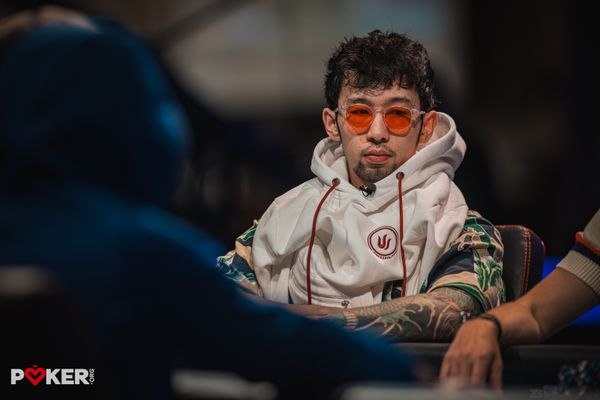
Han Feng reached the World Series of Poker Main Event final table with 25 million chips and a secret he’d kept for years—his parents had no idea he played poker professionally until just months before his deep run. The Houston cash game regular’s story reveals how family expectations and poker careers don’t always mix, even when you’re crushing the game.
What Happened
Feng concealed his poker profession from his family for years, fabricating an alternative career path to avoid disappointing parents who viewed gambling negatively. The deception continued even as he built a nearly $3 million tournament resume and became a regular fixture on Houston’s cash game streaming circuit.
The truth finally emerged in February, just months before Feng’s historic Main Event run. Rather than the anticipated backlash, his father became obsessed with watching his son compete, streaming French-language WSOP coverage despite barely understanding English—just to see Feng on screen.
Feng’s path to the final table demonstrated textbook bankroll management and disciplined progression. He started with $20-50 home games at age 20, too young to enter casinos legally. When COVID-19 restrictions lifted and he reached legal age, he methodically climbed from $1/3 cash games to $2/5, then tournaments.
His Main Event performance was surgical. Starting Day 1B with 73,400 chips, Feng essentially doubled his stack daily from Day 5 through Day 7—going from 6.565 million to 24 million chips. He reached the final table eighth in chips with 25 million, setting up a challenging but winnable position.
The Poker Strategy Breakdown
Feng’s approach to the Main Event exemplifies survival poker executed at the highest level. His philosophy centers on outlasting opponents mentally rather than outplaying them technically in marginal spots. “Everyone kind of loses their mind slowly, and you just have to lose your mind a little slower than everyone else,” he explained in his pre-final table interview.
This conservative approach aligns perfectly with deep-stack tournament strategy in the modern era. With antes and increasing blinds creating natural action, aggressive speculation becomes less necessary. Feng’s “nittiest guy ever” reputation isn’t weakness—it’s weaponized patience.
His background balancing textbooks with cash games during college reveals exceptional focus management. Reading academic material between hands at live tables requires compartmentalization skills that translate directly to tournament pressure situations. This ability to segment attention and maintain emotional equilibrium becomes crucial during marathon Main Event days.
Feng’s preparation regimen for the final table contrasts sharply with opponents who might decompress. While others relaxed during the four-month break, Feng treated it like “boot camp”—intensive gym sessions combined with rigorous study. This professional approach to what amounts to a single high-stakes poker session demonstrates how elite players maximize edge through preparation.
The cash game streaming experience provides Feng with unique advantages. Televised poker creates pressure that live cash streams simulate—playing under observation with delayed hole card reveals trains players to maintain composure when millions watch. Feng’s comfort level in this environment gives him psychological equity others lack.
Reading The Field & Table Dynamics
Feng’s self-described ability to “detach everything very easily” represents a massive tournament advantage, particularly at final tables where ICM pressure intensifies every decision. When playing, “everything else stops existing,” allowing him to make optimal decisions without emotional interference.
More importantly, Feng recognizes how his demeanor affects opponents. He identifies energy shifts at the table, sensing when opponents will never fold or always fold to him. This reads beyond standard tells—it’s recognizing how his presence alters opponent psychology.
“They’ll be like, ‘Man, something about this guy just makes me mad. He tilts me,'” Feng noted. This unintentional psychological warfare creates exploitable patterns. Opponents playing emotionally against him make mistakes they wouldn’t make against others, essentially donating equity through tilt.
Starting the final table eighth in chips presents specific strategic challenges. With 25 million against the chip leader’s significantly larger stack, Feng needs to accumulate without taking unnecessary risks. ICM considerations favor survival over speculation when multiple shorter stacks remain.
The four-month final table delay fundamentally changes dynamics compared to traditional same-day conclusions. Players study each other’s histories, identify patterns, and prepare specific counter-strategies. Feng’s cash game streaming footage provides opponents with data, but his disciplined approach leaves few exploitable tendencies to target.
His experience reading live opponents in Houston cash games—often against recreational players with money to burn—sharpens skills for identifying when final table opponents deviate from equilibrium strategies under pressure. These live reads become increasingly valuable as stacks shallow and decisions simplify to push-fold scenarios.
How To Apply This To Your Game
Feng’s methodical bankroll progression offers a blueprint for sustainable poker careers. Starting with home games and micro-stakes, he moved up only when properly rolled and skilled for the next level. This patience prevents the boom-bust cycles that derail talented players who advance too quickly.
Develop emotional detachment during sessions. Feng’s ability to compartmentalize eliminates tilt and allows clear decision-making regardless of recent results. Practice mindfulness techniques or meditation to strengthen this skill, particularly before important tournaments.
Study your opponents’ psychological responses to your playing style. If certain players consistently react emotionally to your tight-aggressive approach, exploit that by value-betting thinner or bluffing less frequently. Adjust your strategy based on how opponents adjust to you, not just their baseline tendencies.
Treat major tournaments with professional preparation. Feng’s boot camp approach—combining physical fitness with intensive study—optimizes mental and physical performance. Exercise improves focus and stamina during long sessions, while study reinforces optimal strategies under pressure.
Balance poker with other commitments when starting out. Feng completed his business degree while building his game, maintaining a safety net and satisfying family expectations. This reduced pressure allowed him to develop skills without financial desperation forcing suboptimal decisions.
Recognize that survival often beats aggression in deep-stack tournaments. While aggressive poker wins chips, avoiding elimination keeps you alive to accumulate naturally through blinds, antes, and opponent mistakes. Especially in the Main Event’s slow structure, patience rewards disciplined players.
Key Takeaways
- Han Feng concealed his poker career from parents for years due to their negative view of gambling, revealing the truth only months before his WSOP Main Event final table appearance
- His systematic progression from $20 home games to the WSOP final table demonstrates proper bankroll management and skill development
- Feng’s “nittiest guy ever” approach focuses on outlasting opponents mentally rather than outplaying them in marginal spots
- His emotional detachment and ability to read how opponents react to his presence creates exploitable psychological edges
- Starting the final table eighth in chips with 25 million requires balancing ICM survival with necessary accumulation
- Professional preparation including intensive study and physical training maximizes performance in high-pressure situations
Frequently Asked Questions
How did Han Feng hide his poker career from his parents?
Feng never explicitly told his parents about his poker profession until February, just months before his Main Event final table run. He completed a business degree as promised, which satisfied their expectations, while building his poker career simultaneously. He played cash games while studying textbooks at the table during college, maintaining the appearance of focusing on education while developing his poker skills.
What advantages does cash game streaming experience provide for tournament play?
Cash game streaming prepares players for the psychological pressure of televised poker. Playing under observation with cameras and delayed hole card reveals simulates the mental demands of major tournament final tables. Feng’s regular appearances on Houston streams gave him comfort performing under scrutiny that many tournament players lack, providing significant psychological equity when millions watch the WSOP final table.
Is tight-aggressive poker still effective in modern Main Events?
Absolutely. Feng’s disciplined approach proves that patience and selective aggression remain highly effective, particularly in deep-stack structures like the Main Event. While aggressive poker generates headlines, survival-focused strategies that avoid marginal spots allow you to accumulate chips naturally through blinds, antes, and opponent mistakes. The key is losing your mind “a little slower than everyone else” as pressure mounts.
Final Thoughts
Han Feng’s journey from concealed home games to the WSOP Main Event final table illustrates how sustainable poker careers are built—through discipline, proper bankroll management, and emotional control. His ability to maintain his secret while developing world-class skills shows the dedication required to succeed at poker’s highest levels.
The story also highlights evolving attitudes toward poker as a profession. Feng’s father went from being kept in the dark to obsessively watching French streams just to see his son compete. As poker continues gaining mainstream acceptance, fewer players will need to hide their careers, but Feng’s caution was understandable given his parents’ cultural background and negative gambling experiences.
Whether Feng converts his final table appearance into a bracelet and life-changing money remains to be seen, but his methodical approach and psychological advantages position him well. His preparation, emotional detachment, and ability to exploit opponent tilt give him edges beyond chip counts. For aspiring professionals, Feng’s path offers a roadmap—balance commitments, manage your bankroll, develop mental game skills, and the results will follow.
Ready to Sharpen Your Poker Game?
Master your poker game with expert hand analysis