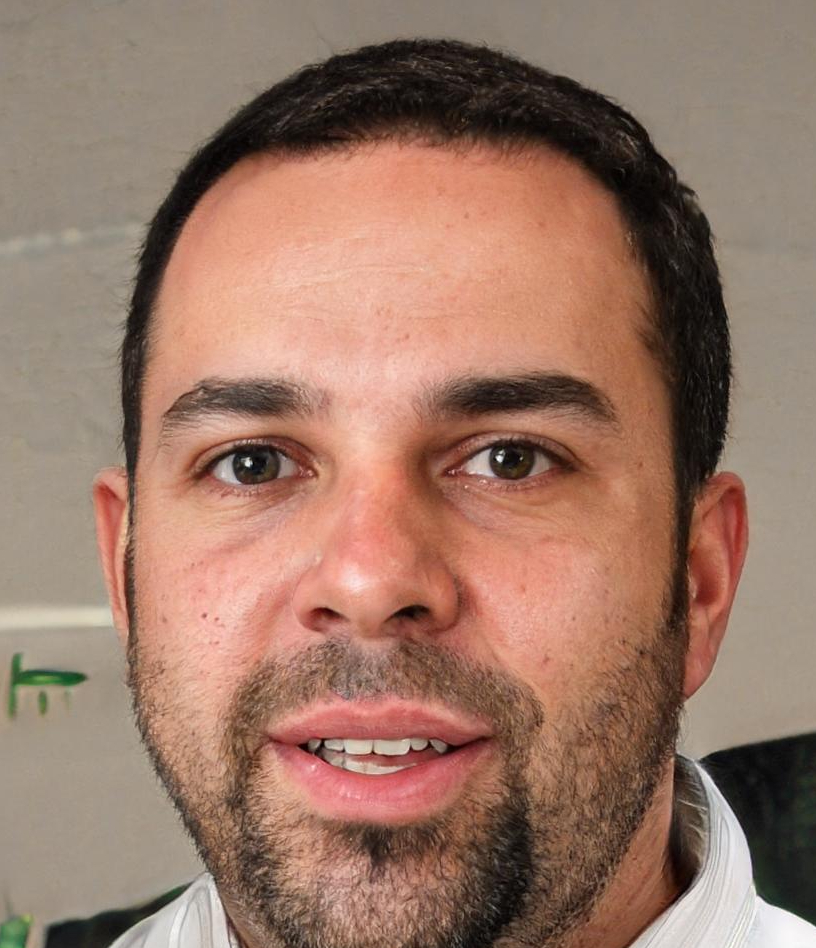
Alex Foxen’s 13th PGT Win: Strategy Behind the Dominance
Alex Foxen has captured his 13th career PGT title at the 2026 US Poker Open, positioning himself just one victory behind all-time leader Sam Soverel’s record of 14 titles. The $210,000 first-place prize from the $10K NLH event pushed Foxen’s tournament earnings past $56 million and demonstrated the strategic mastery that has defined his career.
What Happened
The seventh event of the 2026 US Poker Open at PokerGO Studio drew 70 entries, creating a $700,000 prize pool. Foxen entered the six-handed final table on Saturday with the commanding chip lead he’d built during Friday’s action, and he never relinquished control.
The final table featured a competitive field including Jeremy Ausmus, Qinghai Pan, Aram Zobian, Michael Berk, and Sam Laskowitz. Foxen methodically eliminated opponents until reaching heads-up play against Ausmus with a massive chip advantage—more than 4:1. The heads-up battle concluded quickly, with Foxen sealing the victory and adding another trophy to his impressive collection.
Ausmus earned $136,500 for his runner-up finish, while Pan collected $94,500 for third place. The win elevated Foxen to fifth position on the 2026 US Poker Open leaderboard with 245 points, trailing leader Brock Wilson’s 495 points.
Interestingly, this victory came just days after his wife Kristen Foxen won Event #4 for her fourth PGT title. The power couple’s combined tournament earnings now exceed $71.5 million—a figure that would place them fourth on poker’s all-time money list if counted as a single entity. Alex’s win bumped Kristen from fourth to eighth on the US Poker Open leaderboard, adding a competitive edge to their household dynamics.

The Poker Strategy Breakdown
Foxen’s path to victory showcased several strategic principles that separate elite tournament players from the field. His ability to bag the chip lead after Day 1 wasn’t accidental—it reflected aggressive yet calculated accumulation during the middle stages when many players tighten up approaching the money bubble.
The key to Foxen’s dominance lies in his understanding of leverage. When you hold a significant chip advantage at a final table, every decision your opponents make becomes more difficult. They’re playing for their tournament lives while you can apply maximum pressure with a wider range. This dynamic forces opponents into marginal spots where they must risk elimination to stay competitive.
Foxen’s heads-up chip advantage—over 4:1—essentially meant the match was decided before it began. At this stack depth, the shorter stack must take risks and can’t wait for premium holdings. Foxen could apply relentless pressure, forcing Ausmus to either fight back with suboptimal hands or blind down to irrelevance. The quick conclusion suggests Foxen maintained his aggressive posture, never allowing his opponent to gain momentum through small pots.
This approach requires exceptional hand reading and the discipline to avoid unnecessary confrontations when holding marginal holdings. Elite players like Foxen understand when to apply maximum pressure and when to conserve chips, even with a commanding lead. The goal isn’t just to win—it’s to win efficiently while minimizing variance.
Reading The Field & Table Dynamics
Final table dynamics at high-stakes tournaments involve complex ICM considerations that recreational players often overlook. With ten players reaching the money from 70 entries, the bubble factor influenced play significantly before the final table formed.
Foxen’s chip lead created a strategic advantage beyond the obvious. Middle stacks at the final table faced pressure from both directions—they couldn’t afford to tangle with the big stack without premium holdings, yet they needed to accumulate chips to have any chance at victory. This squeeze play benefits the chip leader immensely, as opponents effectively eliminate each other while avoiding confrontations with the dominant stack.
The presence of accomplished players like Ausmus and Pan at the final table meant Foxen couldn’t rely on opponents making fundamental errors. Instead, he needed to exploit the structural advantages his chip position provided. Against competent opposition, this means identifying spots where opponents face difficult decisions regardless of their holdings—situations where folding seems weak but calling or raising risks tournament life.
Pay jumps also influenced final table dynamics significantly. The difference between sixth place ($38,500) and first place ($210,000) creates natural tension. Players who’ve already locked up meaningful scores often play more conservatively, hoping others will bust first. Foxen’s willingness to maintain aggression despite having secured a profitable finish demonstrates the mentality required to win tournaments consistently rather than merely cashing.
The heads-up phase against Ausmus illustrated another critical concept: momentum. Once Foxen established his massive chip lead entering heads-up play, Ausmus faced an uphill battle not just mathematically but psychologically. The shorter stack must win multiple all-in confrontations to even the match, while the chip leader needs to win just once to end it. This asymmetry affects decision-making on both sides and explains why the match concluded rapidly.
How To Apply This To Your Game
While most players won’t face $10,000 buy-in final tables, the strategic principles Foxen demonstrated apply across all stakes. Here’s how to incorporate these concepts into your tournament game:
Build chips before the final table: Foxen’s Day 1 chip lead set up his eventual victory. Too many players simply survive to the final table rather than accumulating ammunition. During the middle stages, identify opportunities to build your stack when opponents tighten up. A big stack provides options that short stacks simply don’t have.
Leverage your chip lead: If you reach a final table with chips, use them. Don’t become passive and allow shorter stacks to double through others. Apply pressure to middle stacks who can’t afford to play back without premium holdings. This doesn’t mean reckless aggression—it means strategic pressure that forces opponents into difficult spots.
Understand ICM implications: Study Independent Chip Model calculations to understand how pay jumps affect optimal strategy. Sometimes folding a hand that would be profitable in a cash game makes sense when a pay jump is imminent. Conversely, when you’re short-stacked, you may need to take risks that seem aggressive but are mathematically necessary.
Adjust to opponent types: Against recreational players, straightforward value betting often suffices. Against experienced opponents like those Foxen faced, you need to incorporate more sophisticated strategies including balanced bluffing ranges and exploitative adjustments based on opponent tendencies.
Maintain aggression heads-up: If you reach heads-up play with a chip lead, don’t let your opponent back into the match. Continue applying pressure, especially if you’ve established a significant advantage. The shorter stack must take risks—make them uncomfortable by forcing decisions on every street.
Study final table footage: Platforms like PokerGO provide invaluable learning opportunities. Watch how elite players like Foxen navigate final tables, paying attention to their bet sizing, timing, and hand selection in different situations. The patterns become clear with repeated observation.
Key Takeaways
- Alex Foxen won his 13th PGT title, moving within one victory of Sam Soverel’s all-time record of 14 titles
- Building a chip lead before the final table provides strategic advantages that extend throughout the remaining play
- Heads-up chip advantages of 4:1 or greater typically lead to quick conclusions as the short stack must take risks
- ICM pressure affects middle stacks most severely, creating opportunities for chip leaders to accumulate without confrontation
- The Foxen family’s combined tournament earnings exceed $71.5 million, demonstrating sustained excellence at the highest levels
- Maintaining aggression with a chip lead prevents opponents from gaining momentum through small pots
Frequently Asked Questions
How many PGT titles does Alex Foxen need to break the all-time record?
Alex Foxen needs two more PGT titles to break the all-time record. He currently has 13 titles, while Sam Soverel holds the record with 14. One more win would tie the record, and a 15th title would establish a new benchmark for PGT tournament victories.
What is the significance of a 4:1 chip lead in heads-up play?
A 4:1 chip advantage in heads-up play is overwhelming. The short stack must win multiple all-in confrontations to even the match, while the chip leader only needs to win once to end the tournament. This creates psychological pressure and forces the shorter stack to take risks with marginal holdings, often leading to quick conclusions as we saw in Foxen’s victory.
How do ICM considerations affect final table strategy?
Independent Chip Model (ICM) calculations account for how chip stacks translate to prize pool equity based on payout structures. At final tables, significant pay jumps make chips less valuable than in cash games, especially for middle stacks who risk busting without moving up the payout ladder. This creates situations where folding mathematically correct hands makes sense to secure higher finishes, and where chip leaders can apply pressure knowing opponents face difficult decisions.
Final Thoughts
Alex Foxen’s 13th PGT title represents more than another trophy—it showcases the consistent application of advanced tournament strategy that separates poker’s elite from the rest of the field. His ability to convert a Day 1 chip lead into a dominant final table performance, then close out heads-up play efficiently, demonstrates mastery of tournament poker’s critical phases.
What makes Foxen’s achievement particularly impressive is the caliber of competition he faced. High-stakes tournaments attract the world’s best players, yet Foxen continues finding ways to gain edges through superior strategy, disciplined execution, and relentless pressure at opportune moments. His pursuit of Soverel’s all-time PGT wins record adds another compelling storyline to watch as the tournament series continues.
For players looking to improve their tournament results, studying how champions like Foxen navigate final tables provides invaluable insights. The principles he employs—building chips before final tables, leveraging stack advantages, understanding ICM dynamics, and maintaining aggression with the lead—apply whether you’re playing a $100 local tournament or a $10,000 championship event. The stakes change, but the strategic foundations remain constant.
Ready to Sharpen Your Poker Game?
Master your poker game with expert hand analysis