

French Poker Pro Mario Boos Chases WSOP Main Event Glory
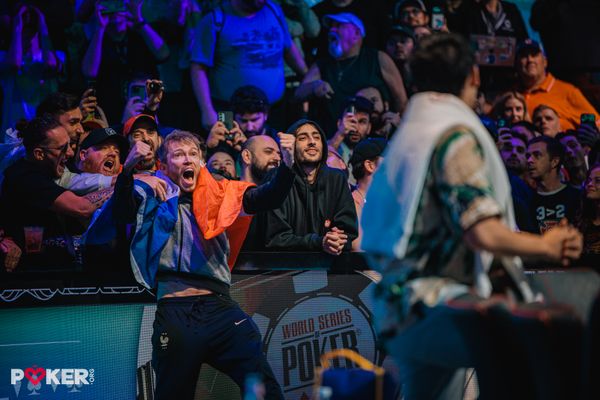
Mario Boos has become the sole French representative at the WSOP Main Event final table, carrying the hopes of an entire nation that has never produced a Main Event champion. With 44 million chips and a rowdy rail behind him, the relatively unknown pro is navigating uncharted territory in poker’s most prestigious tournament.
What Happened
The journey to the WSOP Main Event final table is never straightforward, but for Mario Boos, it started about as poorly as possible. Despite being advised that Day 1D would offer the easiest competition, Boos found himself seated at what he described as his toughest table of the entire first week. He hemorrhaged chips immediately, finishing the opening session with just 27,000—less than half his starting stack.
What followed was a masterclass in tournament resilience. Boos clawed back to 165,500 on Day 2, weathered a dip to 91,200 on Day 3, then exploded to 800,000 by Day 4. The upward trajectory continued relentlessly: 7.85 million on Day 5, 17.95 million on Day 6, 24.3 million on Day 7, and finally 44 million chips heading into the final table.
Now sitting sixth in chips among the final nine players, Boos represents France’s best chance at Main Event glory in the tournament’s storied history. The support from his home country has been overwhelming—thousands of messages, twenty friends either staying with him or flying in for the final table, and countless others making the trip to Las Vegas for the live ESPN broadcast.
The Poker Strategy Breakdown
Boos’s deep run reveals several critical strategic adjustments that separated him from the field. His most important observation came early: recognizing that recreational players were making catastrophic mistakes after losing relatively small portions of their stacks. Players would tilt off 40 big blinds after dropping to 40 big blinds from 60, treating a minor setback as if they were already eliminated.
This awareness allowed Boos to avoid the emotional spiral that claims so many Main Event hopefuls. After his difficult Day 1, he could have easily fallen into the same trap—pushing too hard to recover, making desperate plays, convincing himself that being below starting stack meant he was already crippled. Instead, he maintained discipline and waited for genuine opportunities.
The chip count progression tells the story of patient accumulation rather than high-variance gambles. From Day 2 to Day 4, Boos increased his stack roughly fivefold—a steady climb that suggests solid fundamental poker rather than lucky all-ins. The real acceleration came on Days 5 and 6, when his stack grew from 800K to nearly 18 million. This timing is crucial: as the field thinned and average stacks grew, Boos found the right spots to apply maximum pressure.
His approach to stack preservation stands out. Boos noted that he was “never really short except after the beginning of Day 2,” which means he successfully avoided the desperate situations that force players into marginal spots. Maintaining a workable stack throughout allowed him to be selective, to fold when appropriate, and to attack when the math and dynamics aligned in his favor.
Reading The Field & Table Dynamics
One fascinating element of Boos’s run is his self-awareness about table talk and psychological warfare. He openly admits to being a prolific trash talker in his native French and German, but feels constrained operating in English at the WSOP. He watched Will Givens work the table with constant chatter and acknowledged feeling envious—not because he can’t talk, but because he can’t deploy that weapon with full effectiveness in his non-native language.
This limitation might actually have worked in Boos’s favor. While Givens drew attention and created memorable moments with his table presence, Boos flew under the radar. Players who talk constantly give away information about their thought processes, their emotional state, and their strategic tendencies. Boos’s quieter approach meant less data for opponents to work with.
The final table presents unique ICM considerations that differ from earlier stages. With sixth place paying $1.4 million and first place worth $10 million, the pay jumps create complex strategic situations. Boos’s middle-of-the-pack chip position is actually ideal for applying pressure—he can threaten the short stacks while avoiding direct confrontation with the big stacks unless he has a premium holding.
The extended break before the ESPN final table changes the dynamic considerably. In recent years, the final table played out immediately, giving players no time to study opponents, review hands, or adjust their approach. Now, with days to prepare, Boos can analyze his eight opponents’ tendencies, review their previous hands from the tournament, and develop specific game plans for different scenarios.
The French rail adds another dimension. Vocal, passionate support can energize a player, but it can also create pressure to perform and make hero plays. Boos’s measured approach to the entire experience—describing it as just another tournament despite its obvious significance—suggests he won’t let external expectations influence his decision-making at the table.
How To Apply This To Your Game
The most transferable lesson from Boos’s run is emotional control after early setbacks. Whether you’re playing a local tournament, an online MTT, or a major series event, starting below average doesn’t doom your chances. The key is avoiding the compounding mistake of treating a manageable situation as a crisis. If you lose 20 big blinds but still have 40 remaining, you’re not short-stacked—you’re still in excellent position to play solid poker.
Develop a clear understanding of what constitutes a genuinely desperate situation versus a minor setback. In most tournament structures, you’re not in push-fold mode until you’re below 15 big blinds, and you’re not in serious trouble until you’re below 25. Boos recognized this and didn’t panic when he dipped below his starting stack, which allowed him to rebuild methodically.
Pay attention to your opponents’ tilt triggers and stack-size psychology. When recreational players lose chips, watch how they respond. Do they immediately loosen up and start playing more hands? Do they become passive and scared? These patterns create exploitable opportunities. If you notice someone tilting after losing a pot, you can apply pressure knowing they’re likely to make mistakes.
Consider your table image and how much information you’re volunteering. If you’re naturally talkative, recognize that you’re giving opponents data they can use against you. If you’re quieter, understand that you’re maintaining mystery but potentially missing opportunities to gather information through conversation. Neither approach is inherently superior—what matters is being intentional about your choice.
Use breaks and downtime strategically. Boos mentioned working with a mental coach years earlier and applying those techniques during the tournament. Whether it’s breathing exercises, visualization, or simple meditation, having tools to manage pressure and maintain focus becomes increasingly important as the stakes rise. Develop these skills during lower-stakes play so they’re automatic when you need them most.
Key Takeaways
- Early setbacks don’t determine tournament outcomes—Boos finished Day 1 with less than half his starting stack but still reached the final table with 44 million chips
- Recognizing when opponents are tilting or playing emotionally creates profitable opportunities, especially when they overreact to losing small portions of their stacks
- Maintaining a workable stack throughout a tournament allows you to be selective and avoid desperate situations where you’re forced into marginal spots
- Self-awareness about your strengths and limitations helps you play to your advantages—Boos recognized his table talk wouldn’t be as effective in English and adjusted accordingly
- Middle-of-the-pack chip positions at final tables offer ideal opportunities to apply pressure on short stacks while avoiding confrontations with chip leaders
- Mental preparation and emotional control techniques developed during practice become crucial during high-pressure situations
Frequently Asked Questions
Has a French player ever won the WSOP Main Event?
No French player has ever won the WSOP Main Event in the tournament’s history. Mario Boos represents France’s best opportunity to break through, making his final table appearance particularly significant for the French poker community.
What should you do after a bad first day in a multi-day tournament?
Focus on your remaining big blinds rather than your chip count relative to starting stack. If you still have 30+ big blinds, you’re in excellent shape to play solid poker. Avoid the common mistake of treating a minor setback as a crisis that requires desperate plays to recover.
How does the extended break before the WSOP final table affect strategy?
The break allows players to study opponents’ tendencies, review key hands from earlier in the tournament, and develop specific game plans. It also provides time for mental preparation and recovery from the grueling multi-day event, though it can allow pressure and expectations to build.
Final Thoughts
Mario Boos’s path to the WSOP Main Event final table demonstrates that championship poker isn’t about avoiding adversity—it’s about responding to it properly. His terrible Day 1 could have derailed his entire tournament, but his disciplined approach and emotional control allowed him to rebuild and eventually thrive. The fact that he views this as “just another tournament” despite its obvious significance reveals the mindset that separates professionals from amateurs.
Whether Boos becomes the first French Main Event champion or falls short, his run offers valuable lessons for players at every level. Tournament poker rewards patience, adaptability, and the ability to maintain composure when things go wrong. These skills aren’t innate—they’re developed through experience, study, and intentional practice. As the final table approaches, Boos will lean on all the preparation that brought him this far, supported by a passionate rail that will make sure everyone knows France has a contender at poker’s biggest stage.
Ready to Sharpen Your Poker Game?
Master your poker game with expert hand analysis
