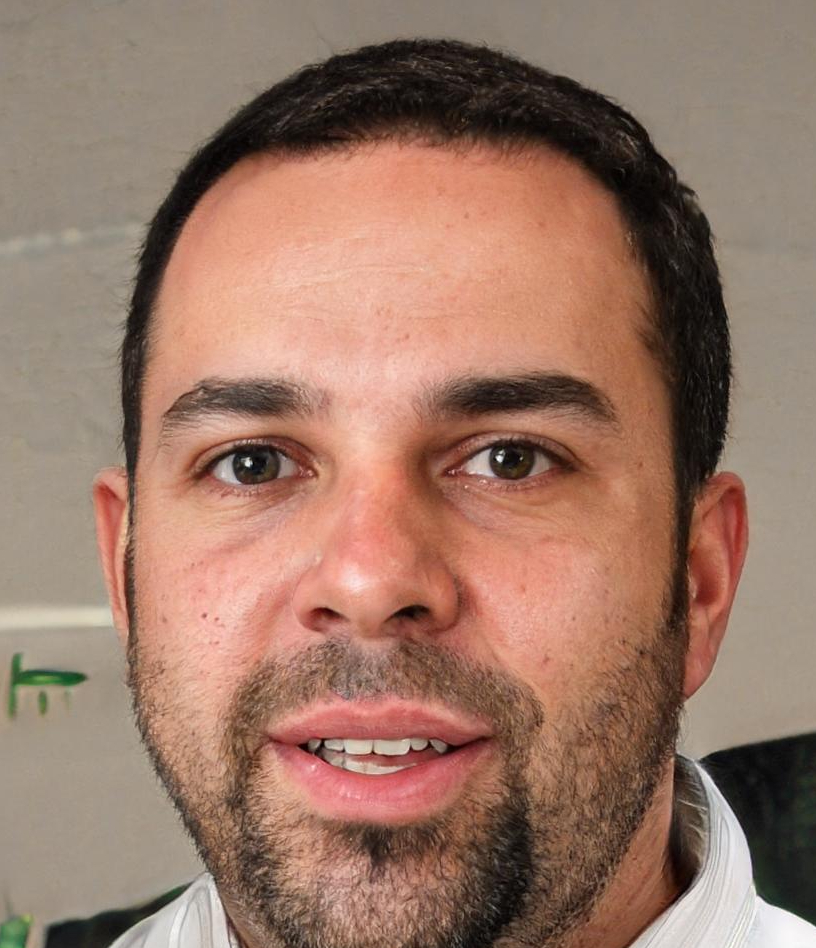
How a Retired Professor Conquered WSOP Fantasy: Insider Tips
A retired turfgrass professor turned WSOP fantasy champion reveals the unconventional strategy that helped him beat over 1,700 competitors and score a $10,000 prize package. Michael Ventola’s approach combined podcast research, value hunting, and one crucial timing decision that separated him from the field.
What Happened
When the dust settled on the 2025 World Series of Poker, Michael Ventola found himself atop the PokerOrg Fantasy Freeroll leaderboard—a competition that attracted more than 1,700 participants. His eight-player roster, anchored by Isaac Haxton’s clutch Main Event performance and early momentum from Patrick Leonard and Daniel Negreanu, accumulated enough points to secure the top prize: a $10,000 live poker package.
The victory came as a surprise to Ventola himself. After busting from the WSOP Main Event on Day 1, he had retreated to Michigan for a canoeing trip, essentially disconnecting from poker entirely. The notification of his fantasy championship arrived while he was enjoying cooler weather up north, transforming disappointment into celebration.
Fast forward to 2026, and Ventola has made the ultimate commitment to his poker passion—relocating permanently to Las Vegas in March. Now he’s preparing to defend his fantasy title while grinding the tournament circuit he once only observed from afar. His journey from academic to poker enthusiast to fantasy champion offers valuable lessons for anyone looking to gain an edge in WSOP fantasy competitions.

The Poker Strategy Breakdown
Ventola’s draft philosophy diverged from conventional wisdom in several key ways. Rather than simply targeting the highest-ranked players or following consensus picks, he built his roster around three core principles: motivation, volume, and value.
The motivation factor proved critical. Ventola specifically targeted players who had publicly expressed hunger for WSOP success. Ben Lamb, for instance, had mentioned needing additional bracelets to solidify his Hall of Fame credentials—a clear signal of intent to grind extensively. Similarly, Daniel Negreanu’s own fantasy involvement indicated he would approach the series with maximum effort.
Volume considerations shaped every selection. Ventola understood that fantasy points accumulate through consistent cashes and deep runs, not just bracelet wins. This meant prioritizing players with both the bankroll and stamina to enter dozens of events. A player entering 50 tournaments with moderate success would likely outscore someone cherry-picking five high rollers.
The value component separated Ventola from competitors. He identified Patrick Leonard as significantly underpriced relative to his skill level—a high-volume online crusher transitioning more aggressively to live play. Leonard’s eventual 256-point contribution at a bargain price freed up salary cap space for premium selections elsewhere on the roster.
Ventola’s research methodology centered on consuming poker media voraciously. Podcasts provided insider information that raw statistics couldn’t capture: player mindsets, schedule commitments, and personal motivations. This qualitative data supplemented quantitative analysis, creating a more complete player evaluation framework.
The roster construction itself demonstrated balance. Ventola didn’t blow his entire budget on two superstars, nor did he spread resources too thin across eight mid-tier options. Instead, he created a tiered approach: premium grinders (Haxton, Negreanu), value plays (Leonard, Lamb), and calculated risks (Seidel in mixed games, where field sizes are smaller and variance lower).
Reading The Field & Table Dynamics
One of Ventola’s most sophisticated insights involved understanding tournament dynamics at the macro level. He recognized that fantasy scoring rewards different skills than tournament poker itself. While winning requires navigating final tables and crucial all-in decisions, fantasy success comes from consistency and volume.
This distinction influenced his player selection significantly. High-variance players who occasionally win big but frequently bust early don’t accumulate steady fantasy points. Conversely, solid professionals who regularly reach Day 2s and make min-cashes generate consistent scoring even without spectacular finishes.
Ventola also demonstrated awareness of field dynamics within specific event types. Erik Seidel’s selection specifically for mixed game tournaments exemplified this thinking. Mixed events attract smaller, softer fields compared to No-Limit Hold’em tournaments, increasing the probability of deep runs for elite players. Seidel’s 61 points came almost entirely from these targeted spots.
The timing of his draft represented perhaps his most crucial strategic decision. By waiting until the absolute last minute to finalize his roster, Ventola absorbed breaking information unavailable to early drafters. Last-minute schedule changes, injury reports, or public statements about commitment levels could dramatically impact a player’s expected value.
This patience also allowed him to observe pricing inefficiencies. As other participants locked in their teams, Ventola could identify which premium players were being underutilized, creating opportunities to capitalize on market mistakes. In fantasy sports, information edges decay rapidly—waiting maximizes your advantage.
Isaac Haxton’s late-series surge illustrated another dynamic Ventola understood intuitively: the Main Event’s outsized scoring impact. With its massive field and extended structure, a deep Main Event run generates exponential fantasy points. Haxton’s 276-point total—the highest on Ventola’s roster—came substantially from his Main Event performance, validating the strategy of rostering players likely to navigate large-field events successfully.
How To Apply This To Your Game
Whether you’re drafting a fantasy team or making tournament decisions, Ventola’s approach offers actionable lessons. First, develop information sources beyond surface-level statistics. Follow players on social media, consume poker podcasts, and read interviews. Understanding motivation and commitment levels provides edges that spreadsheets can’t capture.
Second, prioritize volume and consistency over variance. In both fantasy and tournament poker, steady accumulation beats boom-or-bust approaches over large sample sizes. Build your strategy around sustainable edge rather than lottery tickets.
Third, identify market inefficiencies. In fantasy, this means finding underpriced players. In live poker, this means selecting tournaments where your skill edge exceeds the rake and variance costs. Don’t play events just because they’re prestigious—play where your expected value is highest.
Fourth, timing matters enormously. Ventola’s last-minute draft strategy parallels late registration decisions in tournaments. More information always improves decision quality. Whether drafting fantasy teams or deciding whether to fire additional bullets, patience allows you to incorporate the maximum available data.
Fifth, create balanced portfolios. Ventola didn’t put all his eggs in one basket, nor did he spread too thin. Similarly, tournament players should balance their schedules between comfortable stakes where they have clear edges and occasional shots at life-changing scores. Diversification reduces variance while maintaining upside.
Finally, prepare thoroughly but stay flexible. Ventola studied extensively but remained ready to adjust based on new information. In tournaments, this means having game plans but adapting to table dynamics, stack sizes, and opponent tendencies. Rigid strategies fail when circumstances change.
Key Takeaways
- Research player motivation: Target competitors who have publicly expressed hunger for results, as they’ll likely enter more events and play with maximum focus
- Prioritize volume over upside: Consistent grinders who accumulate points through frequent cashes often outscore boom-or-bust players hunting bracelets
- Hunt for value in transitions: Online crushers moving to live poker are frequently underpriced relative to their actual skill level
- Wait until the last moment to draft: Maximize your information edge by incorporating breaking news, schedule changes, and market inefficiencies
- Balance your roster construction: Combine premium selections with value plays rather than going all-in on stars or spreading budget too thin
- Consider event-specific edges: Smaller-field mixed games and specialty tournaments offer different value propositions than massive No-Limit Hold’em events
Frequently Asked Questions
What’s the biggest mistake fantasy players make when drafting WSOP teams?
The most common error is drafting too early without waiting for crucial information about player schedules, motivations, and commitments. Many participants lock in their rosters weeks before the series begins, missing valuable intel about who’s actually planning to grind extensively. Additionally, players often overpay for big names while overlooking value in lower price tiers, creating unbalanced rosters that can’t compete with more strategic constructions.
How important is podcast and media research compared to looking at statistics?
Qualitative research through podcasts and interviews provides context that raw statistics can’t capture. While historical results matter, understanding current motivation levels, bankroll situations, and schedule commitments offers significant edges. A player who cashed 20 times last year but is only playing 10 events this year has dramatically different value than statistics alone suggest. The most successful fantasy players combine both quantitative analysis and qualitative insights.
Should I pick players I want to root for or strictly focus on expected value?
Ventola’s approach suggests these aren’t mutually exclusive. Picking players you genuinely want to see succeed increases engagement and makes following the series more enjoyable, which in turn motivates you to stay informed and make better in-series decisions if your format allows adjustments. However, rooting interest should align with sound strategic thinking—pick players you like who also offer genuine value, not pure fan favorites with poor expected returns.
Final Thoughts
Michael Ventola’s fantasy championship demonstrates that success in poker-adjacent competitions requires the same skills that separate winning players from the field: thorough research, disciplined strategy, and the patience to wait for optimal spots. His journey from casual observer to champion to Las Vegas resident embodies the dream many poker enthusiasts share—turning passion into tangible results.
The lessons from his victory extend beyond fantasy sports. Whether you’re building tournament schedules, selecting cash game stakes, or making crucial in-game decisions, the principles remain constant: gather superior information, identify value others miss, and execute with discipline. Ventola’s emphasis on consuming poker content, understanding player psychology, and timing decisions optimally applies across all poker contexts.
As the 2026 WSOP approaches, fantasy participants have a blueprint for success. But like any poker strategy, edges disappear once everyone knows the secrets. The players who will dominate this year’s fantasy competitions won’t just copy Ventola’s approach—they’ll adapt his principles to find new inefficiencies, identify emerging value, and stay one step ahead of the field. The game within the game continues to evolve, rewarding those who think deepest and prepare most thoroughly.
Ready to Sharpen Your Poker Game?
Master your poker game with expert hand analysis