Master the Art of Hero Folds: When Laying Down Monsters Wins
The gap between knowing what to do and actually doing it separates good poker players from elite ones. Mental game coach Jason Su reveals why the ability to execute brutal folds under pressure—not just theorize about them—determines who wins the biggest pots in modern poker.
What Happened
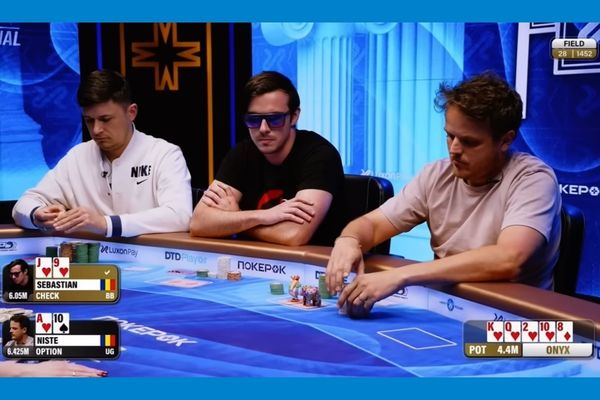
Jason Su, renowned poker mental game coach and author of The Joy of Poker, received a text message from a friend highlighting what they called “the most insane fold ever.” The hand featured Mihai Niste, one of Su’s coaching clients and a successful online grinder, making an extraordinary laydown that went viral as the ‘Sickest Poker Hand of 2025.’
What made this moment particularly significant wasn’t just the fold itself—it was the backstory. Niste had specifically sought out Su’s coaching to address this exact weakness: he understood when massive folds were theoretically correct but struggled to execute them when real money was on the line. The hand represented a breakthrough in translating knowledge into action under extreme pressure.
Su’s reaction to seeing his client’s play wasn’t surprise—it was satisfaction. This was the culmination of focused work on the mental side of poker, the aspect that separates players who can analyze hands from their couch from those who can make winning decisions when their heart is racing and thousands of dollars hang in the balance.
The Poker Strategy Breakdown
The strategic component of hero folds is often straightforward in hindsight. Most competent players can watch a hand replay and identify when a fold was correct based on betting patterns, range analysis, and opponent tendencies. The real challenge lies in the execution during live play.
When facing a massive bet or all-in, your brain processes multiple streams of information simultaneously. You’re calculating pot odds, reviewing the action sequence, considering your opponent’s possible holdings, and evaluating whether their line makes sense with bluffs or only value hands. This analytical process should lead you to the correct decision.
But here’s where theory diverges from practice: while your logical brain might be screaming “fold,” your emotional brain is fighting back. You’ve invested chips in this pot. You have a strong hand—maybe even a very strong hand. The thought of being bluffed feels intolerable. The money already in the middle feels like it belongs to you.
This internal conflict creates what Su describes as “mental noise”—the cacophony of fear, anger, ego, and attachment that drowns out your strategic knowledge. Elite players don’t avoid feeling these emotions; they’ve trained themselves to make correct decisions despite them.
The technical skill of hand reading becomes worthless if you can’t act on your reads. You might correctly narrow your opponent to a range that crushes you, but if you call anyway because you can’t stand the thought of folding, your analysis was just an expensive thought exercise.
Reading The Field & Table Dynamics
Context matters enormously when making hero folds. The same action from different opponents requires different responses, and your ability to track and adapt to player tendencies determines whether your folds are heroic or simply weak.
Against unknown opponents, you’re working with population tendencies and general frequencies. Most players at most stakes don’t bluff enough in big pots, which means when you face massive aggression, folding strong hands is often correct by default. This baseline understanding should inform your decisions until you gather specific information about an individual.
Against known opponents, your fold threshold adjusts based on their aggression frequency, their perception of you, and the specific dynamics of your recent history. A player who has seen you make big folds might be more inclined to bluff you. Conversely, someone who has never seen you fold a strong hand might be less likely to risk chips trying to move you off your hand.
Tournament situations add another layer of complexity. ICM pressure—the independent chip model that values tournament chips differently than cash game chips—can make folds correct that would be calls in cash games. Near the bubble or at final tables, the cost of being wrong increases dramatically, shifting your decision-making threshold.
Stack sizes relative to the pot and remaining effective stacks also influence your folding range. When you’re deep-stacked, you can afford to make exploitative folds and wait for better spots. When you’re short, you might need to call off with hands you’d fold in other situations because you can’t afford to wait for premium holdings.
How To Apply This To Your Game
Improving your ability to make difficult folds starts with honest self-assessment. Review your hand histories and identify spots where you called when you knew you were likely beaten. Don’t judge yourself harshly—just notice the pattern. Most players have a clear calling bias in certain situations.
Create a pre-decision routine for big decisions. Before acting on a significant bet, take a breath, acknowledge what you’re feeling, and then run through your analytical checklist. Does their line make sense with bluffs? What hands would they play this way? What does the pot size tell me about their intention? This routine creates space between impulse and action.
Practice making folds in lower-stakes games or tournaments where the financial pressure is reduced. You need repetitions of the actual behavior—clicking fold when you don’t want to—to build the neural pathway that allows you to do it when stakes are higher. Think of it like lifting weights with lighter loads to build strength for heavier ones.
Work on your presence and emotional regulation away from the table. Meditation, breathwork, or other mindfulness practices train your ability to observe your emotions without being controlled by them. When you can notice “I’m feeling angry about this bet” without that anger dictating your action, you’ve gained a massive edge.
Study spots where elite players make hero folds. Watch not just what they fold, but how they approach the decision. Many top players verbalize their thought process, giving you insight into how they sort through information under pressure. Absorb their frameworks and adapt them to your game.
Finally, reframe what a hero fold means. It’s not about being weak or scared—it’s about being strong enough to prioritize long-term winning over short-term ego protection. Every correct fold you make is money saved, which is identical to money won. Celebrate your disciplined folds the same way you’d celebrate winning a big pot.
Key Takeaways
- The difference between winning players and elite players often isn’t knowledge—it’s the ability to execute correct decisions under emotional pressure
- Mental noise from fear, anger, and ego can drown out strategic thinking; training yourself to play through these emotions is crucial for consistent success
- Being present and emotionally regulated allows you to access your poker knowledge when it matters most, not just when analyzing hands after the fact
- Hero folds require reading opponents accurately and having the discipline to act on your reads even when it feels uncomfortable
- Practice making difficult folds in lower-pressure situations to build the mental muscle needed for high-stakes decisions
- Every correct fold is money saved, which contributes to your win rate just as much as any pot you win
Frequently Asked Questions
How do I know if I’m folding too much or not enough?
Track your fold percentage in big pots and review those hands honestly. If you’re consistently folding and finding out you were ahead, you’re too tight. If you’re calling and consistently seeing opponents show up with the nuts, you’re too loose. The key metric is whether your folds would have been winners—if most of your hero folds would have lost to your opponent’s actual hand, you’re calibrated correctly.
What’s the biggest mistake players make when facing big bets?
The most common error is letting sunk cost fallacy drive decisions. Players think about the chips they’ve already invested rather than making the correct decision based on current pot odds and opponent ranges. The money you put in earlier belongs to the pot now, not to you. Each decision should be made independently based on current information.
How can I improve my mental game for making tough folds?
Start by developing a mindfulness practice away from the table—even five minutes of daily meditation can improve your ability to observe emotions without reacting to them. At the table, create a pre-decision routine that includes taking a breath and running through your analytical checklist before acting. Finally, review and celebrate your correct folds to reinforce that disciplined folding is winning poker.
Final Thoughts
The poker community loves to celebrate massive bluffs and hero calls, but hero folds might be the most underappreciated skill in the game. They require not just technical competence but genuine mental fortitude—the ability to override your ego, ignore sunk costs, and make the play that protects your long-term win rate even when it feels terrible in the moment.
Jason Su’s work with players like Mihai Niste demonstrates that this skill can be developed through deliberate practice. You don’t need to be naturally emotionless or fearless. You need to train yourself to function effectively even when you’re experiencing fear, frustration, or doubt. That’s the essence of performing under pressure in any competitive domain.
The next time you face a decision that makes your stomach drop, remember that your discomfort might be a signal that you’re about to make a winning play. The folds that feel the worst are often the ones that save you the most money. Trust your analysis, execute your decision, and move on to the next hand. That’s how champions are built—one disciplined fold at a time.
Ready to Sharpen Your Poker Game?
Master your poker game with expert hand analysis