

Negreanu’s Brutal WSOP $25K Heads-Up Exit: A Bad Beat Clinic
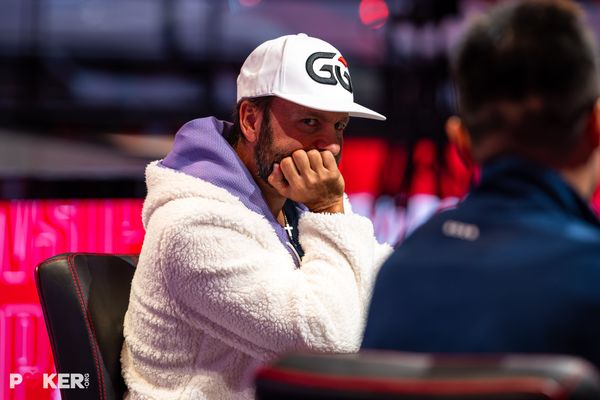
Daniel Negreanu experienced one of the most punishing sequences in recent WSOP memory during the $25K Heads-Up Championship, surrendering a massive 10:1 chip advantage before busting to Biao Ding in the Round of 16. The poker legend watched helplessly as three consecutive river cards demolished what should have been a comfortable victory, culminating in an emotional exit that left him muttering “I can’t take it anymore.”
What Happened
The 2026 WSOP $25K Heads-Up Championship delivered high drama when Daniel Negreanu faced off against Triton regular Biao Ding in Sunday’s Round of 16. Ding, with over $21 million in career earnings but still hunting his first WSOP bracelet, drew the formidable task of facing Negreanu, a seven-time bracelet winner seeking his eighth.
The match began cautiously, with Negreanu claiming first blood in a substantial pot. After Ding opened with ace-king and four-bet to 222K, Negreanu called with pocket tens. The flop brought a ten, giving Negreanu a set. Through three streets of action, Negreanu check-called twice before Ding finally surrendered on the river, unable to continue his bluff against Negreanu’s patient trap.
After two hours, both players sat near starting stacks. But Negreanu then seized control, building a commanding 2.2 million to 200K advantage—approximately 10:1 in chips. He secured this dominant position by winning a crucial pot with ace-jack against Ding’s ace-seven on a favorable board.
With Ding on life support, Negreanu had two immediate opportunities to close out the match. First, he called Ding’s 171K all-in with ace-queen against pocket fives. The board ran out clean for Ding’s pair. Immediately after, Negreanu jammed with ace-nine, but Ding’s ace-ten held up again.
Then came the devastating hand. Negreanu limped pocket kings, Ding raised with ace-jack, and Negreanu moved all-in. Ding made a questionable call with 30 big blinds. The flop and turn kept Negreanu’s kings ahead, but the river jack crushed him. Negreanu stood up from the table, visibly shaken, and walked over to Josh Arieh to process the brutal sequence.
One hand later, it was over. Negreanu shoved his remaining chips with king-nine, but Ding’s ace-five prevailed. “Oh god, that one stings,” Negreanu said as he departed the feature table.
The Poker Strategy Breakdown
Let’s dissect the critical hands that transformed this match from a Negreanu coronation into a shocking upset.
The opening set-mining hand showcases textbook heads-up play. When Ding four-bet with ace-king, Negreanu’s call with pocket tens is standard—you’re never folding a premium pocket pair heads-up, especially in position. After flopping a set, Negreanu’s check-call line is masterful. Against an aggressive opponent who’s already shown strength preflop, allowing Ding to continue barreling with his missed overcards maximizes value. The triple check-call demonstrates elite hand reading—Negreanu recognized that Ding’s aggression would continue and that check-raising would only fold out worse hands.
The ace-jack versus ace-seven pot that gave Negreanu his massive lead represents standard heads-up variance. With two players holding ace-x hands, the better kicker typically prevails when an ace arrives. This hand illustrates why kicker strength matters enormously in heads-up play.
The first all-in confrontation—ace-queen versus pocket fives—reveals an interesting dynamic. Negreanu’s call is automatic with ace-queen when facing a short stack shove. He’s ahead of most ace-x hands and racing against small pairs. The math heavily favors calling. Ding’s survival here was fortunate but not remarkable.
The second all-in—ace-nine versus ace-ten—is closer. Negreanu’s shove with ace-nine when holding a massive chip lead applies maximum pressure. Ding’s call with ace-ten is correct given his desperate situation. These hands are nearly flipping, with ace-ten holding approximately 70% equity.
The pocket kings hand represents the match’s turning point and deserves deeper analysis. Negreanu’s limp with kings is a sophisticated play designed to induce action. When Ding obliges by raising with ace-jack, Negreanu’s shove is standard. Here’s where it gets interesting: Ding’s call with ace-jack for 30 big blinds is extremely loose. He’s calling off a significant portion of his stack with a hand that’s crushed by Negreanu’s value range. This call only makes sense if Ding believed Negreanu was capable of shoving light—which, given the heads-up format and Negreanu’s aggressive image, isn’t unreasonable. However, mathematically, this call is marginal at best.
The poker gods rewarded Ding’s loose call when the jack spiked on the river. Negreanu was one card away from victory, holding approximately 91% equity on the turn. The three-outer that arrived represents the cruelest aspect of poker—perfect play can still result in disaster.
Reading The Field & Table Dynamics
Heads-up poker creates unique psychological pressure that doesn’t exist in full-ring games. Every hand matters. Every decision is visible. There’s no hiding, no waiting for premium holdings. The feature table amplifies this pressure exponentially.
Negreanu entered this match as the favorite based on experience and bracelet count. However, Ding’s Triton success demonstrates his elite credentials. The $21 million in earnings didn’t come from luck—Ding has proven himself against the world’s best in high-stakes environments.
When Negreanu built his 10:1 chip lead, the match dynamics shifted dramatically. With such a commanding advantage, Negreanu could apply relentless pressure, forcing Ding into difficult decisions for his tournament life. This is where short-stack play becomes critical. Ding needed to find spots to double up, and quickly.
Ding’s survival in the first two all-in confrontations changed everything. In heads-up play, momentum swings can be dramatic. Each double-up doesn’t just restore chips—it restores hope and confidence while simultaneously planting doubt in the opponent’s mind.
The pocket kings hand illustrates a crucial heads-up concept: when you’re short-stacked, you sometimes need to make loose calls to stay alive. Ding’s ace-jack call, while mathematically questionable, reflects the reality that waiting for premium hands might mean blinding away. He needed to gamble, and the poker gods smiled on his aggression.
Negreanu’s emotional response—walking away from the table, seeking consolation from Arieh—reveals the psychological toll of bad beats in high-stakes situations. Even the most experienced professionals struggle when variance strikes repeatedly. The visible frustration likely affected his final hand, though shoving king-nine in a desperate situation is standard.
How To Apply This To Your Game
This match offers several actionable lessons for players at all levels.
First, understand that chip leads in heads-up play are more fragile than they appear. A 10:1 advantage feels insurmountable, but in heads-up, one or two double-ups can completely reverse fortunes. Don’t become complacent when ahead. Maintain focus and discipline regardless of stack sizes.
Second, practice emotional control after bad beats. Negreanu’s visible frustration is understandable—he’s human—but emotional tilt can lead to suboptimal decisions. When variance strikes, take a moment to reset mentally. Walk away if needed, but return with a clear head. The next hand doesn’t know about the previous one.
Third, recognize when to slow-play premium hands. Negreanu’s limp with pocket kings created action. In heads-up play, varying your preflop strategy prevents opponents from reading your hand strength based on bet sizing. Sometimes limping your strongest hands induces aggression from opponents who sense weakness.
Fourth, understand short-stack mathematics. When you’re down to 30 big blinds or fewer in heads-up play, you need to take stands with hands that might seem marginal in full-ring games. Ding’s ace-jack call, while loose, reflects the reality that short stacks require calculated risks.
Fifth, maximize value through check-calling when you flop monsters against aggressive opponents. Negreanu’s triple check-call with top set extracted maximum value because Ding continued betting his missed hand. Against passive opponents, you might need to bet for value. Against aggressive opponents, let them hang themselves.
Finally, accept that poker involves unavoidable variance. You can play perfectly and still lose. Negreanu made correct decisions throughout this sequence but got punished by the deck. The key is focusing on process over results. Make optimal decisions consistently, and long-term results will follow.
Key Takeaways
- Even massive chip leads in heads-up play can evaporate quickly through a few unlucky hands—maintain discipline regardless of stack sizes
- Slow-playing premium hands like pocket kings through limping can induce action from aggressive opponents in heads-up situations
- Short-stack play requires looser calling ranges than deep-stack play; waiting for premium hands can mean blinding away
- Check-calling with strong hands against aggressive opponents often extracts more value than leading out with bets
- Emotional control after bad beats is crucial—even elite professionals struggle with this aspect of the game
- Process matters more than results in individual sessions; focus on making optimal decisions rather than outcomes you can’t control
Frequently Asked Questions
Was Biao Ding’s call with ace-jack against Negreanu’s pocket kings correct?
Mathematically, calling 30 big blinds with ace-jack is extremely loose and generally incorrect. Ding was dominated by most of Negreanu’s shoving range. However, in the context of heads-up play with mounting blinds and the need to accumulate chips, Ding’s call reflects a calculated gamble. While the math doesn’t support it, the situational dynamics—needing to double up quickly rather than slowly blinding away—provide some justification. The result doesn’t validate the decision, but it worked out in this instance.
How should you handle emotional tilt after experiencing multiple bad beats in succession?
Professional players recommend several strategies: take a physical break from the table if possible, practice deep breathing to reset your nervous system, remind yourself that variance is inherent to poker, and focus on whether your decisions were correct rather than the outcomes. If you’re in a tournament and can’t leave, take extra time before making decisions and consciously slow down your thought process. Consider talking through hands with a trusted friend, as Negreanu did with Josh Arieh, to process the emotions and gain perspective.
What’s the optimal strategy when you have a 10:1 chip lead in heads-up play?
With a commanding chip lead, you should apply consistent pressure through aggressive betting and raising, forcing your short-stacked opponent into difficult decisions for their tournament life. However, avoid unnecessary gambles with marginal hands—let the blinds and antes do the work. Focus on small-ball poker, winning numerous small pots rather than risking your lead in massive confrontations. When you do get involved in big pots, ensure you have strong holdings or excellent fold equity. The key is maintaining relentless pressure while avoiding spots where you’re flipping or behind.
Final Thoughts
Daniel Negreanu’s elimination from the $25K Heads-Up Championship serves as a masterclass in poker’s cruel variance. He played nearly perfect poker, built a dominant chip lead, and found himself one card away from victory multiple times. Yet he walked away empty-handed, a victim of mathematical improbability striking at the worst possible moments.
This match reminds us why poker remains both fascinating and frustrating. Skill creates edges, but variance determines individual outcomes. The best players in the world can execute flawlessly and still lose. What separates professionals from amateurs isn’t avoiding bad beats—it’s how they respond to them and continue making optimal decisions despite the emotional toll.
For Biao Ding, this victory represents the kind of fortunate run that every tournament champion needs at some point. His loose call with ace-jack got rewarded, his short-stack doubles came through, and he capitalized on the momentum shift. Sometimes poker rewards courage, even when the math suggests caution. The key question is whether Ding can convert this lucky break into a deep run and perhaps that elusive first WSOP bracelet.
Ready to Sharpen Your Poker Game?
Master your poker game with expert hand analysis
