ODB’s WSOP Fantasy Draft: Why Deeb Will Dominate 2026
David ‘ODB’ Baker is calling his shot: Shaun Deeb will be the runaway number one pick at the 2026 WSOP $25K Fantasy Draft, and it won’t even be competitive. With the new $1 million Player of the Year prize pool adding fuel to the summer grind, Baker believes Deeb’s value will eclipse last year’s top picks by a significant margin—potentially $20 or more.
What Happened
As the 2026 World Series of Poker approaches, the poker community’s attention turns not just to bracelets and big scores, but to one of the summer’s most popular side attractions: David ‘ODB’ Baker’s Fantasy League. Now in its 12th year, the league has become a phenomenon, drawing 873 entries in 2025 and showing no signs of slowing down.
The centerpiece of Baker’s fantasy empire is the $25K Fantasy Draft, where high-stakes players with healthy egos and even healthier bankrolls gather to assign values to the world’s best tournament grinders. It’s here that the entire fantasy ecosystem gets its pricing structure, and where bragging rights are established before a single card is dealt at the Rio.
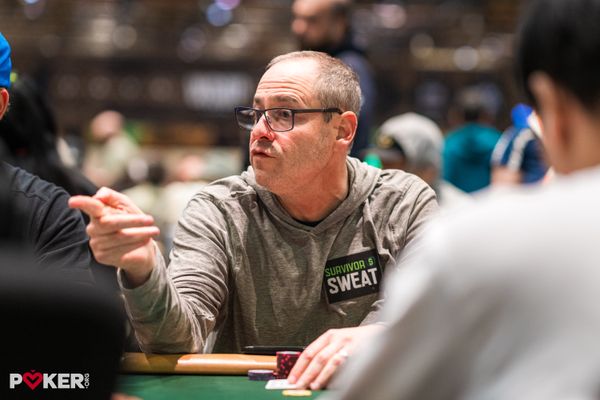
Baker, who has four WSOP bracelets to his name including a 2025 victory in the $5K Seniors High Roller, has a bold prediction for this year’s draft. He expects Shaun Deeb to shatter previous records and separate himself from the pack in a way we haven’t seen before. Last year, Jeremy Ausmus commanded top dollar, while Deeb scored the most fantasy points despite going for “only” $99. This year, Baker anticipates a correction—and then some.
The timing couldn’t be better for fantasy participation. The WSOP’s revamped Player of the Year format, featuring a $1 million prize pool, has created additional incentive for pros to play more events and grind harder throughout the series. This shift fundamentally changes the calculus for fantasy players trying to build winning rosters.
The Poker Strategy Breakdown
Understanding fantasy poker strategy requires a different analytical framework than playing actual poker. While hand reading and GTO principles dominate at the felt, fantasy success hinges on volume projection, variance tolerance, and roster construction theory.
Baker’s confidence in Deeb stems from multiple strategic factors. First, there’s the volume component. Deeb is notorious for playing virtually every bracelet event he’s eligible for, maximizing his opportunities to accumulate fantasy points. In fantasy scoring, consistency across many tournaments often outperforms singular big scores, making grinders more valuable than selective high-roller specialists.
The new POY structure amplifies this advantage. With seven-figure incentives on the line, players like Deeb who were already inclined toward high-volume schedules now have additional motivation to maintain that pace. This creates a compounding effect for fantasy owners: more events played, more deep runs, more points accumulated.
Baker also highlighted an interesting strategic consideration regarding player types. He pointed to Michael Moncek as an example of a “boom-or-bust” fantasy asset—someone willing to fire multiple bullets in tournaments to maximize win equity, even if it tanks their ROI. “It’s definitely advantageous to have people that are more worried about their win percentage rather than their actual ROI,” Baker explained. These players prioritize tournament victories over profit margins, which translates directly to fantasy upside.
The roster construction puzzle involves balancing premium picks against value plays. With limited budget, fantasy players must decide between a top-heavy approach—paying up for elite players like Deeb and filling out the roster with bargain options—or a more balanced distribution. Baker suggests that with plenty of $1-5 players committing to full schedules, the premium tier should hold stronger value this year. You can afford to pay up at the top when solid volume plays are available at the bottom.
There’s also the meta-game consideration. Baker noted that one of the teams known for employing a “pay for the top player and build around them” strategy won’t be participating this year. This could theoretically depress Deeb’s price, though Baker still expects him to command a significant premium. Understanding these draft dynamics—who’s playing, what strategies they favor, how aggressive they’ll be—adds another strategic layer to the competition.
Reading The Field & Table Dynamics
The $25K Fantasy Draft isn’t just about evaluating poker players—it’s about evaluating the evaluators. Baker describes the participant pool as “basically a bunch of degenerates who have big egos,” and he counts himself among them. These egos create market inefficiencies that sharp fantasy players can exploit.
Player pricing in fantasy poker operates like any market: it’s driven by perception, not just reality. A player’s draft cost reflects what others believe they’re worth, which doesn’t always align with their actual expected fantasy point production. This creates opportunities for contrarian plays and value hunting.
Consider the psychological dynamics at play. Professional poker players participating in the draft have relationships, rivalries, and opinions about their peers. Someone might overpay for a friend or student. Another might fade a player they’ve had conflicts with, even if the value is there. These human elements create pricing inefficiencies that don’t exist in the actual poker games.
The draft also reveals fascinating insights into how poker players value themselves and others. Only six players commanded three-figure prices in 2025, including Daniel Negreanu and Nick Schulman. This exclusive club represents the perceived elite—players whose combination of skill, volume, and variance tolerance makes them fantasy gold. Breaking into or falling out of this tier carries real ego implications for competitors who care deeply about peer perception.
Baker himself admits to competitive feelings about his own draft price. “I’m not going to let myself go cheap,” he said, revealing how personal pride influences market dynamics. When players are drafting each other, the prices become statements about respect and hierarchy within the poker community.
The field dynamics also shift based on who’s in the draft room. Aggressive bidders drive prices up. Conservative builders create value opportunities. Understanding the tendencies of your fellow drafters—their risk tolerance, their favorite players, their strategic approach—becomes as important as evaluating the actual poker players being selected.
How To Apply This To Your Game
While most poker players won’t participate in the $25K Fantasy Draft, the strategic principles translate directly to both fantasy play at accessible price points and actual poker decision-making.
First, embrace volume as a strategic advantage. Whether you’re playing fantasy or grinding tournaments yourself, consistency matters more than most players realize. Deeb’s fantasy value comes largely from showing up and playing well across dozens of events. Similarly, your poker results will improve more from playing regularly with solid fundamentals than from occasionally playing your A-game.
Second, understand the difference between win equity and ROI, and know when to prioritize each. In tournament poker, there are times when taking a slightly -EV line increases your chances of accumulating chips and making a deep run. If you’re playing fantasy or staking yourself in a tournament series, sometimes maximizing your chances at a big score matters more than grinding out marginal edges.
Third, practice contrarian thinking. Baker’s insights about market inefficiencies in fantasy drafting apply equally to poker tables. When everyone at your table is playing the same strategy or targeting the same spots, there’s often more value in zigging while they zag. Don’t automatically follow the crowd’s valuation of hands, players, or situations.
Fourth, consider the meta-game. Just as fantasy drafters must account for who else is in the room and what strategies they favor, poker players should constantly evaluate table dynamics and adjust accordingly. Your strategy in a tournament should shift based on whether you’re surrounded by tight players or maniacs, just as your fantasy draft strategy should shift based on who you’re drafting against.
Finally, if you’re not already playing fantasy poker, consider jumping in. Baker’s league and others like it offer an accessible way to stay engaged with the WSOP even if you can’t play every event. It transforms watching poker from passive entertainment into active competition, giving you rooting interests across the entire series. With free daily streams available throughout the 2026 WSOP, you can sweat your fantasy team in real-time, learning from how top players navigate different tournament situations.
Key Takeaways
- Shaun Deeb is projected to be the clear number one fantasy pick at the 2026 WSOP, potentially going for $20 more than the second-highest player due to his volume and the new POY structure
- The $1 million Player of the Year prize pool will incentivize more grinding from top players, fundamentally changing fantasy roster construction dynamics
- Volume and consistency often provide more fantasy value than selective high-roller play, making full-schedule grinders premium assets
- Fantasy poker drafts reveal market inefficiencies driven by ego, relationships, and perception that sharp players can exploit
- A top-heavy roster construction strategy makes more sense when quality volume plays are available at low prices
- Baker’s ODB Fantasy League has grown to 873 entries and continues expanding, offering accessible ways for fans to engage with the WSOP
Frequently Asked Questions
How does WSOP fantasy poker scoring work?
Fantasy poker scoring typically awards points based on tournament finishes, with more points for deeper runs and wins. Players earn points across all events they enter during the WSOP, making volume a crucial factor. Different fantasy leagues may use slightly different scoring systems, but the core principle rewards both consistency and big scores. The ODB Fantasy League has been refining its scoring system for over a decade to create the most competitive and engaging format possible.
Why is Shaun Deeb considered such a strong fantasy pick?
Deeb combines elite tournament skill with exceptional volume, playing nearly every bracelet event he’s eligible for during the WSOP. This combination maximizes his opportunities to accumulate fantasy points through deep runs and cashes. He was the highest fantasy points scorer in 2025 despite not being the most expensive draft pick, demonstrating his value. The new $1 million Player of the Year prize pool further incentivizes his already high-volume approach, making him even more valuable for fantasy purposes.
What’s the advantage of “boom-or-bust” players in fantasy poker?
Players willing to fire multiple bullets in tournaments prioritize win equity over ROI, which increases their chances of making deep runs and winning events. While this approach may be less profitable from a pure poker economics standpoint, it generates more fantasy points by creating more opportunities for high finishes. These players are essentially trading bankroll efficiency for variance, which is exactly what fantasy owners want—maximum upside for tournament victories and final tables that generate significant points.
Final Thoughts
David Baker’s prediction about Shaun Deeb’s dominance in the 2026 WSOP Fantasy Draft reflects deeper truths about value, volume, and what actually matters in tournament poker success. While the $25K draft represents the highest stakes version of fantasy play, the principles apply whether you’re building a roster or building your own poker career.
The growth of Baker’s fantasy league from a small group of friends to nearly 900 entries demonstrates poker’s evolution as a spectator sport and community experience. Fantasy transforms passive watching into active participation, creating connections between fans and the game’s biggest events. As the WSOP continues expanding its media coverage and accessibility, fantasy play offers an entry point for anyone who wants to feel invested in the summer’s biggest poker festival.
Whether Deeb actually becomes the runaway number one pick remains to be seen, but Baker’s track record of understanding both poker and fantasy dynamics makes his prediction worth taking seriously. One thing is certain: the 2026 WSOP promises more action, more grinding, and more fantasy sweat than ever before. The question is whether you’ll be watching from the sidelines or building your own roster to compete.
Ready to Sharpen Your Poker Game?
Master your poker game with expert hand analysis