5 Unforgettable WSOP Main Event Hands That Changed History
The World Series of Poker Main Event has produced some of the most dramatic, controversial, and heartbreaking hands in poker history. From legendary blowups to coolers that crushed championship dreams, these five hands showcase why the Main Event remains poker’s ultimate proving ground.
What Happened
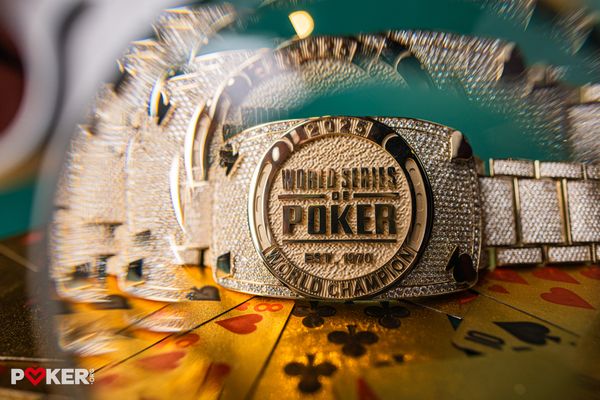
The WSOP Main Event isn’t just about who takes home the bracelet—it’s about the journey, the pivotal moments, and the hands that define careers. Over decades of competition, certain hands have transcended the felt to become part of poker folklore.
In 2008, Phil Hellmuth delivered one of his most memorable tirades after running his set straight into Adam Levy’s nuts. The hand began innocuously enough, but a devastating turn card gave Hellmuth three of a kind while simultaneously completing Levy’s Broadway straight. When the river bricked and Hellmuth led out only to face a raise, the Poker Brat’s world came crashing down. His reaction became instant legend: berating Levy’s preflop call with queen-ten, storming away from the table with expletives flying, and delivering the immortal line about opponents not knowing how to spell poker.
Fast forward to 2021, and Nicholas Rigby coined a new term in poker lexicon with “The Dirty Diaper”—his seven-deuce offsuit. Deep on Day 6, Rigby found himself in a blind-versus-blind confrontation with Ron Jensen. Despite holding the worst possible starting hand, Rigby three-bet in position against Jensen’s opening raise. When Jensen fired back with a four-bet holding pocket queens, most players would have abandoned ship. Not Rigby. He called with clear intentions to outplay his opponent postflop, and when the board came down favorably, he executed a masterful bluff that sent Jensen’s premium pair into the muck.
The 2009 Main Event final table saw Phil Ivey finally reach poker’s biggest stage after narrowly missing in 2003. With only eight opponents between him and glory, Ivey found himself all-in with ace-king against Darvin Moon’s pocket queens. The crowd erupted as the cards were revealed, but poker’s cruel variance had other plans. The board ran out clean for Moon, and Ivey’s Main Event dreams evaporated in front of millions of viewers.
Perhaps no hand carries more historical weight than Stu Ungar’s final Main Event victory in 1997. Staked by Billy Baxter after a last-minute registration, Ungar dominated the tournament and reached heads-up play against John Strzemp holding over a third of the chips in play. The final hand saw Ungar get his money in behind, but a miraculous river card delivered him his third Main Event title. In his winner’s interview, Ungar dedicated the victory to his daughter Stephanie. Tragically, this would be his final tournament cash before his death just over a year later.
More recently, the 2024 Main Event saw Kristen Foxen’s deep run end in controversial fashion in 13th place. Against Joe Serock, Foxen moved all-in on the turn with second pair and a blocker to the nut straight. Serock held top two pair—an unmuckable hand at that stage—and Foxen found herself drawing to just four outs with one already in the muck. The river offered no salvation, ending her championship aspirations to a standing ovation from the crowd.
The Poker Strategy Breakdown
Each of these hands offers critical strategic lessons that extend far beyond the specific circumstances. Let’s dissect the decision-making processes and strategic considerations at play.
The Hellmuth-Levy hand illustrates a fundamental truth about poker: results-oriented thinking clouds judgment. Hellmuth’s anger stemmed from Levy’s preflop call with queen-ten, which he deemed incorrect. However, this analysis ignores several key factors. First, Levy’s position, stack sizes, and read on Hellmuth all factor into the decision. Second, even if the call was marginally -EV in isolation, poker is a game of ranges and exploitation. If Hellmuth was raising too wide from that position, defending with suited connectors and broadway combinations becomes profitable.
The actual postflop play reveals more interesting dynamics. When the turn delivered both a set and a straight, both players were essentially playing their hands face-up. Hellmuth’s value bet and call of the raise shows he put Levy on a range that included worse hands—perhaps two pair or a worse set. This is actually sound reasoning given that straights are less common than sets in most turn scenarios. The hand demonstrates why we play poker despite variance: both players made reasonable decisions based on incomplete information.
Rigby’s “Dirty Diaper” hand showcases advanced blind-versus-blind dynamics and the power of position. His decision to three-bet seven-deuce offsuit seems insane on the surface, but consider the context: late in a major tournament, blind-versus-blind confrontations become increasingly important for chip accumulation. Rigby recognized that his positional advantage and perceived range strength could overcome his actual hand weakness.
The four-bet call is where things get truly interesting. This play only makes sense if Rigby has a strong read that he can outplay his opponent postflop. He’s essentially turning his hand into a bluff-catcher that he plans to turn into a bluff. When the flop came down, Rigby leveraged his perceived range advantage—Jensen likely put him on a strong hand given the cold-call of a four-bet—to apply maximum pressure. This is high-variance tournament poker at its finest: using fold equity and perceived ranges to win pots you have no business winning.
Ivey’s all-in with ace-king against pocket queens represents a classic race situation that every tournament player faces. With 43-57% equity, Ivey was slightly behind but getting the right price given the pot odds and tournament situation. The strategic lesson here isn’t about the specific hand but about accepting variance in tournament poker. You can’t win a Main Event without winning crucial flips, and Ivey’s willingness to put his tournament life on the line with a strong hand shows the aggressive mindset required to accumulate chips.
Foxen’s turn shove against Serock has been heavily debated in poker circles. She held second pair with a blocker to the nut straight, facing a board that heavily favored her opponent’s range. The shove represents a semi-bluff that folds out better hands while maintaining equity against calling ranges. However, at the Main Event final table with significant pay jumps, this high-variance play invited disaster. Serock’s calling range is heavily weighted toward hands that have Foxen crushed—top pair or better, which he can never fold given stack depths and pot size.
The strategic error wasn’t necessarily the aggression itself but the timing and opponent selection. Against a player likely to fold marginal holdings, the shove has merit. Against a player with a strong range and big stack who can call comfortably, it’s lighting money on fire. This highlights a crucial tournament concept: the same play can be brilliant or disastrous depending on opponent tendencies and tournament dynamics.
Reading The Field & Table Dynamics
Understanding table dynamics and player psychology separates good tournament players from great ones. Each of these hands occurred within specific contexts that influenced decision-making.
Hellmuth’s blowup reveals more about his mental game than his technical skills. His inability to separate results from process—a fundamental poker skill—has cost him countless chips over his career. While his 17 WSOP bracelets prove his technical prowess, his emotional volatility creates exploitable patterns. Observant opponents recognize that Hellmuth on tilt makes different decisions than Hellmuth in equilibrium, and they adjust accordingly.
The timing of Rigby’s “Dirty Diaper” play matters enormously. Late on Day 6, with the final table in sight, blind battles become increasingly crucial. Players tighten up to avoid busting on the bubble of poker’s biggest stage, creating opportunities for aggressive players to accumulate chips. Rigby recognized this dynamic and exploited it ruthlessly. His willingness to put his tournament life at risk with the worst possible hand shows the fearlessness required to win major tournaments.
Ivey’s 2009 final table appearance came with massive expectations. As one of poker’s most feared players, his presence at the final table created a target on his back. Moon’s willingness to call all-in with pocket queens—a hand many players might fold against Ivey’s perceived range—shows how final table dynamics differ from earlier stages. With millions on the line and limited information about opponents, players make stands with hands they might fold in cash games or earlier tournament stages.
Ungar’s 1997 victory occurred in a vastly different poker landscape. The outdoor final table on Fremont Street, the smaller field, and the pre-internet poker boom created unique dynamics. Ungar’s chip lead heading into heads-up play gave him enormous leverage, allowing him to apply maximum pressure. His willingness to get chips in behind on the final hand shows the confidence that comes from dominating a tournament—he knew he could outplay his opponent over time, so one hand didn’t define the match.
Foxen’s 13th place finish in 2024 came with significant ICM pressure. The pay jumps at the Main Event final table are massive, creating situations where chip accumulation must be balanced against survival. Her aggressive turn shove suggests she was playing to win rather than ladder, a defensible strategy but one that invites high variance. The standing ovation she received despite busting shows the poker community’s respect for aggressive play, even when it doesn’t work out.
How To Apply This To Your Game
These historic hands offer actionable lessons you can implement immediately in your own tournament play.
First, manage your emotions like your tournament life depends on it—because it does. Hellmuth’s tirade didn’t just embarrass him; it telegraphed his mental state to every opponent at the table. When you suffer a bad beat, take a walk, count to ten, or employ whatever technique keeps you centered. Your next hand doesn’t care about your last hand, and neither should you.
Second, recognize that position is worth more than your actual holding in many situations. Rigby’s “Dirty Diaper” play only works because he has position throughout the hand. In blind-versus-blind battles, the button has enormous advantages that justify wider ranges and more aggressive play. Don’t be afraid to three-bet light from the button against opponents who fold too much, but make sure you have a plan for when they don’t fold.
Third, accept that you’ll lose crucial flips and that’s okay. Ivey’s loss with ace-king doesn’t diminish the correctness of his play. In tournament poker, you must be willing to put your chips at risk with strong hands even when you’re not a favorite. The alternative—waiting for the nuts—ensures you’ll blind down and bust without accumulating chips.
Fourth, study ICM and understand how tournament stage affects optimal strategy. Foxen’s turn shove might be correct in a cash game or early tournament stage but becomes questionable near the final table with massive pay jumps. Use ICM calculators to understand when to apply pressure and when to exercise caution based on stack sizes and payout structures.
Fifth, develop opponent-specific strategies rather than playing a one-size-fits-all approach. The same play that works against a tight player fails against a calling station. Before making a big bluff or hero call, ask yourself: “What is this specific opponent’s range and tendency in this exact situation?” Generic strategies produce generic results.
Key Takeaways
- Emotional control is as important as technical skill—tilt costs more chips than bad beats ever will
- Position allows you to play weaker hands profitably, especially in blind-versus-blind confrontations late in tournaments
- Accepting variance and being willing to flip for your tournament life is essential for chip accumulation
- ICM considerations should heavily influence your strategy near final tables and major pay jumps
- Opponent-specific adjustments trump GTO strategies in tournament poker where you face the same players repeatedly
- The same play can be brilliant or disastrous depending on timing, opponent tendencies, and tournament dynamics
Frequently Asked Questions
Was Phil Hellmuth right to be angry about Levy’s queen-ten call?
While Hellmuth’s frustration is understandable after losing a big pot, his analysis was flawed. Whether Levy’s preflop call was correct depends on multiple factors including position, stack sizes, and his read on Hellmuth’s range. If Hellmuth was raising too wide, defending with suited connectors and broadway hands becomes profitable. More importantly, results-oriented thinking—judging a decision based on outcome rather than process—is a fundamental error in poker strategy.
How do you know when to make a hero bluff like Rigby’s “Dirty Diaper” play?
Hero bluffs require several conditions: significant fold equity, a credible story based on your perceived range, and an opponent capable of folding strong hands. Rigby’s play worked because his three-bet and call of a four-bet represented an extremely strong range, the board texture favored his perceived holdings, and he had position throughout. Don’t attempt these plays against calling stations or when your story doesn’t make sense based on your previous actions.
How should ICM considerations change your strategy at WSOP Main Event final tables?
ICM (Independent Chip Model) becomes crucial near final tables because chip values don’t equal dollar values—losing chips hurts more than gaining the same number helps. This means you should generally play tighter against medium stacks (who can bust you), more aggressively against short stacks (who are desperate), and carefully against big stacks (who can call without risk). Pay jumps also matter: if there’s a massive pay increase for one more elimination, survival becomes more valuable than chip accumulation.
Final Thoughts
The WSOP Main Event creates moments that transcend poker itself. These hands remind us why we love this game: the drama, the variance, the human element that no algorithm can fully capture. Whether it’s Hellmuth’s emotional explosion, Rigby’s audacious bluff, Ivey’s cruel cooler, Ungar’s miraculous river, or Foxen’s controversial shove, each hand tells a story about courage, calculation, and the thin line between glory and disaster.
What separates these moments from ordinary hands isn’t just the stakes or the stage—it’s the willingness of players to make bold decisions under immense pressure. They remind us that poker rewards both technical excellence and mental fortitude, that the best play doesn’t always win, and that how you handle defeat often matters more than how you celebrate victory.
As you prepare for your next tournament, remember these hands. Study the strategy, understand the context, and apply the lessons. But most importantly, develop the emotional resilience to handle whatever variance throws your way. The cards don’t care about your feelings, your bankroll, or your dreams—but how you respond to them determines whether you’re just another player or someone who creates memorable moments of your own.
Ready to Sharpen Your Poker Game?
Master your poker game with expert hand analysis