The Lodge Card Club: Financial Freeze Amid Investigation
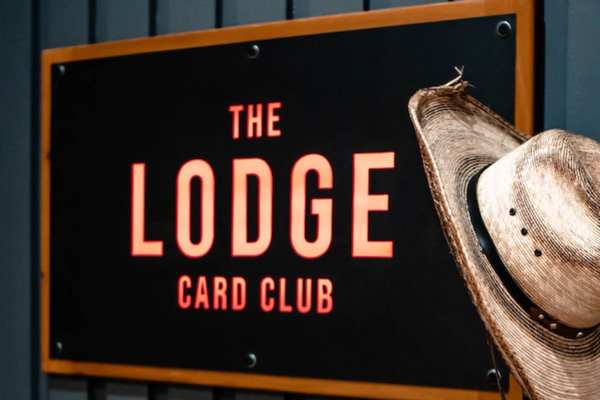
The Lodge Card Club in Round Rock, Texas has confirmed all business assets and bank accounts remain frozen following last week’s regulatory raid, though authorities have yet to file criminal charges. The poker venue, co-owned by prominent poker personalities Doug Polk, Brad Owen, and Andrew Neeme, faces an uncertain future as investigations into alleged money laundering and illegal gambling continue.
What Happened
The situation escalated rapidly when the Texas Alcohol and Beverage Commission (TABC) executed a search warrant at The Lodge earlier this week. Director of Communications Chris Porter publicly acknowledged the operation centered on suspected money laundering activities and potential violations of Texas gambling statutes.
In a Sunday statement released to the poker community, The Lodge management disclosed that all financial resources have been seized as part of the ongoing probe. The club emphasized that despite the asset freeze and operational shutdown, no formal charges have been brought against the business or its ownership group.
The poker room has pledged full cooperation with investigating authorities while expressing frustration over the limited information being shared about the investigation’s scope and expected duration. Management highlighted concerns not just for the business entity itself, but for the extensive network of employees, vendors, and community stakeholders who depend on the venue’s operations.
Doug Polk took to social media platforms characterizing the investigation as a “witch hunt,” while simultaneously offering personal guarantees that all player funds would be protected regardless of the investigation’s outcome. This public commitment represents a significant personal financial exposure for the poker professional.
The Business Risk Assessment
From a strategic business perspective, The Lodge finds itself in a precarious position that mirrors high-stakes tournament play with a short stack facing mounting blinds. The complete freeze of operational capital creates immediate cash flow challenges that compound with each passing day.
The poker industry operates on relatively thin margins despite high gross revenues. Card rooms generate income through rake and tournament fees, but face substantial fixed costs including lease payments, utilities, insurance, and most significantly, payroll obligations. With hundreds of employees ranging from dealers to floor managers, security personnel to kitchen staff, the financial burden accumulates rapidly.
Unlike traditional businesses that might maintain substantial cash reserves, poker rooms typically cycle revenue quickly. Player deposits must remain segregated and available for withdrawal, meaning operational funds come exclusively from house earnings. When those accounts freeze, the business loses all financial flexibility.
The reputational dimension adds another layer of complexity. Poker venues thrive on trust—players must believe their funds are secure, games are fair, and management operates with integrity. Even unfounded allegations can trigger player migration to competing venues, creating a competitive disadvantage that persists long after legal matters resolve.
The Lodge’s statement acknowledging uncertainty about reopening timelines reflects the reality that investigations of this nature often extend for months. Federal and state authorities work methodically through financial records, interview witnesses, and build comprehensive cases before determining whether charges are warranted.
Reading The Regulatory Landscape & Industry Dynamics
Texas occupies unique territory in the American poker ecosystem. The state prohibits traditional casino gambling but permits card rooms under specific conditions through a legal framework that many consider ambiguous. Venues operate in what some describe as a gray area, relying on interpretations of statutes that distinguish between house-banked games and player-pooled competitions.
The TABC’s involvement signals potential concerns beyond simple gaming license violations. Money laundering investigations typically involve federal agencies and suggest authorities may suspect the venue facilitated financial crimes beyond the poker tables themselves. Such probes often examine whether businesses adequately implemented anti-money laundering protocols, verified customer identities, and reported suspicious transactions.
The poker community has witnessed similar regulatory actions at other venues nationwide. California card rooms have faced scrutiny over game offerings and compliance with banking restrictions. Florida saw high-profile raids on poker rooms alleged to have exceeded legal gaming parameters. Each case reinforces that poker businesses operate under constant regulatory observation.
For The Lodge specifically, its high profile created both advantages and vulnerabilities. The venue attracted significant player traffic through its association with popular poker content creators, but that visibility also drew attention from regulatory bodies monitoring the industry. Streaming operations, social media promotion, and celebrity player appearances all contributed to a public footprint that made the business impossible to ignore.
The competitive dynamics in the Texas poker market add further pressure. Austin and surrounding areas host multiple poker venues competing for the same player pool. Extended closure allows competitors to absorb The Lodge’s regular customers, building new habits and loyalties that may prove difficult to recapture even after reopening.
How To Apply This To Your Poker Business Decisions
For poker players and industry professionals, The Lodge situation offers valuable lessons in risk management and due diligence. Understanding where you play and how venues operate directly impacts your financial security.
First, diversify your poker bankroll across multiple venues and accounts. Concentrating funds in a single location exposes you to institutional risk beyond your control. Even if Doug Polk’s personal guarantee proves reliable, players face potential delays accessing funds during investigations. Spreading bankroll across different card rooms, online platforms, and personal reserves provides insurance against venue-specific disruptions.
Second, research the regulatory standing of venues where you play regularly. Card rooms operating in legally ambiguous environments carry higher risk profiles than those in clearly regulated markets. This doesn’t mean avoiding such venues entirely, but rather calibrating your exposure appropriately. Keep only necessary playing funds on deposit rather than treating the venue as a banking institution.
Third, maintain meticulous personal records of deposits, withdrawals, and session results. If a venue faces legal challenges, comprehensive documentation protects your interests. Players may need to demonstrate legitimate ownership of funds, verify transaction histories, or provide evidence to support claims during asset recovery processes.
For poker industry employees, the situation underscores employment risk in gray-market environments. Dealers, floor staff, and other venue employees should maintain emergency funds to weather unexpected closures and keep professional networks active to facilitate rapid job transitions if necessary.
Business owners and investors in poker ventures must implement robust compliance programs that exceed minimum legal requirements. The cost of comprehensive anti-money laundering systems, legal counsel, and regulatory consultation represents essential insurance against catastrophic business interruption.
Key Takeaways
- The Lodge Card Club’s assets and bank accounts remain frozen during an ongoing investigation into suspected money laundering and illegal gambling, though no charges have been filed against the business or its owners
- The venue has no timeline for when operations might resume, creating significant financial pressure on the business and hundreds of employees who depend on it for their livelihoods
- Co-owner Doug Polk has personally guaranteed all player funds despite the asset freeze, representing substantial personal financial exposure
- The situation highlights inherent risks in poker venues operating within legally ambiguous regulatory frameworks, particularly in states like Texas with complex gaming laws
- Players should diversify bankroll storage across multiple venues and maintain detailed financial records to protect their interests during venue disruptions
- Extended closure allows competitors to capture The Lodge’s market share, potentially creating long-term business challenges even after legal matters resolve
Frequently Asked Questions
Are player funds at The Lodge safe despite the asset freeze?
Doug Polk has publicly committed to personally guaranteeing all player funds, which provides some reassurance. However, frozen assets may delay access to funds even if they’re ultimately secure. Players with significant balances should monitor official communications from The Lodge and consider consulting legal counsel if they face financial hardship due to inaccessible funds. The fact that no charges have been filed suggests this remains an investigation rather than a criminal prosecution, which generally bodes better for eventual fund recovery.
How long do investigations like this typically take?
Money laundering and illegal gambling investigations vary widely in duration depending on complexity and scope. Simple cases might resolve in weeks, while comprehensive federal investigations can extend for months or even years. The Lodge’s statement acknowledging uncertainty about timelines reflects this reality. Authorities must review financial records, interview witnesses, analyze transaction patterns, and determine whether evidence supports criminal charges. The absence of immediate charges suggests investigators are still gathering information rather than preparing prosecutions.
What does this mean for poker in Texas generally?
The Lodge investigation doesn’t necessarily signal broader crackdowns on Texas poker rooms, but it does highlight regulatory scrutiny of the industry. Texas poker venues operate under legal frameworks that some consider ambiguous, creating ongoing tension between businesses, players, and authorities. Other card rooms should view this as motivation to strengthen compliance programs and ensure operations clearly align with legal requirements. Players should remain aware that Texas poker exists in a less certain regulatory environment than states with comprehensive gaming legislation.
Final Thoughts
The Lodge Card Club’s current predicament serves as a sobering reminder that poker businesses operate within complex regulatory environments where even well-intentioned operations can face serious legal challenges. The distinction between investigation and prosecution matters—no charges have been filed, suggesting authorities are still determining whether violations occurred. However, the business impact of frozen assets and indefinite closure creates immediate consequences regardless of eventual legal outcomes.
For the broader poker community, this situation emphasizes the importance of understanding where and how we play. The convenience and atmosphere of local card rooms come with institutional risks that players must acknowledge and manage. Doug Polk’s personal guarantee demonstrates commitment to the community, but players shouldn’t rely on such assurances as their primary protection. Prudent bankroll management means limiting exposure to any single venue and maintaining records that protect your interests.
As this situation develops, the poker industry will be watching closely. The outcome may influence how other states approach poker room regulation and how venues structure their operations to minimize legal vulnerability. For now, The Lodge, its employees, and its player community face an uncertain waiting period while authorities complete their investigation.
Ready to Sharpen Your Poker Game?
Master your poker game with expert hand analysis