Lodge Card Club Workforce Gutted After Texas Raid
The Lodge Card Club has terminated its entire workforce following a state-ordered shutdown that shows no signs of ending soon. Former employees took to social media this week to confirm the mass layoffs, revealing that Texas prosecutors have deemed the club’s operating model illegal under current state law. What was once the Lone Star State’s premier poker destination now sits empty while hundreds face unemployment.
What Happened
The dominoes started falling on March 10th when the Texas Alcoholic Beverages Commission executed a raid on the Austin-area poker room. Within days, a scheduled World Poker Tour festival was scrapped, and the property went dark. Two weeks later, management delivered the final blow: everyone’s out.
According to posts from former dealer Alisa Maria, The Lodge’s legal team received clear communication from the Williamson County District Attorney’s office. The message was unambiguous—the club’s business structure violates Texas gambling statutes. While no criminal charges have materialized yet, management was warned that reopening during the investigation could trigger asset seizures and arrests.
The raid itself wasn’t a solo operation. The TABC coordinated with the Internal Revenue Service and multiple Texas agencies, investigating allegations of money laundering and illegal gambling. Court documents later revealed that undercover operatives had infiltrated the club over a two-year period, gathering evidence that state prosecutors apparently believe undermines The Lodge’s claims to private club status.
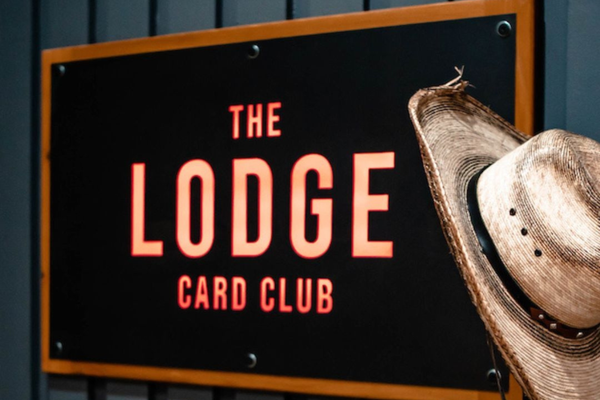
The ownership group—featuring Doug Polk, Andrew Neeme, Brad Owen, and others—has maintained that the club operated within legal boundaries. Polk initially characterized the investigation as a “witch hunt” and promised to make affected players whole. He’s since issued statements denying any knowledge of money laundering or other criminal activity on the premises.
But legal confidence doesn’t pay the bills for dealers, floor staff, kitchen workers, and security personnel who suddenly found themselves jobless. The closure eliminates Texas’s largest poker venue and casts serious doubt over the state’s poker club ecosystem, which has flourished under the private club exemption framework.
The Poker Strategy Breakdown
Let’s analyze this situation the way we’d break down a complex tournament spot—by examining the legal and business “ranges” in play.
Texas law creates a narrow corridor for legal poker through private club exemptions. The statute allows membership-based organizations to offer games that would otherwise be prohibited, provided they meet specific criteria. The key requirement? Genuine private access, not public entry dressed up with a membership card.
The search warrant details suggest prosecutors have documented instances where undercover investigators gained access without meaningful membership barriers. If true, this is the equivalent of showing up to a poker game and finding your opponent’s hole cards face-up. The entire strategic foundation collapses.
From a business model perspective, poker clubs face a fundamental tension. Profitability demands volume—more players, more rake, more revenue. But the private club exemption requires exclusivity and controlled access. It’s like trying to play both tight-aggressive and loose-passive simultaneously. The strategies contradict each other.
The Lodge appeared to thread this needle successfully for years, building a reputation that attracted recreational players and professionals alike. High-stakes streams, celebrity appearances, and tournament series created a Vegas-style atmosphere in the heart of Texas. But if prosecutors can demonstrate that public accessibility was the reality behind the private club facade, the entire structure was built on a losing foundation.
Consider the ICM implications here—not tournament Independent Chip Model, but the business equivalent. The ownership group invested heavily in property, equipment, branding, and operations. Those investments assumed continued legal operation under the private club framework. If that framework fails, the equity in those investments evaporates. It’s the business equivalent of bubbling a tournament after building a massive stack.
Reading The Field & Table Dynamics
The broader context reveals shifting table dynamics across the Texas poker landscape. For years, the state’s poker clubs operated in a gray area that everyone tacitly accepted. Players got their games, clubs generated revenue, and authorities looked the other way. That equilibrium has shattered.
The two-year undercover investigation signals a fundamental shift in enforcement priorities. This wasn’t a response to a single complaint or isolated incident. State agencies committed substantial resources to building a comprehensive case. That level of investment suggests a strategic decision to challenge the private club model itself, not just one operator’s implementation.
Other Texas poker rooms are undoubtedly watching closely, reassessing their own vulnerability. If The Lodge—with its high-profile ownership, professional operations, and legal resources—can be shut down indefinitely, what does that mean for smaller clubs with fewer resources? The risk-reward calculation for operating a poker club in Texas just got significantly worse.
For players, the dynamics have shifted dramatically. Texas once offered a thriving poker ecosystem with multiple rooms, regular tournaments, and cash games at all stakes. The Lodge’s closure removes the state’s flagship venue. If the investigation leads to criminal charges or civil penalties that stick, it could trigger a domino effect that shutters other clubs.
The employment angle adds another dimension. Hundreds of poker professionals—dealers, floor managers, tournament directors—suddenly face an uncertain future. Many had built careers around Texas’s poker club scene. Those jobs aren’t easily replaced, especially if the entire industry contracts. It’s a reminder that poker ecosystems depend on more than just players and owners.
How To Apply This To Your Game
While this situation involves business and legal strategy rather than poker tactics, the analytical framework applies directly to your decision-making at the tables.
First, understand the rules completely before you play. The Lodge’s predicament allegedly stems from operating outside the legal boundaries, whether intentionally or through misinterpretation. Similarly, you need to know tournament rules, house policies, and game-specific regulations. Assuming you understand the framework without verification can prove costly.
Second, recognize that sustainable strategies require solid foundations. A poker club built on legally questionable practices—if that’s indeed what happened—was always vulnerable to collapse. Your poker strategy needs similar structural integrity. Fancy plays and creative lines mean nothing if your fundamental approach is unsound.
Third, manage risk appropriately. The Lodge’s ownership apparently believed they could operate indefinitely under their business model. That confidence may have been misplaced. In poker, overconfidence in marginal situations leads to unnecessary risk exposure. Always question your assumptions, especially when the stakes are high.
Fourth, prepare for variance. The employees who lost their jobs likely didn’t anticipate sudden unemployment. Poker players face similar volatility. Bankroll management, career diversification, and contingency planning aren’t optional—they’re essential for long-term survival.
Finally, pay attention to regulatory and environmental changes. The Texas poker landscape shifted dramatically with this investigation. Similarly, poker games evolve, player pools change, and optimal strategies shift over time. Staying informed and adapting to new realities separates long-term winners from those who cling to outdated approaches.
Key Takeaways
- The Lodge Card Club terminated all employees after Texas prosecutors deemed its business model illegal, with no reopening timeline established
- A two-year undercover investigation allegedly documented public access that contradicts the private club exemption The Lodge relied upon for legal operation
- The closure eliminates Texas’s largest poker venue and threatens the broader poker club ecosystem that operates under similar legal frameworks
- Hundreds of poker industry professionals face unemployment, highlighting the employment vulnerability in gray-area gaming markets
- The ownership group maintains innocence but acknowledged that reopening during the investigation risks asset seizures and arrests
- The situation demonstrates how regulatory risk can instantly destroy business value and employment, regardless of operational success or market demand
Frequently Asked Questions
Why did The Lodge Card Club shut down?
The Texas Alcoholic Beverages Commission raided the property on March 10th as part of an investigation into alleged money laundering and illegal gambling. Prosecutors subsequently informed The Lodge’s attorneys that its business model doesn’t comply with Texas law, forcing an indefinite closure to avoid asset seizures and potential arrests.
Is poker illegal in Texas?
Texas law generally prohibits gambling, but includes an exception for private clubs that meet specific criteria. The Lodge operated under this exemption, but prosecutors apparently believe the club failed to maintain genuinely private access, which would make the games illegal under state law.
Will The Lodge Card Club reopen?
The timeline remains uncertain. Management announced the club will stay closed for the “foreseeable future” while the investigation continues. Reopening before the legal issues are resolved could trigger asset seizures and arrests, according to communications from the Williamson County District Attorney’s office.
What happens to players who had money at The Lodge?
Doug Polk pledged to make players whole, though specific details about the process haven’t been publicly disclosed. Players with funds on account should monitor official communications from The Lodge ownership group regarding reimbursement procedures.
Could other Texas poker clubs face similar raids?
The two-year investigation into The Lodge suggests Texas authorities are scrutinizing the private club model more broadly. Other poker rooms operating under similar frameworks may face increased regulatory risk, particularly if they can’t demonstrate genuinely private access and membership controls.
Final Thoughts
The Lodge Card Club’s collapse serves as a stark reminder that poker ecosystems exist within legal and regulatory frameworks that can shift without warning. What appeared to be a thriving, sustainable business model unraveled in a matter of weeks, leaving hundreds unemployed and casting doubt over an entire state’s poker industry.
For poker professionals and enthusiasts, the situation underscores the importance of understanding the legal environment where you play. Gray areas offer opportunity but carry inherent risk. The same analytical skills you apply at the tables—assessing risk, evaluating evidence, planning for multiple scenarios—apply equally to the business and legal context surrounding the game.
The coming months will reveal whether The Lodge’s closure represents an isolated enforcement action or the beginning of a broader crackdown on Texas poker clubs. Either way, the poker landscape in America’s second-largest state has fundamentally changed. Players, employees, and operators must adapt to a new reality where regulatory risk looms larger than ever before.
Ready to Sharpen Your Poker Game?
Master your poker game with expert hand analysis