Lexy Gavin-Mather’s Strategic Approach to WSOPE Prague
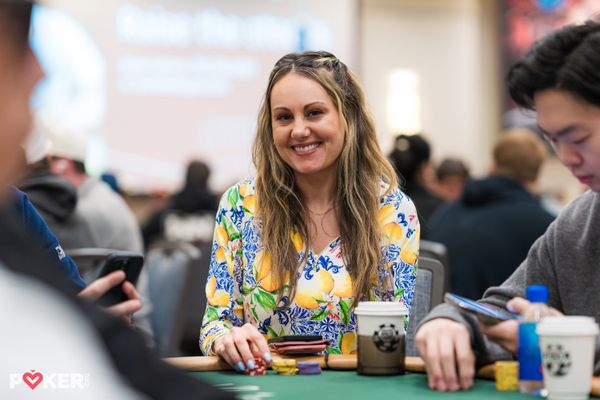
Poker vlogger and pro Lexy Gavin-Mather is heading to WSOP Europe in Prague with a dual mission: create compelling content while competing against some of the toughest players in the international circuit. Fresh off her career-best score at WSOP Paradise, she’s armed with specific strategies to combat the aggressive European playing style that awaits.
What Happened
The WSOP has assembled an impressive roster of poker vloggers for their Prague series, and Gavin-Mather stands out as one of the few who genuinely balances content creation with serious competitive ambitions. Unlike many who focus purely on entertainment or pure profit, she’s navigating both worlds simultaneously.
After securing her largest tournament cash at the WSOP Paradise Super Main Event in December—a six-figure score that represented a significant career milestone—Gavin-Mather accepted the WSOP’s invitation to join their vlogger program for the European stop. The program provides creators with opportunities to attend international events they might otherwise skip, while giving the WSOP authentic content from respected voices in the poker community.
The Prague series represents more than just another vlogging opportunity for Gavin-Mather. She’s targeting both the Main Event and the Ladies Championship, with the latter featuring a particularly strong field. Poker legend Annette Obrestad, who won the inaugural WSOPE Main Event in 2007 at just 18 years old, has confirmed her attendance and plans to compete in the Ladies event as well.
Gavin-Mather’s four-year commitment to daily vlogging at the WSOP summer series finally paid dividends when the organization noticed her consistent content and invited her into their official program. It’s a testament to persistence in the content creation space, where building relationships with major brands requires sustained effort rather than viral moments.
The Poker Strategy Breakdown
Gavin-Mather’s approach to international competition reveals sophisticated strategic thinking that goes beyond standard ABC poker. Her experience playing in Cyprus at the Super Circuit Main Event—where she cashed—gave her valuable exposure to the European playing style that differs markedly from the Vegas grind.
European players, according to Gavin-Mather’s assessment, tend to demonstrate stronger fundamental understanding combined with heightened aggression. This creates a dangerous combination: they’re not just aggressive maniacs who can be trapped easily, but rather players who understand when and why to apply pressure. The fundamentally sound aggression means they’re selecting spots based on game theory and situational awareness rather than simply firing chips recklessly.
Her counter-strategy involves a multi-layered approach that begins with perception management. Before making any tactical adjustments, she evaluates whether opponents recognize her from her vlog content. This awareness shapes her entire strategic framework for each table session.
Against opponents familiar with her content, Gavin-Mather plans to deviate from her documented tendencies. If players have studied her vlogs, they’ve gained insight into her default lines, hand selection, and decision-making processes. This requires her to balance her range differently, potentially showing up with unexpected holdings in spots where her vlog history suggests a narrower range.
For opponents who don’t recognize her, the calculation shifts entirely. She anticipates potential gender-based assumptions about her playing style—specifically that some players might attempt to bully her with excessive aggression. Her counter-punch involves meeting aggression with aggression, incorporating more bluffs into her arsenal, and refusing to be pushed around.
This strategic flexibility demonstrates advanced poker thinking. Rather than adhering to a rigid game plan, she’s building a decision tree that branches based on opponent perception and adjusting her frequencies accordingly. It’s exploitative poker at its finest, identifying the specific ways opponents might try to exploit her and pre-emptively adjusting to exploit their exploitation attempts.
Reading The Field & Table Dynamics
The Ladies Championship in Prague presents unique field dynamics compared to the massive WSOP Las Vegas Ladies event. While the Vegas version attracts enormous fields with a wide skill distribution—from complete beginners to seasoned pros—the Prague iteration will feature a more concentrated field of experienced female players.
Gavin-Mather correctly identifies this as a “tough cookies” situation. Smaller international fields self-select for more serious players willing to travel internationally for competition. The recreational players who might drive to Vegas for a weekend won’t necessarily book international flights and hotels for a Prague poker trip. This creates a tougher average opponent and requires adjustments to opening ranges, continuation betting frequencies, and bluffing strategies.
The presence of Annette Obrestad adds another layer to field considerations. Obrestad represents poker royalty—a player who won the WSOPE Main Event before she could legally play in most casinos. Her reputation for solid, composed play precedes her, and Gavin-Mather’s respect for her game is evident. When facing established professionals with documented track records, the information game becomes crucial.
Table dynamics in these international events also shift based on stack sizes and tournament structure. European events sometimes feature different blind structures than American tournaments, affecting optimal strategies for various stack depths. Players need to recalibrate their push-fold ranges, their three-betting frequencies, and their willingness to get involved in marginal spots.
Gavin-Mather’s awareness of perception management becomes even more critical in smaller fields where players are more likely to have history with each other. Information flows more freely in tight-knit poker communities, and a player’s reputation can precede them. Managing that reputation while still playing optimally requires constant recalibration.
How To Apply This To Your Game
The most immediately applicable lesson from Gavin-Mather’s approach involves perception awareness. Before sitting down at any table—whether in a casino or online—consider what information your opponents might have about you. Have you played with them before? Do you have a table image from previous hands? Are you wearing sponsorship gear that signals your experience level?
Once you’ve assessed what opponents know or assume about you, build counter-strategies. If you’ve been playing tight for an hour, your bluffs carry more weight. If you’ve been caught bluffing recently, your value bets get paid more often. This dynamic adjustment based on perceived image is fundamental to exploitative poker.
When facing aggressive opponents, resist the temptation to simply tighten up and wait for premium hands. Gavin-Mather’s plan to combat aggression with aggression reflects sound strategic thinking. Aggressive players profit from fold equity—when you stop giving them folds, their strategy becomes less profitable. Consider three-betting more frequently, floating continuation bets with the intention of taking the pot away on later streets, and generally refusing to be a passive calling station.
For players competing in unfamiliar environments—whether that’s a new card room, a different country, or simply a tournament format you haven’t played before—study the tendencies of that player pool. Regional differences in playing styles are real. European players do tend toward more aggressive, fundamentally sound play. Asian poker markets have their own characteristics. Even different American regions show distinct tendencies.
Finally, if you’re creating poker content of any kind, recognize that you’re providing opponents with information. This isn’t necessarily a reason to stop creating content, but it does require strategic adjustments. Consider occasionally showing hands that deviate from your standard strategy to create uncertainty. Don’t always break down your exact thought process if it reveals exploitable patterns.
Key Takeaways
- European players typically demonstrate fundamentally sound play combined with aggressive strategies, requiring specific counter-adjustments rather than standard ABC poker
- Perception management is crucial—understanding what opponents know about your game allows you to exploit their exploitation attempts
- Smaller international tournament fields tend to have tougher average opponents than massive domestic events, requiring tighter ranges and more selective aggression
- Combat aggression with aggression rather than passive play—aggressive opponents profit from fold equity, so reducing your folding frequency damages their strategy
- Content creators must balance transparency with strategic opacity, occasionally deviating from documented tendencies to maintain unpredictability
- Consistent effort in building relationships with poker brands can create opportunities that viral moments cannot—Gavin-Mather’s four years of daily vlogging earned her WSOP partnership
Frequently Asked Questions
How should you adjust your strategy when playing against aggressive European players?
Meet aggression with aggression rather than tightening up. Aggressive players profit from fold equity, so incorporate more three-bets, float more continuation bets with plans to take pots away on later streets, and increase your bluffing frequency in position. The key is removing their fold equity while maintaining balance so they can’t simply adjust by value-betting heavier.
Does creating poker content hurt your edge at the tables?
It can provide opponents with information about your tendencies, but the impact is manageable with proper adjustments. Occasionally deviate from your documented strategies, don’t always reveal your complete thought process, and be aware of which opponents might have studied your content. The benefits of content creation—sponsorships, networking, additional income streams—often outweigh the strategic cost if you adjust properly.
How do international poker fields differ from domestic tournaments?
International events typically feature tougher average opponents because they self-select for serious players willing to travel. The recreational player pool is smaller since casual players are less likely to book international trips for poker. This requires tighter opening ranges, more careful bluff selection, and greater awareness of opponent skill levels. Regional playing styles also differ, with European players generally showing more aggression and stronger fundamentals than typical American recreational players.
Final Thoughts
Lexy Gavin-Mather’s preparation for WSOP Europe demonstrates the sophisticated thinking required to succeed in modern tournament poker. Her approach goes beyond memorizing charts or following rigid strategies—she’s building a flexible framework that adjusts based on opponent perception, regional playing styles, and field dynamics. This adaptive thinking separates winning players from those who struggle when their standard game plan doesn’t work.
The intersection of content creation and competitive poker presents unique challenges that will only become more common as poker media continues evolving. Players who can navigate both worlds—creating engaging content while maintaining competitive edges—will find opportunities that pure players or pure entertainers cannot access. Gavin-Mather’s four-year investment in daily WSOP vlogging, which finally resulted in an official partnership, illustrates the long-term relationship-building required in this space.
Whether you’re planning your own international poker trip or simply looking to improve your local game, the strategic principles remain constant: understand what opponents know about you, adjust your strategy to exploit their likely adjustments, and maintain the flexibility to change gears when the situation demands it. Prague will test Gavin-Mather’s ability to execute these principles against world-class competition, and her results will provide valuable data points for anyone serious about tournament poker success.
Ready to Sharpen Your Poker Game?
Master your poker game with expert hand analysis