The Silent Nit: Why Disengaged Players Are Dangerous
The most dangerous opponent at your poker table isn’t always the aggressive young gun or the seasoned pro. Sometimes it’s the seemingly disinterested player who barely looks up from their phone, book, or newspaper—until they suddenly wake up with a monster. Understanding how to identify and exploit these players can dramatically increase your win rate in live cash games.
What Happened
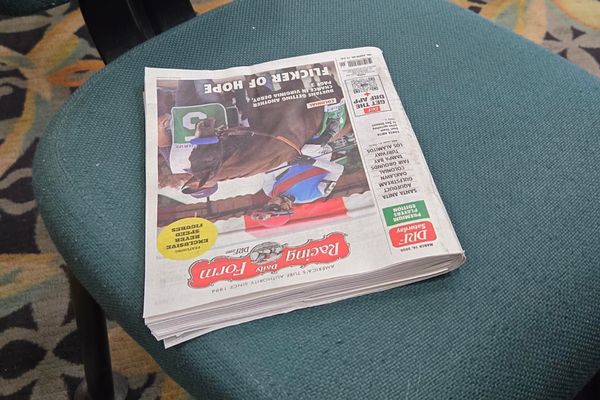
Picture this scene from a recent $2/3 no-limit hold’em cash game: An elderly gentleman sits in the #3 seat, deeply absorbed in what he’s reading. For hours, he’s been the definition of a passive recreational player, limping into pots with minimum bets when his reading material allows, then quickly folding to any aggression before returning to his primary interest.
This player type is instantly recognizable in any card room. They’re not really there for poker—the game is secondary entertainment while they wait for something else, whether that’s a sports bet, a restaurant reservation, or in this case, handicapping horse races. They play maybe one hand per orbit, always for the minimum, and seem annoyed when the action reaches them.
Then the dynamic shifted completely. Over a $6 straddle, this previously passive player open-raised to $20. An inattentive opponent in the #5 seat called without fully processing the situation. The flop came J-T-8, and suddenly our distracted friend shoved his remaining $70 into the pot. The #5 seat called, and when the board ran out, pocket kings took down the pot.
As he stacked his chips, the winner muttered a question that perfectly encapsulated the situation: “What’d you think I had?” It was a rhetorical question, but one that revealed everything about how these players operate and why they’re more dangerous than they appear.
The Poker Strategy Breakdown
This hand illustrates a critical concept that many players overlook: range polarization through behavioral tells. When an extremely passive, disengaged player suddenly shows aggression, their range becomes incredibly narrow and strong. This isn’t a sophisticated strategy on their part—it’s simply how recreational players naturally operate.
Let’s break down the strategic elements at play. First, consider the preflop action. An open-raise to $20 over a $6 straddle represents more than 3x the straddle amount in a game where most raises would be to $15-18. This sizing alone should trigger alarm bells. When combined with the player’s previously demonstrated passive tendencies, this raise screams premium holdings—likely QQ+, AK at the absolute bottom of the range.
The #5 seat’s call represents a fundamental error in hand reading. By failing to adjust their calling range based on opponent tendencies, they essentially played against a generic opponent profile rather than the specific player in front of them. Against a typical $2/3 regular, calling with a hand like suited connectors or medium pocket pairs might be profitable. Against this specific opponent’s narrow range, it’s lighting money on fire.
Post-flop, the J-T-8 board creates interesting texture. It’s coordinated enough that many hands connect with it, but when our passive hero shoves for $70 into what’s roughly a $50 pot, he’s representing an overpair or better. Given his preflop range, pocket kings through aces makes perfect sense. Queens would be more cautious on this board, and AK would likely check-call rather than lead-shove.
The #5 seat’s quick call suggests they connected with the board—probably two pair, a straight, or a set. But they failed to recognize that even their strong holdings are often behind or flipping against this opponent’s ultra-narrow range. This is where understanding opponent tendencies becomes more valuable than memorizing GTO charts.
Reading The Field & Table Dynamics
Live poker success depends heavily on your ability to categorize opponents and adjust your strategy accordingly. The distracted, disengaged player represents a specific archetype that appears in virtually every low-stakes cash game. Recognizing them early and adapting your approach can mean the difference between a winning and losing session.
These players exhibit consistent behavioral patterns. They’re physically present but mentally elsewhere. They fold most hands without consideration. When they do play, they take the path of least resistance—limping or min-raising rather than making standard-sized bets. They rarely bluff because bluffing requires engagement and planning. Their value betting is straightforward and unbalanced.
The table dynamics shift dramatically when such a player enters a pot. Observant players should tighten their ranges significantly against them. The mistake the #5 seat made wasn’t calling preflop in a vacuum—it was calling without adjusting for this specific opponent. Against an active, aggressive player, calling with suited connectors or medium pairs makes sense. Against someone who’s played three hands in two hours, it’s a disaster.
There’s also a meta-game consideration. When passive players suddenly show life, other observant opponents take notice. This creates a ripple effect at the table. If you’re paying attention, you can exploit not just the passive player but also others who fail to adjust. You can fold hands that would normally be profitable calls, saving money while others donate chips.
The mumbled comment—”What’d you think I had?”—reveals another layer. This player knows exactly what he’s doing. He’s not a fish who stumbled into a winning strategy. He’s a nit who plays premium hands only and is genuinely confused when opponents don’t give him credit. This self-awareness makes him even more exploitable because his strategy never varies.
How To Apply This To Your Game
The first actionable lesson is simple: pay attention to everyone at your table, even players who seem uninterested in the game. Create mental profiles within the first orbit or two. Note who’s on their phone, who’s reading, who’s watching sports on the TV, and who’s fully engaged. These observations pay dividends later when these players suddenly enter pots.
Develop a classification system for passive players. Not all disengaged opponents are created equal. Some are truly terrible players who will call down with any piece of the board. Others are nits who only play premium holdings. The key differentiator is what happens when they face aggression. True calling stations continue regardless. Nits fold everything but the nuts.
Adjust your opening ranges based on who’s left to act. If you know the distracted player in late position only plays premium hands, you can open wider from middle position because their three-bet range is so narrow. When they do three-bet, you can fold hands like AQ or JJ that would normally be calls or four-bets against balanced opponents.
Create a mental alarm system for behavioral changes. When the player who’s been folding for two hours suddenly raises, treat it like a fire alarm. Your default response should be to fold unless you have a premium hand yourself. Don’t try to outplay them post-flop. Don’t assume they’re making a move. Take their aggression at face value.
Use these players as information sources. When a nit enters a pot and another player calls or raises, you learn something about that second player too. Are they also strong, or are they making the same mistake as the #5 seat? This information helps you build more complete profiles of everyone at the table.
Consider your own table image. If you’ve been playing tight and suddenly show aggression, are you getting the same respect our horse-racing friend received? If not, why not? Perhaps you’re too engaged, too chatty, or you’ve shown down too many marginal hands. Sometimes adopting elements of the disengaged player’s style—being quieter, playing tighter, betting straightforwardly—can make your strong hands more profitable.
Key Takeaways
- Behavioral changes signal range changes: When passive, disengaged players suddenly show aggression, their range is extremely narrow and strong—adjust accordingly by folding all but premium holdings.
- Player profiling beats GTO in live games: Understanding specific opponent tendencies is more valuable than memorizing solver outputs, especially at low stakes where players deviate significantly from balanced strategies.
- Pay attention to everyone: Even players who seem uninterested in poker provide valuable information through their rare actions—don’t tune them out just because they’re not playing many hands.
- Exploit the exploiters: When you correctly fold to a nit’s aggression and others don’t, you gain an edge not just against the nit but also against players who fail to adjust their ranges.
- Bet sizing tells a story: Unusual bet sizing from passive players (like raising 3x+ over a straddle) indicates exceptional hand strength—these aren’t sophisticated plays but transparent value bets.
- Table image matters: Consider whether your own image allows you to get paid on strong hands—sometimes playing tighter and more straightforwardly increases your win rate against observant opponents.
Frequently Asked Questions
How do I know if a passive player is a nit or a calling station?
The key differentiator is how they respond to aggression. Nits fold to pressure unless they have premium holdings, while calling stations continue with any piece of the board. Observe what happens when they face raises post-flop. Nits disappear; calling stations stick around. Also note their showdown hands—nits show premiums, calling stations show weak pairs and draws.
Should I ever bluff against extremely tight, passive players?
Generally no, especially in low-stakes games. These players fold so many hands preflop that you don’t need to bluff them—they’re already folding 85-90% of the time. When they do play, they typically have hands strong enough to call down. Your profit comes from avoiding them when they show strength, not from trying to push them off hands. Save your bluffs for more observant, thinking opponents.
What if I have a premium hand when a nit shows aggression?
This is one of the few scenarios where you should play back at them. With hands like AA, KK, or AK, you can three-bet preflop or raise their flop bets. However, be prepared to fold if they four-bet or re-raise, as their range in those situations is often just AA-KK. Post-flop, play straightforwardly for value—these players will pay off your strong hands because they assume you’re making the same mistake they see others make.
Final Thoughts
The disengaged player reading their newspaper, checking their phone, or studying racing forms represents one of poker’s most instructive archetypes. They teach us that poker isn’t just about the cards—it’s about understanding human behavior and adjusting our strategy to exploit specific opponent tendencies. The player who seems barely interested in the game can actually be one of your most profitable opponents if you recognize their patterns and avoid their traps.
The beauty of live low-stakes poker is that these players are everywhere. Every card room has multiple tables filled with recreational players who view poker as a side activity rather than their primary focus. By developing strong observational skills and maintaining detailed mental profiles, you can consistently identify these opponents and adjust your strategy to maximize profit. The key is patience—waiting for them to reveal their patterns, then exploiting those patterns ruthlessly while avoiding the obvious traps they set with their rare strong hands.
Remember that poker is a game of incomplete information, but live tells and behavioral patterns provide additional data points that online players never access. Use every piece of information available, from bet sizing to body language to engagement level. The player who barely looks up from their racing form is telling you everything you need to know—you just have to listen.
Ready to Sharpen Your Poker Game?
Master your poker game with expert hand analysis