

Elite Poker Prep: Thomas Boivin’s Year-Round WSOP Strategy
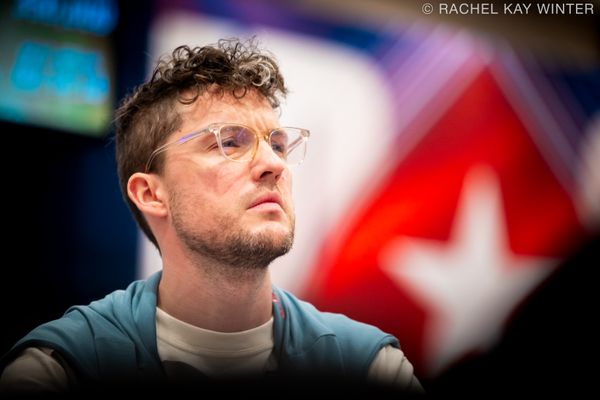
High-stakes crusher Thomas Boivin doesn’t believe in cramming for the World Series of Poker. The French tournament pro treats WSOP preparation as a 365-day commitment involving expert coaches, intense physical training, and relentless self-optimization. His approach reveals how the modern poker elite are treating tournament performance like professional athletics.
What Happened
Thomas Boivin, fresh off a massive $2.29 million score for fifth place at the 2025 WSOP Paradise $250K event, recently opened up about his unconventional preparation methods ahead of the 2026 World Series of Poker. Rather than treating the summer poker festival as an isolated event, Boivin maintains year-round discipline across nutrition, fitness, sleep optimization, and mental performance.
The French pro has assembled a team of specialized coaches to maximize different areas of his performance, from cognitive function to relationship management. His physical regimen includes weightlifting, rock climbing, cold plunges, sauna sessions, and flotation tank recovery. Boivin recently joined Octopi Poker as a high-performance coach, working alongside legends like Stephen Chidwick and founder Victoria Livschitz.
His philosophy centers on a simple but powerful motivation: “I want to feel alive.” This drive led him to start playing Triton events two years ago, seeking the ultimate challenge against the world’s best players and high-performing entrepreneurs who approach poker at the highest levels.
The Poker Strategy Breakdown
Boivin’s approach represents a fundamental shift in how elite tournament professionals think about edge creation. While most players focus exclusively on technical poker study—solvers, range construction, and exploitative adjustments—Boivin recognizes that optimal decision-making requires optimal brain function. You can memorize every GTO chart in existence, but if you’re mentally foggy on Day 3 of a major tournament, that knowledge becomes worthless.
The concept of “controllables” is central to his methodology. In poker, you cannot control card distribution, opponent behavior, or tournament structures. You can control your physical state, mental clarity, emotional regulation, and preparation quality. By hiring experts in specific domains—whether that’s a nutrition specialist, cognitive performance coach, or business strategist—Boivin systematically eliminates variables that might compromise his A-game.
This mirrors what we’ve seen in other competitive domains. Professional chess players now employ sports psychologists and physical trainers. Esports athletes follow strict sleep schedules and dietary protocols. The poker world is catching up to what elite performers in other fields discovered decades ago: your brain is a physical organ, and its performance depends heavily on the body housing it.
Consider the practical implications during a deep WSOP Main Event run. Day 7 might require 12-14 hours of intense focus with millions of dollars on the line. The player who maintained cardiovascular fitness, practiced stress management, and optimized recovery will have a tangible edge over equally skilled opponents who neglected these factors. When everyone at the final table knows advanced poker theory, the differentiator becomes who can execute that knowledge under extreme physical and mental duress.
Boivin’s investment in expert coaching also addresses a common trap among successful players: the belief that past success validates current methods. Many pros plateau because they stop seeking outside perspectives. By remaining “humble enough to know I don’t know everything,” as Boivin puts it, he maintains a growth trajectory that compounds over time. Each coach provides specialized knowledge that would take years to develop independently.
Reading The Field & Table Dynamics
Boivin’s decision to focus on Triton events reveals sophisticated field selection strategy. These high-roller tournaments attract a unique player pool: ultra-wealthy recreational players mixed with the absolute best professionals in the world. The dynamics differ dramatically from typical tournament structures.
In standard WSOP events, you’re navigating a pyramid of skill levels. Early stages involve exploiting fundamental mistakes from weaker players. Middle stages require adjusting to competent regulars. Late stages demand high-level theoretical understanding and ICM precision. Triton events compress this timeline—you’re playing against world-class competition from the opening hand.
This environment demands peak performance immediately. There’s no coasting through early levels against tourists. Every decision carries significant EV implications against opponents who rarely make egregious errors. For someone motivated by feeling “alive” and “challenged,” this represents the purest test of skill.
The social dynamics matter too. Boivin explicitly mentions wanting to “connect with people with whom I resonate”—high-performing players and entrepreneurs operating at elite levels. Poker isn’t purely a financial pursuit for him; it’s a vehicle for meaningful competition and relationship-building with exceptional individuals. This psychological component shouldn’t be underestimated. When you’re genuinely energized by your competition and environment, you naturally perform better.
His preparation strategy also accounts for the marathon nature of WSOP summer. With 100 bracelet events spanning multiple months, maintaining consistent performance requires treating it like a season rather than a single tournament. Athletes don’t peak for every game—they manage energy and recovery to perform well across an entire season. Boivin’s year-round conditioning and recovery protocols (sauna, cold plunge, flotation tanks) enable this sustained high performance.
How To Apply This To Your Game
You don’t need a team of expert coaches or access to Triton events to benefit from Boivin’s approach. The underlying principles scale to any level of poker ambition.
Start with the fundamentals: sleep, nutrition, and movement. If you’re playing a weekend tournament series, prioritize getting 7-9 hours of quality sleep rather than staying up late in cash games. Eat real food—protein, vegetables, healthy fats—instead of surviving on energy drinks and poker room snacks. Take walking breaks between sessions. These aren’t minor optimizations; they’re foundational to cognitive performance.
Implement a pre-session routine. Professional athletes don’t show up and immediately perform; they warm up physically and mentally. Before your next tournament, spend 15 minutes reviewing key concepts, doing light stretching, or practicing breathing exercises. This signals to your brain that it’s time to focus and primes you for optimal decision-making.
Identify your weakest link and invest in improvement. Maybe you tilt easily—consider working with a mental game coach or reading performance psychology books. Maybe your red-line is atrocious—hire a poker coach for a few sessions focused specifically on aggression. Boivin’s insight about hiring experts applies at every level: someone with specialized knowledge can accelerate your progress dramatically compared to struggling alone.
Build recovery into your poker schedule. If you’re grinding a multi-day tournament, what’s your plan for recovery between days? A hot bath, light yoga, or even a 20-minute nap can significantly impact your Day 2 performance. Many players treat poker sessions as isolated events without considering the cumulative fatigue across a series.
Finally, clarify your “why.” Boivin discovered he plays poker to feel alive, challenged, and connected. Understanding your core motivation helps with decision-making about which games to play, how much volume to pursue, and when to take breaks. If you’re playing primarily for income, that suggests different game selection than if you’re playing for competition and challenge. Alignment between your goals and actions reduces internal conflict and improves performance.
Key Takeaways
- Elite WSOP preparation is a year-round commitment, not a last-minute cramming session before summer
- Physical conditioning directly impacts poker performance through improved stamina, mental clarity, and stress management
- Hiring specialized coaches and experts accelerates improvement by leveraging knowledge you couldn’t develop alone
- Recovery protocols (sauna, cold exposure, flotation tanks) are essential for sustained high performance across long tournament series
- Understanding your core motivation for playing poker helps with game selection and maintaining long-term engagement
- Field selection matters—playing in environments that energize and challenge you leads to better performance than purely chasing soft games
Frequently Asked Questions
How much does physical fitness actually matter for poker performance?
Physical fitness significantly impacts poker performance through multiple mechanisms. Cardiovascular health improves oxygen delivery to the brain, enhancing cognitive function during long sessions. Strength training releases neurochemicals that improve mood and focus. Regular exercise improves sleep quality, which is crucial for memory consolidation and emotional regulation. Studies show that even moderate physical activity improves decision-making under pressure—exactly what poker demands. While you don’t need to be an elite athlete, maintaining basic fitness provides a measurable edge over equally skilled opponents who neglect their physical health.
Is hiring poker coaches worth it for recreational players?
Coaching can be extremely valuable for recreational players, but the key is finding the right match for your skill level and goals. A single session with a competent coach can identify leaks that would take months to discover independently. For recreational players, group coaching or training sites often provide better value than expensive one-on-one sessions with high-stakes pros. The important principle from Boivin’s approach is recognizing that expert guidance accelerates improvement. Even investing in quality training content or a few coaching sessions per year can dramatically improve your results compared to studying alone without direction.
What are the most important controllable factors in tournament poker?
The most impactful controllable factors are sleep quality, emotional regulation, game selection, and focused study. Sleep affects every cognitive function required for poker—attention, memory, decision-making, and emotional control. Emotional regulation determines whether you can maintain your A-game after bad beats or during high-pressure situations. Game selection—choosing tournaments that match your skill level and bankroll—dramatically impacts your ROI. Finally, deliberate study between sessions (not just playing volume) is what separates improving players from stagnant ones. These factors compound over time, creating massive differences in long-term results between players with similar technical knowledge.
Final Thoughts
Thomas Boivin’s approach to WSOP preparation reveals an uncomfortable truth for many poker players: technical poker knowledge is becoming table stakes at the highest levels. When everyone has access to solvers and training content, the differentiator shifts to who can consistently execute that knowledge under pressure. That requires treating poker performance as a holistic challenge involving physical health, mental conditioning, emotional management, and strategic recovery.
The most actionable insight from Boivin’s methodology is the focus on controllables. You cannot control variance, opponent skill, or card distribution. You can control your preparation quality, physical state, and mental approach. By systematically optimizing these factors—whether through expert coaching, fitness routines, or recovery protocols—you create edges that compound across thousands of tournament hours.
This doesn’t mean abandoning poker study for the gym. It means recognizing that your brain’s hardware matters as much as the software you’re running on it. A well-rested, physically fit player executing B+ strategy will often outperform an exhausted player trying to implement A+ strategy. As the poker ecosystem becomes increasingly competitive, these marginal gains in performance separate the consistent winners from the perpetual break-even grinders.
Ready to Sharpen Your Poker Game?
Master your poker game with expert hand analysis
