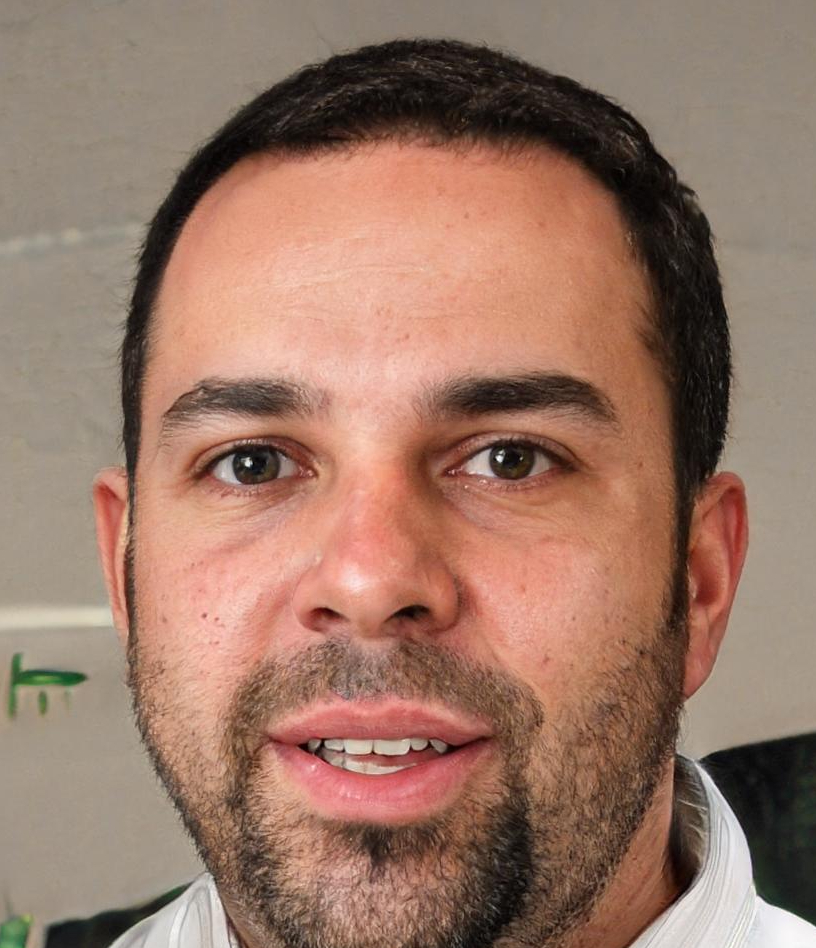
Rampage Yau Dominates Triton $200K: Strategic Lessons
Content creator Ethan ‘Rampage’ Yau has seized control of the Triton Poker Super High Roller Series $200K Invitational in Montenegro, bagging the chip lead with a commanding 1.244 million stack as Day 1 concluded. From a starting field of 130 entries, just 85 players remain in contention for what could become a record-breaking prize pool—and the majority of top stacks belong to invited amateurs, not seasoned professionals.
What Happened
The opening day of Triton’s prestigious $200K Invitational delivered high-stakes drama as the field whittled down from 130 total entries (96 unique players plus 34 re-entries) to 85 survivors. ClubWPT Gold Ambassador Ethan ‘Rampage’ Yau emerged as the dominant force, accumulating 207 big blinds to lead all remaining competitors into Day 2.
Only one other player managed to cross the million-chip threshold: Yong Wai Kin, who bagged 1.099 million (183 BBs). The composition of the top ten reveals a fascinating dynamic—invitees control seven of the ten largest stacks, while professionals Igor Yaroshevskyy (979K), Elias Talvitie (855K), and Benjamin Heath (797K) represent the skilled contingent in the upper echelon.
Re-entry remains available until cards fly on Day 2, meaning the prize pool could swell beyond its current eight-figure mark and potentially establish a new Triton Invitational benchmark. With an average stack sitting at 76 big blinds across the remaining field, players will enjoy substantial room for maneuvering as they navigate toward the final table.

The session’s most memorable moment arrived during Level 1 when Dusk Till Dawn owner Rob Yong found himself in a classic setup against Anatoly Zlotnikov. Yong’s pocket kings ran headlong into Zlotnikov’s pocket aces—a nightmare scenario that typically ends one way. But the poker gods had different plans. The flop delivered a king, giving Yong top set and transforming his 18% underdog into an overwhelming favorite. When the turn and river bricked out, Zlotnikov watched helplessly as a pot approaching 300 big blinds migrated across the table. That two-outer propelled Yong to sixth place on the leaderboard with 952,000 chips.
The Poker Strategy Breakdown
The Yong-Zlotnikov confrontation exemplifies why deep-stacked tournament poker demands different thinking than standard play. In Level 1 of a super high roller event, both players possessed starting stacks that allowed for sophisticated post-flop maneuvering. Yet when pocket aces meet pocket kings preflop, strategic complexity evaporates—the money goes in, and variance takes over.
What’s instructive here isn’t the cooler itself, but rather how such early volatility shapes subsequent table dynamics. Zlotnikov, after losing that massive pot, faced a critical decision point: rebuy immediately, wait to assess his remaining stack’s viability, or preserve the bullet for later. These super high roller fields feature extended late registration precisely because organizers understand that elite players need flexibility to manage their tournament entries strategically.
For Yong, the chip accumulation created immediate leverage. With nearly 300 big blinds following that hand, he could apply maximum pressure on opponents, particularly those hovering around starting stack or below. Deep stacks enable a wider range of speculative plays—suited connectors, small pairs, and marginal suited aces all increase in value when implied odds skyrocket.
Rampage Yau’s ascent to the chip lead likely involved a different path than hitting a miracle two-outer. As a content creator who’s proven his tournament chops, Yau brings a modern, aggressive approach honed through extensive online play and study. His 207 big blind stack heading into Day 2 provides multiple strategic advantages: he can three-bet light to accumulate blinds and antes, he can call raises with speculative hands that play well in position, and he can apply ICM pressure once the money bubble approaches.
The presence of so many invitees among the chip leaders raises intriguing questions about tournament dynamics. Triton’s invitational format deliberately mixes wealthy amateurs with world-class professionals, creating a unique ecosystem. While professionals theoretically hold massive skill edges, amateurs often play more unpredictably, making hand reading more challenging. Additionally, many invitees possess genuine poker talent—they’re not simply wealthy fish, but accomplished players who may lack the professionals’ volume and experience but compensate with intelligence and study.
Reading The Field & Table Dynamics
Day 2 will present fascinating strategic considerations as 85 players battle toward the money. With re-entry closing at the start of play, risk tolerance will shift dramatically. Players who’ve fired multiple bullets may tighten up to preserve their investment, while single-entry players might adopt a more aggressive stance, knowing they can’t reload.
The chip distribution matters enormously for tournament strategy. Rampage Yau and Yong Wai Kin, as the only players above one million, can dictate action at their respective tables. Medium stacks (50-100 BBs) will need to identify spots to accumulate without risking tournament life unnecessarily. Short stacks must balance survival with the imperative to chip up before blinds erode their equity.
ICM considerations won’t dominate until the money bubble approaches, but savvy players are already thinking ahead. In a $200K buy-in event, pay jumps become substantial as the field narrows. The difference between min-cashing and making the final table could represent millions of dollars. This creates interesting dynamics where chip leaders can leverage their stacks to pressure medium stacks who are thinking about pay jumps.
Table draw becomes crucial in these scenarios. Landing at a table with multiple big stacks severely limits your options, while drawing a table of similar-sized stacks allows for more creative play. Tournament directors typically balance tables by chip count, but variance means some tables will play significantly tighter or looser than others.
The professional-versus-invitee dynamic adds another layer. Professionals like Yaroshevskyy, Talvitie, and Heath understand that their edges compound over time. They’ll seek spots to grind chips through superior post-flop play rather than relying on preflop confrontations. Invitees, conversely, may prefer clearer decision points—big pairs, big draws, and situations where hand strength is more transparent.
How To Apply This To Your Game
While most players won’t face $200K buy-ins, the strategic principles from this Triton event apply across stakes. Here’s how to incorporate these lessons into your tournament approach:
Respect stack depth: When you’re deep-stacked early in tournaments, resist the urge to play fit-or-fold poker. Implied odds increase dramatically with 100+ big blind stacks, making speculative hands like suited connectors and small pairs significantly more profitable. Conversely, hands like AJ offsuit or KQ offsuit that play well at medium depth become trickier deep-stacked, as you’ll face difficult decisions on ace-high or king-high boards.
Adjust to opponent types: The Triton field mixes professionals with wealthy amateurs, similar to how your local tournament might blend regulars with recreational players. Against unknowns, default to fundamental poker—value bet your strong hands, don’t overbluff, and gather information before making hero calls. Against regulars, you can employ more advanced tactics like range balancing and multi-street bluffs.
Manage your bullets: In re-entry tournaments, decide your bullet strategy before cards fly. Will you fire once and preserve bankroll? Will you commit to two bullets maximum? Having a plan prevents emotional decisions after bad beats. Rob Yong’s fortunate double-up saved him a re-entry, but players must prepare mentally for when variance doesn’t break their way.
Leverage chip leads: When you accumulate a big stack, use it. Don’t become passive and watch blinds erode your advantage. Attack medium stacks who are playing for pay jumps, three-bet light against tight players, and force opponents into difficult decisions. Your chips are weapons—deploy them strategically.
Study ICM: Understanding Independent Chip Model calculations transforms your tournament game. Even basic ICM awareness—knowing when to tighten up near bubbles, recognizing that chip leader doesn’t equal tournament equity leader—provides edges that compound throughout events. Free ICM calculators exist online; spend time running scenarios from your recent tournaments.
Key Takeaways
- Ethan ‘Rampage’ Yau leads 85 remaining players with 1.244 million chips (207 BBs) in the Triton $200K Invitational, with re-entry available until Day 2 begins
- Invitees dominate the chip counts, holding seven of the top ten stacks, demonstrating that amateur players can compete effectively in mixed-field super high rollers
- Rob Yong’s pocket kings cracked Anatoly Zlotnikov’s pocket aces in a massive early pot, illustrating how variance shapes tournament trajectories even in the first level
- Deep stacks (average 76 BBs remaining) enable sophisticated post-flop play and increase the value of speculative hands with strong implied odds
- Day 2 dynamics will shift dramatically once re-entry closes, as players can no longer reload and must balance aggression with survival
- Strategic edges compound over time in tournament poker—professionals rely on superior post-flop play while amateurs often prefer clearer preflop decision points
Frequently Asked Questions
How does the Triton Invitational format differ from standard high roller tournaments?
Triton Invitationals deliberately mix professional players with invited amateurs—typically successful businesspeople and poker enthusiasts who can afford the massive buy-ins. This creates a unique dynamic where world-class professionals compete alongside wealthy players who may have significant skill but lack the professionals’ volume and experience. The format benefits both groups: professionals gain access to softer fields with huge prize pools, while invitees enjoy competing in prestigious events against poker’s elite. Re-entry periods are typically extended to accommodate players firing multiple bullets.
What strategic adjustments should you make when deep-stacked in tournaments?
Deep stacks (100+ big blinds) fundamentally change optimal strategy. Speculative hands like suited connectors, small pocket pairs, and suited aces gain value due to increased implied odds—when you hit, you can win massive pots relative to your investment. Conversely, marginal made hands like top pair with weak kicker become trickier since you’ll face larger bets on multiple streets. Position increases in importance because you’ll play more post-flop poker. Three-betting ranges can widen since you have chips to apply pressure. Overall, deep-stacked play rewards post-flop skill, hand reading, and creative aggression over tight preflop selection.
How should you approach re-entry decisions in high-stakes tournaments?
Re-entry strategy requires honest bankroll assessment and emotional discipline. Before the tournament, establish clear parameters: How many bullets can you afford? What circumstances justify re-entering versus preserving capital? Generally, re-entry makes sense when you busted through variance rather than mistakes, when the field remains soft, and when you’re playing well mentally. Avoid revenge re-entries after tilt-inducing bustouts. In super high rollers, many professionals plan for 2-3 bullets as standard, treating the total investment as their effective buy-in. Recreational players should be more conservative, typically limiting themselves to one or two entries maximum.
Final Thoughts
The Triton $200K Invitational’s opening day showcased both the variance inherent in tournament poker and the skill required to navigate deep-stacked play. Rampage Yau’s chip lead heading into Day 2 positions him beautifully, but with 84 other players still in contention and re-entry available, the tournament remains wide open. The presence of so many invitees among the chip leaders speaks to both the format’s appeal and the reality that poker skill exists on a spectrum—wealthy amateurs who study the game can absolutely compete with professionals, especially in the early stages when everyone’s deep-stacked.
Rob Yong’s dramatic kings-versus-aces confrontation reminds us that even the most skilled players ultimately submit to variance. What separates great tournament players from good ones isn’t avoiding coolers—it’s maximizing value from fortunate situations and minimizing damage from unfortunate ones. As Day 2 unfolds, expect the professional contingent to leverage their post-flop edges as stacks become shallower and decisions more clearcut. But with this much money on the line and this much talent at the tables, predicting outcomes remains gloriously uncertain.
Whether you’re grinding $20 buy-ins or dreaming of Triton glory, the strategic principles remain constant: accumulate chips when conditions favor aggression, preserve your stack when ICM dictates caution, and always remain aware of how stack sizes and opponent types should shape your decisions. Study hands, review your play honestly, and remember that tournament poker rewards both technical skill and mental fortitude over the long run.
Ready to Sharpen Your Poker Game?
Master your poker game with expert hand analysis