Triton Montenegro $200K Invitational: Strategic Analysis
The Triton Montenegro $200K Invitational returns May 19, featuring a unique tournament format that separates amateur invitees from elite professionals on Day 1 before merging fields. With titans like Stephen Chidwick, Fedor Holz, and Kristen Foxen facing off against wealthy businessmen turned skilled competitors, this three-day event promises strategic complexity unlike any standard high roller.
What Happened
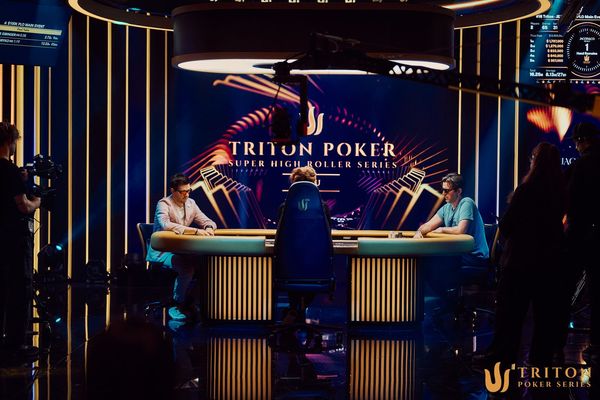
The Triton Poker Super High Roller Series Montenegro is preparing to launch one of its signature events: the $200,000 Invitational. This exclusive tournament pairs professional poker players with invited amateurs, creating a field that blends world-class talent with successful businesspeople who’ve developed formidable poker skills.
The format differs significantly from traditional tournaments. Day 1 splits participants into two separate fields—professionals compete exclusively against other pros, while invitees battle among themselves. This structure ensures both groups accumulate chips before the fields merge, creating fascinating dynamics when recreational players with substantial stacks face off against the game’s elite.
This year’s professional lineup includes some of poker’s most accomplished players. Stephen Chidwick brings his unmatched consistency and tournament prowess. Jason Koon continues his dominance in high roller events. Fedor Holz, fresh off announcing semi-retirement and promptly winning his fifth Triton title in Montenegro, returns to competition. Bryn Kenney, Adrian Mateos, and Kristen Foxen round out a murderer’s row of talent.
The invitee side features names less familiar to casual poker fans but well-known in high roller circles. Jean-Noel Thorel has proven himself capable of competing at the highest levels. Haralabos Voulgaris brings analytical skills honed through professional sports betting. Ding Biao, Santhosh Suvarna, Orpen Kisacikoglu, and Rob Yong have all demonstrated they belong at these stakes.
The pairings include notable matchups: Paul Phua with Patrik Antonius, Jean-Noel Thorel with Christoph Vogelsang, and Rob Yong with Kristen Foxen. Each pairing creates interesting strategic considerations for the eventual merged field.
The Poker Strategy Breakdown
The split-field format creates unique strategic challenges that don’t exist in standard tournament structures. Understanding how to navigate each phase requires adjusting your approach based on which opponents you’re facing and what the upcoming field merger means for your stack.
During Day 1, professionals playing against other pros must balance aggression with survival. The field is exceptionally tough—every opponent understands advanced concepts like range construction, blockers, and optimal frequencies. This creates an environment where fancy play syndrome can be costly, but straightforward play becomes exploitable against thinking opponents who recognize patterns.
The professional field demands tight hand selection in early position, aggressive three-betting strategies from the blinds, and sophisticated post-flop play. Players like Chidwick and Foxen excel in these conditions because they maintain disciplined ranges while applying maximum pressure when opportunities arise. Against elite opposition, small edges compound over hundreds of hands.
Meanwhile, the invitee field presents different challenges. While these players have substantial experience and skill, the gap between them and world-class professionals remains significant. However, underestimating invitees has proven costly for professionals in past events. Players like Thorel and Voulgaris have studied extensively and can execute sophisticated strategies.
The invitee field typically plays looser than the professional field. This creates opportunities for disciplined players to accumulate chips through value betting and avoiding marginal spots. The key is identifying which invitees play fundamentally sound poker versus those who make exploitable mistakes.
When fields merge on Day 2, stack sizes become crucial. Invitees who accumulated large stacks against softer competition suddenly have leverage against professionals. A big stack allows any player to apply pressure, and even elite pros must respect significant chip leads. This dynamic has produced surprising results in previous Invitationals.
Post-merge strategy requires professionals to identify which invitees they can exploit and which demand respect. Some invitees play tight-aggressive poker that’s difficult to exploit. Others have leaks in their game—calling too wide, folding too often to aggression, or misunderstanding ICM pressure. Quickly categorizing opponents becomes essential.
Reading The Field & Table Dynamics
Table draw significantly impacts your Day 1 strategy. Drawing a table with Holz, Koon, and Antonius requires extreme discipline. These players won’t make mistakes, so your edge comes from perfect execution and capitalizing on rare opportunities. Conversely, a softer professional table with players outside the elite tier offers more room for creative plays.
Pay attention to stack distribution as Day 1 progresses. If the invitee field is playing particularly loose, many players will bust early, creating a top-heavy chip distribution. This affects post-merge dynamics because a few invitees with massive stacks can dominate play while short-stacked invitees become desperate.
ICM considerations intensify after the merge. With a $200,000 buy-in, every decision carries enormous financial implications. The bubble and final table create situations where chip EV and dollar EV diverge dramatically. Understanding when to apply pressure and when to avoid confrontation separates good players from great ones.
Player fatigue becomes a factor during the three-day event. High roller tournaments feature long days and complex decisions. Players who maintain focus and emotional control have significant advantages over those who tilt or make tired mistakes. This is where professionals’ experience in marathon sessions pays dividends.
The presence of paired invitees and professionals adds a psychological dimension. Some professionals feel pressure to perform well because their invitee partner is watching. Others thrive on the added attention. Understanding your emotional response to these dynamics helps maintain optimal decision-making.
Adjusting to individual opponents requires careful observation. Does Kenney seem more aggressive than usual? Is Mateos playing tighter? Are the invitees at your table capable of sophisticated bluffs or do they only bet for value? These reads develop through careful attention to showdowns and betting patterns.
How To Apply This To Your Game
While most players won’t compete in $200,000 buy-in events, the strategic principles from the Triton Invitational apply to tournaments at every level. Understanding how to adjust when field difficulty changes is valuable whether you’re playing a $100 local tournament or a major series event.
First, recognize when you’re playing against tough versus soft competition. In the early stages of most tournaments, fields are softer because recreational players haven’t busted yet. As the tournament progresses, the field gets tougher. Adjust your strategy accordingly—play more straightforwardly against recreational players who won’t notice your patterns, and mix up your play against regulars who are paying attention.
Second, practice categorizing opponents quickly. Within the first orbit, you should have preliminary reads on who’s tight, who’s loose, who’s aggressive, and who’s passive. These basic reads inform every decision. As you gather more information, refine your understanding of each opponent’s tendencies and capabilities.
Third, study ICM and understand how tournament equity differs from chip equity. Free ICM calculators let you analyze common situations. Understanding that doubling your stack doesn’t double your equity—and that losing half your stack costs more than half your equity—transforms your decision-making near bubbles and final tables.
Fourth, work on maintaining focus during long sessions. Tournament poker requires sustained concentration over many hours. Develop routines that help you stay sharp—take breaks when allowed, stay hydrated, and avoid playing when tired. Mental endurance is a skill you can develop through practice.
Fifth, review your play after tournaments. Which decisions were close? Where did you deviate from optimal strategy? What patterns did you notice in opponents that you could exploit better next time? Consistent post-session analysis accelerates improvement more than simply playing more hands.
Key Takeaways
- The split-field format creates distinct strategic phases requiring different approaches—tight-aggressive play against professionals, exploitative adjustments against invitees, and careful ICM navigation post-merge
- Stack sizes accumulated during Day 1 against softer competition can provide leverage against elite professionals after fields merge, making chip accumulation crucial early
- Player categorization must happen quickly when fields merge—identifying which opponents to exploit versus which to avoid is essential for deep runs
- ICM pressure intensifies at $200,000 buy-ins, making survival and ladder considerations more valuable than chip accumulation in many spots
- The professional lineup featuring Chidwick, Holz, Foxen, and Koon represents the highest level of tournament poker, where small edges compound over time
- Invitees like Thorel, Voulgaris, and Kisacikoglu have proven they can compete at high roller levels, demonstrating that dedicated study can bridge skill gaps
Frequently Asked Questions
How does the Triton Invitational format work?
The tournament begins with split fields on Day 1—professionals play exclusively against other pros while invitees compete among themselves. Both groups play separately to accumulate chips. On Day 2, the fields merge into a single tournament where all players compete together. This format ensures invitees build stacks before facing elite professionals, creating interesting dynamics when big-stacked amateurs have leverage against world-class players.
What’s the strategic difference between playing the professional field versus the invitee field?
The professional field requires extremely tight hand selection, sophisticated post-flop play, and constant awareness of opponent ranges and tendencies. Every player understands advanced concepts, so edges are small and compound slowly. The invitee field typically plays looser and makes more fundamental mistakes, allowing disciplined players to accumulate chips through straightforward value betting and avoiding marginal spots. However, underestimating capable invitees can be costly.
How should professionals adjust their strategy when fields merge?
After the merge, professionals must quickly categorize which invitees they can exploit and which demand respect. Some invitees play fundamentally sound poker that’s difficult to exploit, while others have identifiable leaks. Stack sizes become crucial—invitees with big stacks have leverage regardless of skill level. Professionals should focus on exploiting weaker invitees while avoiding confrontations with strong invitees who have position or stack advantages. ICM considerations also intensify, making survival more valuable than chip accumulation in many situations.
Final Thoughts
The Triton Montenegro $200K Invitational represents a fascinating experiment in tournament structure. By splitting fields initially, organizers create a format where skill advantages are both magnified and neutralized at different stages. Professionals must navigate a brutal Day 1 against elite competition, while invitees can accumulate chips in a softer environment. When fields merge, stack sizes often matter more than skill differentials in individual hands.
This format also highlights an important truth about poker: chip leverage matters enormously. A recreational player with 200 big blinds can apply pressure that even elite professionals must respect. While skill advantages manifest over large sample sizes, individual tournaments create variance that allows less experienced players to compete. The Invitational format amplifies this dynamic by giving invitees a runway to build stacks before facing the toughest competition.
For poker students, watching how professionals navigate this unique structure offers valuable lessons. Pay attention to how players like Chidwick and Foxen adjust their aggression levels based on opponents and stack sizes. Notice how they balance survival with chip accumulation. Study their decision-making near pay jumps. These strategic concepts apply to tournaments at every level, making the Invitational more than just a spectacle—it’s a masterclass in adaptive tournament poker.
Ready to Sharpen Your Poker Game?
Master your poker game with expert hand analysis