How Carson Wieland Navigated Final Table Pressure for First Ring
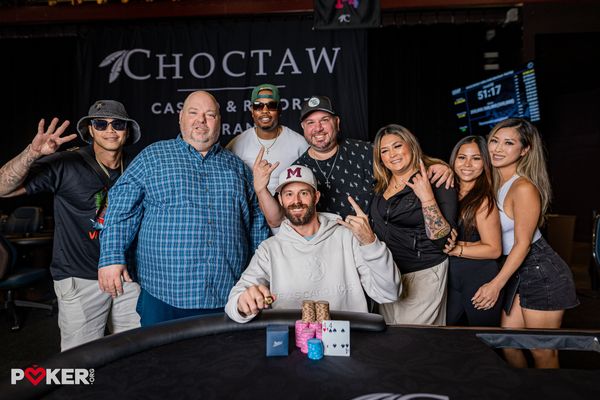
Carson Wieland turned a fifth-place chip position into a $268,245 victory at the WSOPC Choctaw Main Event, overcoming a significant heads-up deficit to capture his first Circuit ring. The Texas grinder’s strategic aggression and table awareness proved decisive as he outlasted 1,117 entries, finally breaking through after years of near-misses at Circuit final tables.
What Happened
The $1,700 buy-in WSOPC Choctaw Main Event generated a prize pool of $1,692,255, with 129 players reaching the money. Wieland entered the final table in fifth position with an above-average stack, far from the commanding chip lead but with enough ammunition to apply pressure.
The final table saw Wieland steadily accumulate chips while avoiding major confrontations early. His patient approach paid dividends as shorter stacks eliminated each other, allowing him to preserve his stack while moving up the pay ladder. By the time heads-up play began against Alexander Ho, Wieland faced a substantial chip disadvantage.
Ho’s lead appeared insurmountable, but Wieland found two critical double-ups that shifted momentum entirely. Once he seized the chip lead, Wieland never relinquished control, systematically applying pressure until securing the knockout and his first WSOP Circuit ring. The victory pushed his career earnings to $514,789, with this single score representing more than half that total.
Alexander Ho earned $179,030 for his runner-up finish, while Braxton Dunaway claimed third place for $125,510. The top nine finishers all secured five-figure paydays, with ninth place earning $20,980.
The Poker Strategy Breakdown
Wieland’s path to victory offers a masterclass in navigating final table dynamics from a middle-stack position. Starting fifth in chips, he faced a delicate balance: aggressive enough to accumulate chips, but cautious enough to avoid unnecessary risks that could end his tournament prematurely.
The key strategic decision Wieland made was recognizing when to apply pressure despite his chip position. Many players in fifth place adopt an overly conservative approach, hoping shorter stacks bust out naturally. Wieland took the opposite approach, identifying spots where he could dictate action even without the chip lead.
This aggressive posture created a paradox that worked in his favor. As Wieland himself noted, he expected more resistance from the bigger stacks but instead found himself controlling the pace of play. This likely occurred because the chip leaders were playing cautiously to protect their stacks, while shorter stacks were in survival mode. Wieland exploited this dynamic by attacking both groups selectively.
The heads-up comeback against Ho demonstrates another crucial skill: adjusting aggression levels based on stack depth. When significantly behind, Wieland identified premium spots to commit his chips, finding two double-ups that brought him back into contention. These weren’t desperate shoves but calculated risks with strong equity.
Once Wieland gained the chip lead, he shifted gears again, applying relentless pressure that prevented Ho from mounting a comeback. This ability to modulate aggression—conservative when behind, aggressive when ahead—separates elite tournament players from the pack. Wieland didn’t allow his opponent breathing room to find a double-up of his own.
Reading The Field & Table Dynamics
Final table dynamics often create unexpected opportunities for observant players. Wieland’s success stemmed partly from his ability to read how other players were approaching the final table and exploiting their tendencies.
The chip leaders at the table appeared to be playing cautiously, likely focused on ICM considerations and the significant pay jumps between positions. This defensive posture from the big stacks created a vacuum that Wieland filled. By applying pressure in spots where the chip leaders were reluctant to engage, he accumulated chips without facing the resistance his stack size might normally encounter.
Shorter stacks, meanwhile, were in survival mode, looking for premium hands to double through. Wieland avoided these players when they showed strength but attacked their blinds and antes when they showed weakness. This selective aggression allowed him to chip up steadily without taking unnecessary risks against desperate opponents.
The psychological aspect of Wieland’s play also deserves attention. With a vocal rail of supporters cheering his every move, he brought energy and confidence to the table that may have intimidated opponents. While rail support doesn’t change card distributions, it can affect the mental game, especially during long final tables when fatigue sets in.
Wieland’s experience at multiple Circuit final tables also gave him an edge. He understood the pressure points, the typical mistakes players make, and how to exploit them. This wasn’t his first rodeo—it was simply the first time everything aligned for him to close out the victory.
How To Apply This To Your Game
Wieland’s victory offers several actionable lessons for tournament players at all levels. First, understand that chip position isn’t destiny at final tables. Being fifth in chips doesn’t mean playing passively and hoping for the best. Look for opportunities to apply pressure, especially when bigger stacks are playing cautiously and shorter stacks are in survival mode.
Second, adjust your aggression based on the specific dynamics at your table, not just your chip count. If the big stacks are playing defensively, exploit that tendency by attacking more frequently than standard strategy might suggest. If they’re playing aggressively, tighten up and wait for premium spots. Table dynamics matter more than textbook strategy.
Third, when facing a significant chip deficit heads-up, identify your spots carefully. Wieland didn’t panic when behind against Ho—he waited for strong situations to commit his chips. Desperation leads to poor decisions. Patience combined with selective aggression gives you the best chance to mount a comeback.
Fourth, once you gain the chip lead, don’t let your opponent back into the match. Apply consistent pressure, force difficult decisions, and maintain your aggression. Many players get conservative when they finally gain the lead, but that’s precisely when you should be most aggressive, preventing your opponent from finding the double-up they need.
Finally, don’t underestimate the mental game. Wieland had been close before and come up short. His experience taught him how to handle the pressure of a final table, when to trust his reads, and how to stay focused during crucial moments. Build your mental resilience through experience, and learn from both victories and defeats.
Key Takeaways
- Middle stacks can dictate final table action by exploiting cautious big stacks and desperate short stacks
- Chip position matters less than understanding table dynamics and player tendencies
- Heads-up comebacks require patience to find premium spots, then relentless aggression once you gain the lead
- Selective aggression outperforms both passive play and reckless gambling at final tables
- Experience at final tables builds mental resilience and pattern recognition that creates edges
- Rail support and confidence can provide psychological advantages during marathon final tables
Frequently Asked Questions
How did Carson Wieland overcome his heads-up chip deficit?
Wieland found two crucial double-ups against Alexander Ho by identifying premium spots to commit his chips rather than making desperate moves. Once he gained the chip lead through these double-ups, he applied relentless pressure that prevented Ho from mounting his own comeback, systematically grinding down his opponent’s stack until securing the victory.
What was the key to Wieland’s success from a fifth-place chip position?
Wieland exploited the cautious play of bigger stacks and the survival mode of shorter stacks by applying selective aggression. He dictated action despite not having the chip lead, attacking spots where opponents were reluctant to engage and avoiding confrontations when opponents showed strength. This allowed him to accumulate chips steadily without taking unnecessary risks.
How large was the WSOPC Choctaw Main Event prize pool?
The tournament generated a prize pool of $1,692,255 from 1,117 entries, with 129 players reaching the money. First place paid $268,245, while second place earned $179,030. The event featured a $1,700 buy-in and was held at Choctaw Casino in Durant, Oklahoma.
Final Thoughts
Carson Wieland’s breakthrough victory at WSOPC Choctaw demonstrates that persistence and strategic evolution eventually pay dividends in tournament poker. After years of reaching Circuit final tables only to fall short, Wieland refined his approach, learned from his mistakes, and finally converted his skills into a major title. His ability to read table dynamics, adjust aggression appropriately, and execute under pressure separated him from a field of over 1,100 players.
The strategic lessons from this victory extend beyond the specific hands played. Wieland showed that middle stacks can control final tables through selective aggression, that chip deficits aren’t insurmountable with the right approach, and that mental resilience built through experience creates edges that matter in crucial moments. These principles apply whether you’re playing a Circuit Main Event or a local tournament—the fundamentals of pressure, timing, and adjustment remain constant.
For players looking to improve their tournament game, study not just the cards but the dynamics that create opportunities. Understand when to attack, when to defend, and how to adjust based on your opponents’ tendencies rather than just your chip count. That’s the difference between good players and champions.
Ready to Sharpen Your Poker Game?
Master your poker game with expert hand analysis