

Greg Mueller’s WSOP Comeback: Beating Burnout at Final Table
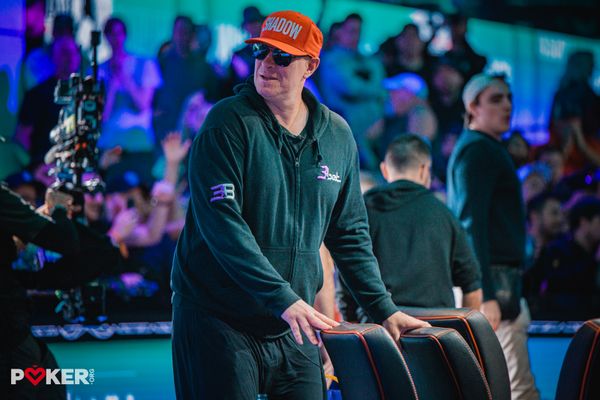
Greg Mueller arrived at the 2026 WSOP Main Event final table carrying 48.5 million chips and a secret: he’d nearly quit tournament poker altogether. The three-time bracelet winner had spent months prioritizing golf over grind, choosing dinner invitations over deep runs, until a pivotal conversation reignited his competitive fire just in time for poker’s biggest stage.
What Happened
Mueller’s path to the November Nine wasn’t supposed to happen. The Canadian pro, who transitioned from professional hockey to poker over two decades ago, had been experiencing classic symptoms of tournament burnout. He’d developed a pattern of late registrations, taking quick shots with short stacks, then heading to the golf course after busting. “Zip it in. Busto,” became his mantra for what he now recognizes as a cry for help.
His relationship with poker had fundamentally changed. The same player who once sprinted up the Rio stairs with childlike enthusiasm now viewed tournament structures as oppressive. Two-hour stretches at the table felt like imprisonment. The inability to leave for dinner with friends felt like answering to a boss. Meanwhile, golf consumed his passion—a sport he picked up during COVID that offered everything poker wasn’t providing: fresh air, movement, and flexible scheduling.
But something shifted before the 2026 Main Event. After heart-to-heart conversations with close friends, Mueller made a commitment: if he was going to play one tournament all year with complete dedication, it would be this one. That decision transformed his approach from Day 1D forward, building a stack that grew from 100,000 starting chips to 48.5 million by Day 8—good for fourth place among the final nine players.
Now Mueller faces a two-week break before the final table resumes on ESPN, and he’s treating the intermission like a training camp. He’s dropped seven to eight pounds through clean eating, eliminated his post-session Johnny Rockets ritual of milkshakes and burgers chased with Tums, and committed to a regimen of stairs, weights, and walking. He even organized a hockey game with former NHL buddies that ESPN filmed, blending his athletic past with his poker present.
The Poker Strategy Breakdown
Mueller’s chip progression throughout the Main Event reveals a player who understood exactly when to accumulate and when to preserve. His Day 1D stack of 100,000 grew modestly to 175,000 on Day 2D—a conservative start that kept him alive while others flamed out. The real acceleration began on Day 3, when he more than sextupled his stack to 1.224 million, suggesting he identified profitable spots as the field thinned and weaker players exposed themselves.
The most telling jump came on Day 8, when Mueller’s 13.2 million ballooned to 48.5 million—a 267% increase in a single day. This explosive growth at the final table bubble demonstrates advanced ICM awareness and the ability to apply pressure when it matters most. Players protecting their final table seats become exploitable, and Mueller clearly recognized these dynamics.
What makes Mueller’s run particularly instructive is that it came after months of disengagement. He wasn’t grinding daily tournaments, staying sharp through constant repetition. Instead, he arrived fresh, motivated, and mentally prepared—suggesting that for experienced players, mental state might trump recent volume. His commitment to playing “with heart and soul” translated into decisive action at critical moments.
Mueller’s background as a professional athlete likely contributed to his late-stage performance. Elite athletes understand pressure, know how to prepare for big moments, and can compartmentalize distractions. His decision to treat the final table intermission like playoff preparation—focusing on physical conditioning, rest, and mental clarity—mirrors how professional athletes approach championship games.
Reading The Field & Table Dynamics
Mueller’s fourth-place chip position among the final nine creates interesting strategic considerations. He’s not the chip leader, which means he can avoid being the primary target while still having enough ammunition to apply pressure. Players with shorter stacks will need to make moves, creating opportunities for Mueller to pick profitable spots without forcing action.
The two-week break before the final table introduces psychological warfare that extends beyond the felt. Every finalist will analyze their opponents’ interviews, looking for tells about mental state, confidence levels, and strategic tendencies. Mueller’s candid discussion about burnout and his renewed commitment could be interpreted multiple ways: as vulnerability suggesting rustiness, or as dangerous honesty from a player who’s rediscovered his passion at exactly the right moment.
ICM considerations at a Main Event final table create unique dynamics that differ from standard tournament play. The pay jumps are massive—millions of dollars separate each position. This typically leads to conservative play from middle stacks trying to ladder up, but Mueller’s athletic background and recent disengagement from poker might make him less risk-averse than opponents who grind tournaments year-round and feel the weight of variance more acutely.
Mueller’s admission that he “can still play” after questioning his passion suggests he’s operating with house money mentally. This psychological edge—knowing he almost didn’t even prioritize poker anymore—could make him a dangerous opponent. Players with nothing to prove often play their best poker because they’re free from the pressure of expectations.
How To Apply This To Your Game
The most valuable lesson from Mueller’s run isn’t about hand ranges or bet sizing—it’s about recognizing burnout before it destroys your edge. If you’re consistently late-registering tournaments hoping to bust quickly, or if you’re looking for any excuse to leave cash games, you’re not in the right mental space to play winning poker. Taking a break isn’t weakness; it’s strategic resource management.
Mueller’s physical preparation for the final table offers a blueprint that applies to any serious poker session. The connection between physical health and mental performance isn’t theoretical—it’s measurable. Clean eating, adequate sleep, and regular exercise improve decision-making, emotional control, and stamina. If you’re fueling sessions with fast food and energy drinks, you’re handicapping yourself before you see a single card.
Consider Mueller’s selective approach to tournament commitment. Rather than grinding every event and burning out, he chose to focus completely on one major tournament. This concentration of effort and energy can produce better results than spreading yourself thin across dozens of events where you’re not fully engaged. Quality of preparation trumps quantity of entries.
The two-week preparation period Mueller is using demonstrates how to approach big poker moments. He’s not cramming in more hands or studying solvers obsessively. Instead, he’s optimizing his physical and mental state so he’ll perform at his peak when it matters. This approach—treating poker like an athletic performance requiring holistic preparation—separates professionals from amateurs.
Finally, Mueller’s honesty about his relationship with poker provides permission for others to reassess their own. If poker feels like having a boss, if you’re dreading sessions, if other activities bring more joy—these are signals worth examining. Sometimes stepping away creates the space needed to return with renewed passion. And sometimes it reveals that poker served its purpose and it’s time to move on. Both outcomes are valid.
Key Takeaways
- Burnout manifests through behavioral changes like consistent late registration and seeking excuses to quit sessions—recognizing these patterns early allows for course correction before they destroy your edge
- Mental freshness and commitment can outweigh recent volume for experienced players; Mueller’s months away from grinding didn’t prevent him from playing world-class poker when fully engaged
- Physical preparation directly impacts poker performance; Mueller’s focus on clean eating, sleep, and exercise for the final table reflects understanding that poker is a mind-body performance
- Selective tournament focus produces better results than burnout-inducing grinding; concentrating full effort on major events beats half-hearted participation in dozens of tournaments
- ICM dynamics at final tables reward players who can apply pressure without being the primary target; Mueller’s fourth-place stack position offers strategic flexibility
- Athletic backgrounds provide transferable skills for poker pressure situations; Mueller’s hockey career taught him how to prepare for and perform in high-stakes moments
Frequently Asked Questions
How do you know when you’re experiencing poker burnout versus just a downswing?
Burnout manifests behaviorally rather than financially. Warning signs include consistently late-registering tournaments hoping to bust quickly, seeking any excuse to leave profitable games, dreading sessions you used to enjoy, and prioritizing almost any other activity over poker. Downswings affect your bankroll but not necessarily your desire to play. If you’re still excited to play despite losing, it’s variance. If you’re winning but still don’t want to play, it’s burnout.
Should recreational players prepare physically for major tournaments like Mueller is doing?
Absolutely. Physical preparation benefits players at every level because poker performance depends on mental stamina, focus, and decision-making—all of which deteriorate with poor sleep, bad nutrition, and sedentary habits. You don’t need an athlete’s regimen, but basic improvements to sleep schedule, meal quality, and light exercise before sessions will produce measurable improvements in your play, especially during long tournament days.
What’s the strategic advantage of Mueller’s chip position entering the final table?
Fourth place among nine players offers the ideal balance of power and safety. Mueller has enough chips to threaten opponents and steal blinds without being the primary target that short stacks must challenge. He can let shorter stacks battle each other while the chip leaders face pressure to maintain their advantage. This middle position allows selective aggression—applying pressure when opponents show weakness while avoiding unnecessary confrontations with bigger stacks.
Final Thoughts
Greg Mueller’s journey to the 2026 WSOP Main Event final table tells a story that resonates beyond poker. It’s about rediscovering passion for something that once defined you, about recognizing when to step back and when to go all-in, and about the reality that even world-class players struggle with motivation and burnout. His candid admission that he’d rather take dinner invitations than play tournaments humanizes the professional poker experience in ways that highlight reports rarely capture.
What makes Mueller’s run particularly compelling is the timing. He didn’t rediscover his poker passion during a hot streak or after a big score. He made a conscious decision to commit fully to one tournament, and that commitment manifested in both his play and his preparation. The seven-to-eight pounds he’s dropping, the clean eating replacing Johnny Rockets binges, the hockey games with NHL buddies—these details paint a picture of someone treating poker like the performance sport it is. Whether he wins the Main Event or not, Mueller has already demonstrated something valuable: that you can step away, reassess, and return stronger when the moment demands it.
The final table awaits in August, and Mueller will arrive rested, prepared, and motivated by a second chance at poker immortality. For a player who almost walked away from tournaments entirely, there’s poetry in potentially claiming poker’s biggest prize. Sometimes the best preparation isn’t grinding more hands—it’s remembering why you loved the game in the first place.
Ready to Sharpen Your Poker Game?
Master your poker game with expert hand analysis
