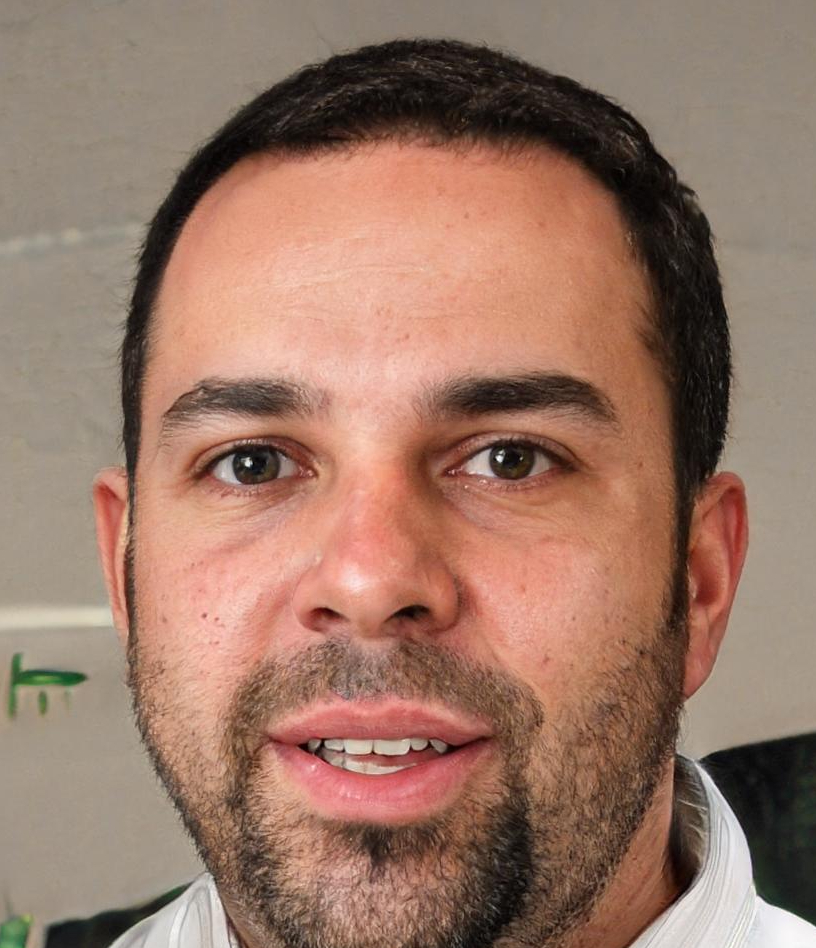
French Pro Conquers WSOP Super Seniors After 20-Year Journey
Lionel Barracano’s two-decade poker journey culminated in a $355,263 victory at the 2026 WSOP Super Seniors event, defeating a massive 3,323-player field. The French grinder turned a history of near-misses into his first gold bracelet, showcasing how patience and persistence pay off in tournament poker’s most competitive arena.
What Happened
The 2026 World Series of Poker Super Seniors Championship delivered a storybook ending for Lionel Barracano, who finally broke through after years of solid but unrewarded performances. His victory marks France’s first bracelet of the summer series and demonstrates the value of specialized event experience.
Barracano entered the Super Seniors with a track record that told the story of consistent competence without the breakthrough. His 12th-place finish in 2024 netted him $22,598—his best result at the time—and represented his third consecutive cash in the event. This year’s fourth cash proved to be the charm, as he navigated through thousands of competitors to claim the top prize.
The final table featured a compelling matchup against Kevin Song, a veteran seeking his second bracelet nearly three decades after capturing his first in a $2,000 Limit Hold’em event back in 1997. Song controlled most of the final table action and held a chip advantage when heads-up play commenced, setting up what appeared to be a difficult climb for the Frenchman.
However, Barracano executed a rapid reversal. He doubled through Song holding pocket jacks against ace-three, then sealed the victory when his pocket fives held against Song’s pocket fours. The quick conclusion to heads-up play demonstrated how tournament momentum can shift dramatically in high-pressure situations.

The Poker Strategy Breakdown
The heads-up finale between Barracano and Song offers valuable insights into tournament endgame strategy. When Barracano found pocket jacks against Song’s ace-three, he was in a classic flip situation—roughly 55% to win. The decision to get the chips in demonstrates proper aggression with premium pairs, especially when facing an opponent who had been applying pressure throughout the final table.
The crucial element here is recognizing when to take stands. Barracano didn’t wait for aces or kings to make his move. Against an aggressive opponent like Song, who had been chip leader for most of the final table, finding pocket jacks in a heads-up scenario represents a premium holding worth committing to. This willingness to embrace variance in favorable spots separates tournament winners from cautious players who blind away their stacks waiting for the nuts.
The final hand—pocket fives versus pocket fours—illustrates the razor-thin margins that determine tournament outcomes. While holding a slight equity advantage, Barracano needed to fade just four outs. These marginal edges accumulate throughout a tournament, and capitalizing on them requires both technical precision and mental fortitude.
What’s particularly instructive about this victory is how Barracano adapted his approach throughout the tournament. Super Seniors events attract experienced players who’ve seen countless hands and situations. Success in these fields demands a different strategic framework than typical WSOP events, with less emphasis on high-variance plays and more focus on exploiting fundamental mistakes and reading opponents accurately.
Reading The Field & Table Dynamics
Barracano’s post-tournament comments revealed a key strategic insight: “It’s much less aggressive poker than a traditional field in other tournaments.” This observation highlights the importance of field selection and adapting your strategy to specific player pools.
Super Seniors events (for players 65 and older) feature a unique dynamic. While the players possess decades of experience, the overall aggression level typically runs lower than open-field events. This creates exploitable situations for players who can identify when to apply pressure and when to exercise patience. Barracano’s four cashes in the event demonstrate his mastery of these specific dynamics.
The final table dynamic shifted dramatically when Song built his chip lead. As the dominant stack, Song could apply maximum pressure on his opponents, forcing difficult decisions and accumulating chips through fold equity. However, this aggressive approach also created opportunities for opponents willing to make stands with strong holdings.
Barracano’s strategic patience throughout the final table exemplifies proper ICM (Independent Chip Model) awareness. Rather than forcing action from a disadvantaged position, he waited for premium spots to commit his chips. This approach allowed shorter stacks to eliminate themselves while preserving his tournament life for situations where he held genuine equity advantages.
The presence of a supportive rail—Barracano’s friends and family—also plays an underappreciated role in tournament success. While poker is an individual game, the psychological boost from having supporters can help players maintain focus and confidence during the marathon sessions that deep tournament runs require.
How To Apply This To Your Game
Barracano’s victory offers several actionable lessons for tournament players at all levels. First, recognize the value of specialized event experience. His four cashes in the Super Seniors event weren’t coincidental—they reflected accumulated knowledge about how these specific fields play. Consider which tournament formats suit your strengths and build expertise through repeated participation.
Second, understand that tournament success often requires years of consistent effort without immediate rewards. Barracano played poker for 20 years before capturing his bracelet. This timeline isn’t unusual among WSOP champions. The key is maintaining proper bankroll management and emotional stability through the inevitable downswings and near-misses.
Third, adapt your aggression level to your specific opponent pool. Barracano explicitly noted that Super Seniors fields play less aggressively than typical tournaments. This doesn’t mean playing passively—it means calibrating your strategy to exploit the tendencies of your opponents. In softer fields, straightforward value betting often proves more profitable than elaborate bluffs.
Fourth, embrace favorable variance when it presents itself. The pocket jacks versus ace-three situation was a flip, but Barracano didn’t shy away from it. Tournament poker requires accepting these spots when you hold slight advantages. Players who consistently avoid close decisions often find themselves blinded away before premium hands arrive.
Finally, recognize the importance of heads-up proficiency. Barracano executed his heads-up match efficiently, taking just two major pots to secure victory. Dedicate practice time to heads-up play, as this skill becomes crucial in determining tournament outcomes. The strategic adjustments required for short-handed and heads-up play differ significantly from full-ring dynamics.
Key Takeaways
- Field selection matters—Barracano’s four cashes in the Super Seniors event demonstrate the value of specializing in tournaments that match your strategic strengths and playing style
- Patience pays in tournament poker—20 years of grinding without major results preceded this breakthrough, highlighting the importance of persistence and proper bankroll management
- Adapt aggression levels to opponent tendencies—recognizing that Super Seniors fields play less aggressively allowed for strategic adjustments that maximized edge
- Execute decisively in favorable spots—Barracano’s willingness to commit with pocket jacks in a flip situation exemplifies proper tournament aggression when holding slight equity advantages
- Heads-up proficiency determines champions—the rapid conclusion to heads-up play showed how preparedness in short-handed situations can efficiently close out tournaments
- ICM awareness preserves tournament life—strategic patience at the final table allowed Barracano to survive until premium opportunities emerged
Frequently Asked Questions
What makes Super Seniors events different from regular WSOP tournaments?
Super Seniors events are restricted to players aged 65 and older, creating a unique player pool with decades of poker experience but typically lower aggression levels than open-field events. These tournaments often feature more straightforward play, with less three-betting and four-betting, making them exploitable for players who can identify when to apply pressure. The field size remains substantial—over 3,300 entries in this event—but the strategic approach differs from younger, more aggressive fields.
How should you adjust your strategy when facing a chip leader at the final table?
When facing a dominant chip leader like Kevin Song, the key is balancing survival with opportunistic aggression. Avoid marginal confrontations where the chip leader can leverage their stack advantage, but be prepared to make stands with premium holdings. Let shorter stacks eliminate themselves when possible, preserving your tournament life for spots where you hold genuine equity. The chip leader’s ability to apply pressure creates opportunities when you wake up with strong hands, as they’re more likely to commit chips with wider ranges.
Why do pocket pairs perform so well in heads-up tournament situations?
Pocket pairs gain significant value in heads-up play because they’re ahead of all unpaired hands preflop and maintain equity even against overcards. In Barracano’s case, pocket jacks versus ace-three was approximately 55-45, while pocket fives versus pocket fours was heavily favored. In heads-up scenarios, the range of hands worth playing expands dramatically, making even small and medium pairs premium holdings. The ability to win without improvement and the equity retention against overcards make pairs ideal for committing chips in short-handed situations.
Final Thoughts
Lionel Barracano’s WSOP Super Seniors victory represents more than a single tournament triumph—it’s a testament to the long-term commitment required for success in competitive poker. His 20-year journey from recreational player introduced to the game by his nephew to WSOP bracelet winner mirrors the experience of countless grinders who dedicate years to mastering the game without immediate glory.
The strategic elements of his victory—patient final table play, decisive execution in key spots, and adaptation to field tendencies—provide a blueprint for tournament success. His recognition that Super Seniors events require different strategic adjustments than typical tournaments demonstrates the analytical approach necessary for consistent results. Whether you’re playing local tournaments or pursuing your own WSOP glory, the principles remain constant: know your opponents, execute with confidence in favorable situations, and maintain the persistence required to weather inevitable variance.
As Barracano prepares to return to France with his first bracelet, his story reminds us that poker rewards those who combine technical skill with long-term dedication. Every tournament represents another opportunity to refine your approach, accumulate experience, and position yourself for breakthrough moments when the cards finally cooperate with preparation.
Ready to Sharpen Your Poker Game?
Master your poker game with expert hand analysis