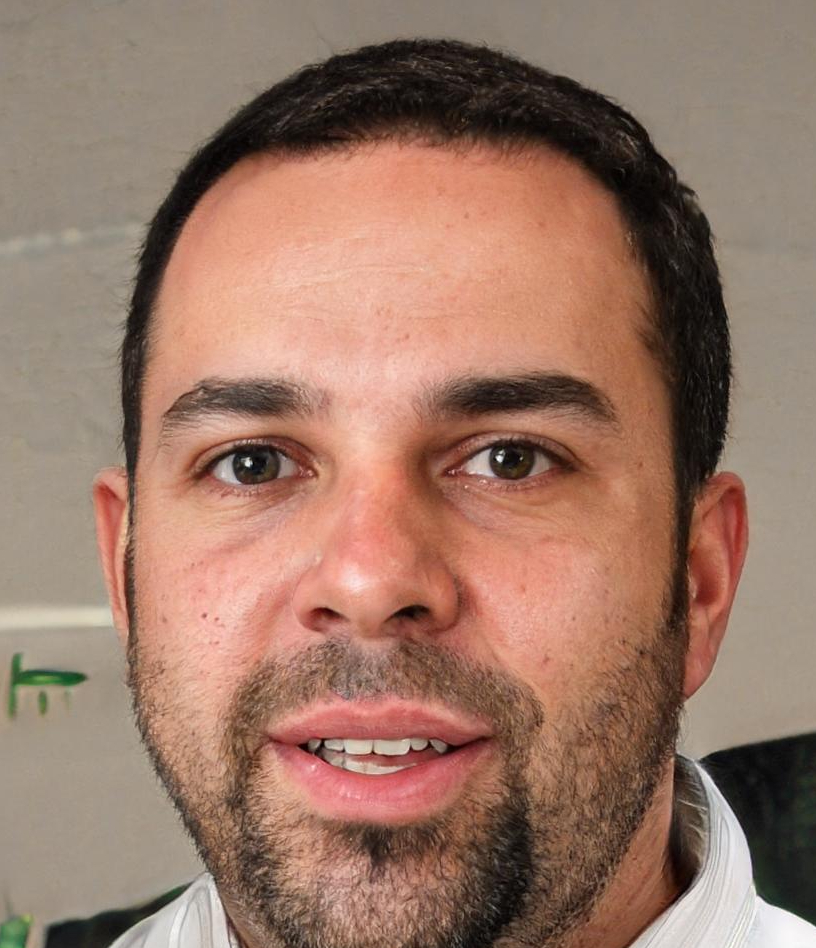
How Justin Arnwine’s ‘Baby Run Good’ Landed His First WSOP Ring
Justin Arnwine captured his first World Series of Poker Circuit ring in Las Vegas, banking $77,485 in the $600 Monster Stack event. The East Coast grinder’s victory comes amid what he calls “baby run good” — a psychological edge he’s discovered since becoming a new father that’s transforming his tournament approach.
What Happened
The WSOP Circuit Las Vegas series is filling the gap between the conclusion of the 2026 World Series and the televised final table scheduled for ESPN in August. Running through July 25 at the Horseshoe Event Center, this mini-series is distributing 17 rings to players hungry for hardware and looking to keep their tournament momentum alive.
Arnwine emerged victorious from a field of 953 entries in the $600 Monster Stack, navigating through 48 survivors on the final day to claim the top prize. Andrew Bevernitz finished as runner-up for $51,710, while Abhishek Paul rounded out the podium with $36,990 for third place.
For Arnwine, this represents a significant milestone in a career that’s been building steadily. His Hendon Mob database shows over 140 recorded cashes, though he estimates the true number exceeds 230 when accounting for unreported smaller tournaments. The ring adds to a resume that’s been missing this particular accolade — though he came agonizingly close to bracelet glory earlier this summer, finishing just shy of the final table in the $1,500 Six Max event.

The Poker Strategy Breakdown
Monster Stack events present unique strategic challenges that separate them from standard tournament structures. With deeper starting stacks relative to the blinds, these tournaments reward patient, fundamentally sound poker while still demanding aggression at critical moments.
The key strategic adjustment in Monster Stack formats involves recalibrating your risk tolerance throughout different stages. Early on, the deep stacks allow for more speculative plays — suited connectors, small pairs, and other hands that play well in multi-way pots become more valuable. You can see more flops, take more calculated risks, and build your stack through implied odds situations that wouldn’t be profitable in turbo or standard structures.
However, the mistake many players make is maintaining this loose-passive approach too deep into the tournament. As blinds escalate and the field narrows, the effective stack sizes begin to resemble standard tournaments, requiring a gear shift toward more aggressive play. This transition point — typically when average stacks drop below 40 big blinds — is where tournaments are won and lost.
Arnwine’s approach to tournament poker has evolved significantly with his new perspective as a father. His comments about viewing bust-outs as a “two-sided coin” reveal a psychological framework that actually enhances decision-making. When you’re not paralyzed by fear of elimination, you can make mathematically correct plays without the emotional baggage that causes many players to play too cautiously in crucial spots.
This mindset shift is particularly powerful in the middle stages of tournaments, where accumulation becomes critical. Players who are overly attached to their tournament life often pass up thin value bets, fold too much to aggression, and miss opportunities to apply pressure when holding the range advantage. Arnwine’s psychological approach allows him to take these necessary spots without the mental blocks that plague many competitors.
Reading The Field & Table Dynamics
Navigating a field of 953 entries requires more than just solid fundamentals — it demands an ability to adjust to changing table dynamics as the tournament progresses through different stages.
In the early levels of a Monster Stack event, you’re typically facing recreational players mixed with professionals, all with comfortable stack depths. The optimal strategy involves identifying which opponents are playing too loose-passive (exploitable through aggressive betting when you connect with boards) versus those playing too tight-passive (exploitable through increased stealing and three-betting).
As the tournament enters the middle stages and approaches the money bubble, ICM (Independent Chip Model) considerations begin to influence optimal play. With 953 entries, the money bubble likely occurred around 140-150 players remaining. This is where aggressive players can accumulate chips by applying pressure to medium stacks desperate to ladder up.
The final table bubble presents another critical inflection point. With nine players remaining and significant pay jumps between positions, ICM pressure intensifies dramatically. Short stacks become extremely tight, hoping others bust first. This creates opportunities for chip leaders and above-average stacks to run over the table, stealing blinds and applying maximum pressure.
Arnwine’s ability to navigate 48 final-day survivors down to the championship suggests strong endgame skills. The final day of a multi-day tournament tests your ability to maintain focus and discipline over extended periods, often 10-12 hours of play. Mental stamina becomes as important as technical skill, and players who can maintain their A-game deep into these marathon sessions have a significant edge.
One often-overlooked aspect of final table play is the importance of stack leverage. Having chips isn’t just about survival — it’s about applying pressure and forcing opponents into difficult decisions. The player who can effectively use their stack as a weapon, rather than just a defensive tool, typically emerges victorious.
How To Apply This To Your Game
Arnwine’s success offers several actionable lessons that players at any level can implement to improve their tournament results.
First, develop a psychological framework that reduces fear of elimination. This doesn’t mean playing recklessly, but rather making decisions based on expected value rather than fear. When you’re facing a close decision — a thin value bet on the river, a marginal three-bet, or a hero call against an aggressive opponent — your ability to execute without emotional interference is crucial. Practice making these decisions in lower-stakes tournaments where the financial pressure is reduced, building confidence in your decision-making process.
Second, recognize the importance of gear shifts throughout tournament structures. Create mental checkpoints based on average stack sizes: when you’re above 50 big blinds, focus on accumulation through implied odds plays. Between 30-50 big blinds, shift toward more aggressive stealing and three-betting. Below 30 big blinds, your strategy should emphasize push-fold dynamics and exploiting ICM pressure.
Third, invest in your endgame skills. Many players focus exclusively on early and middle-stage strategy while neglecting final table dynamics. Study ICM calculators, understand pay jump implications, and practice short-handed play. The final table is where the real money is made, and even small improvements in your endgame can dramatically increase your tournament ROI.
Fourth, maintain a volume approach to tournament poker. Arnwine’s 230+ tournament cashes didn’t happen by accident — they’re the result of consistent participation and learning from each experience. Even if you can’t play full-time, establishing a regular tournament schedule helps you build pattern recognition and develop instincts that only come from repetition.
Finally, take care of your mental game outside the poker room. Arnwine’s comments about family providing perspective suggest that a balanced life actually improves poker performance. When poker isn’t your entire identity, you’re better equipped to handle the variance and make rational decisions under pressure.
Key Takeaways
- Monster Stack tournaments reward patient early play but require aggressive gear shifts as effective stacks decrease below 40 big blinds
- Psychological detachment from tournament life enables better decision-making in marginal spots where fear often causes players to play too conservatively
- ICM considerations intensify dramatically at money bubbles and final table bubbles, creating exploitation opportunities for aggressive players
- Endgame skills and mental stamina over 10-12 hour final days are often more important than early-stage strategy for tournament success
- Volume and consistent participation build the pattern recognition necessary to navigate large-field tournaments successfully
- Maintaining life balance and perspective outside poker can actually improve in-game performance by reducing emotional attachment to results
Frequently Asked Questions
What makes Monster Stack tournaments different from regular tournament structures?
Monster Stack events feature significantly deeper starting stacks relative to the blinds, typically 25,000-50,000 chips compared to standard 10,000-20,000 chip tournaments. This deeper structure allows for more post-flop play early on, rewards speculative hands with implied odds, and requires different strategic adjustments as the tournament progresses. Players need to recognize when the deep stack advantages diminish and shift gears accordingly.
How does becoming a parent affect tournament poker performance?
While individual experiences vary, many players report that parenthood provides valuable perspective that reduces fear of elimination. When poker isn’t your sole focus, you’re often better equipped to make rational decisions without emotional interference. The “two-sided coin” mentality — where busting means returning to family — can paradoxically lead to better decision-making by removing the paralysis that fear creates in marginal spots.
What’s the difference between WSOP Circuit rings and bracelets?
WSOP bracelets are awarded exclusively during the World Series of Poker main series held annually in Las Vegas, typically May through July. Circuit rings are distributed at regional WSOP Circuit events held throughout the year across various locations. While bracelets carry more prestige due to the larger fields and higher buy-ins at the main series, Circuit rings are still significant accomplishments that demonstrate tournament skill and are highly valued by professional players.
Final Thoughts
Justin Arnwine’s first Circuit ring represents more than just another tournament victory — it’s a case study in how psychological approach and life perspective can directly impact poker performance. His journey from East Coast grinder to Circuit champion demonstrates that success in tournament poker requires both technical skill and mental framework.
The WSOP Circuit Las Vegas series continues through July 25, with the $1,700 Main Event representing the crown jewel of the schedule. For players looking to capture their own hardware or simply stay sharp between major series, these events provide excellent opportunities to test skills against diverse fields in well-structured tournaments.
Whether you’re grinding daily tournaments like Arnwine or playing recreationally, the principles that led to his success remain constant: sound fundamentals, proper gear shifts, psychological resilience, and the volume necessary to navigate variance. Study the game, maintain perspective, and put in the hours — the results will follow.
Ready to Sharpen Your Poker Game?
Master your poker game with expert hand analysis