Nick Schulman’s Radio Launch: Insights From Poker’s Elite
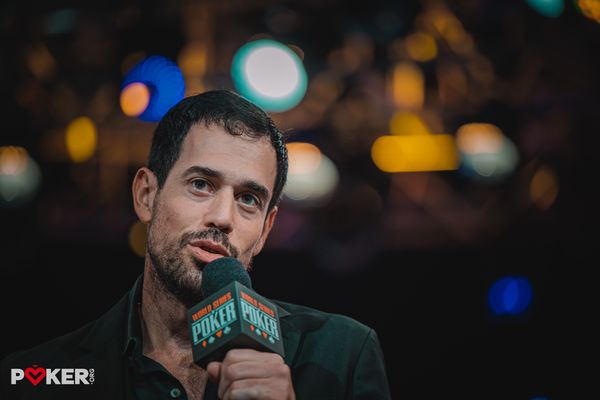
Poker Hall of Famer Nick Schulman has taken his storytelling prowess to SiriusXM radio, launching a groundbreaking poker talk show that marks the first dedicated poker program on national radio. The debut episode featured fascinating tales from Schulman’s illustrious career, including a memorable $30,000 tip that backfired spectacularly at one of Molly Bloom’s legendary private games.
What Happened
The eight-time WSOP bracelet winner premiered “Poker Weekly with Nick Schulman” on SiriusXM Channel 82, kicking off a six-week trial that could determine whether poker gets a permanent voice on mainstream radio. The inaugural broadcast showcased Schulman’s natural ability to weave compelling narratives, drawing from decades of experience in pool halls, underground games, and high-stakes poker rooms.
Schulman traced his gambling roots back to age 11 in northeastern pool halls, where he developed an obsessive dedication to competition. By 15, he’d won his first poker tournament—a modest $20 buy-in event in Scranton, Pennsylvania—that ignited a passion lasting over two decades. The transition from pool shark to poker professional happened organically as he immersed himself in online poker before conquering New York City’s live cash game circuit.
The episode’s most intriguing revelation involved Schulman’s experience at Molly Bloom’s exclusive games, which later inspired Aaron Sorkin’s 2017 film “Molly’s Game.” According to Schulman, he tipped Bloom $30,000 after a session—a gesture he described as standard for his lifestyle at the time—only to find himself mysteriously excluded from future games. The anecdote offers a rare glimpse into the delicate social dynamics governing elite private poker games, where even generous tips can’t guarantee continued access.
The show also featured guests Nick Wright, host of FS1’s “First Things First” and a serious poker player himself, alongside Taylor von Kriegenbergh, a Schulman confidant who regularly plays in the world’s biggest cash games. Their discussion centered on a hand Wright played that went sideways, providing entertainment and instructional value for listeners.
The Poker Strategy Breakdown
While Schulman’s radio debut focused more on storytelling than hand analysis, the underlying strategic lessons are profound for players at every level. His journey from pool halls to poker’s highest echelons illustrates a critical concept: transferable skills from other competitive pursuits directly enhance poker performance.
The obsessive nature Schulman described developing in pool halls—studying angles, calculating probabilities, reading opponents—translates seamlessly to poker. This cross-pollination of gambling skills demonstrates why many elite poker players have backgrounds in chess, backgammon, or other games requiring strategic thinking and psychological warfare. The lesson here is that improving your poker game doesn’t always mean grinding more hands; sometimes it means developing your analytical mind through diverse competitive experiences.
Schulman’s early tournament win at 15 represents another strategic milestone. That $20 buy-in event taught him something invaluable: the emotional rush of victory and the addictive nature of competition. Understanding your own psychological triggers—what motivates you, what tilts you, what keeps you coming back—is fundamental to long-term success. Players who can’t identify these internal drivers often struggle with bankroll management and game selection.
The Molly Bloom anecdote, while seemingly about social dynamics, actually reveals sophisticated strategic thinking about game selection and access. Schulman recognized that playing in games with wealthy recreational players offered tremendous value, even if it meant navigating complex social hierarchies and paying substantial tips. The fact that his generous gratuity didn’t secure future access demonstrates that in private games, factors beyond poker skill and etiquette often determine who gets a seat.
This reality forces professionals to think strategically about networking, reputation management, and relationship building—skills that don’t appear in poker textbooks but directly impact your bottom line. The best players understand that poker success isn’t just about making correct decisions at the table; it’s about positioning yourself to play in the most profitable games available.
Reading The Field & Table Dynamics
Schulman’s career trajectory offers masterclass-level insights into understanding different poker ecosystems and adapting your approach accordingly. His progression from online poker to New York City cash games to exclusive private games required constant recalibration of his strategic framework and social intelligence.
Online poker, where Schulman cut his teeth, rewards pure technical skill and mathematical precision. Without physical tells or social dynamics to navigate, success depends on optimal ranges, bet sizing, and exploitative adjustments based on statistical data. Players who thrive online typically excel at multi-tabling, pattern recognition, and emotional detachment from individual results.
Transitioning to live cash games in New York City demanded different skills. Suddenly, physical tells, table talk, and personal relationships mattered. The pace slowed dramatically, requiring patience and the ability to maintain focus during long sessions. Understanding which players were action-seeking gamblers versus grinders trying to eke out a profit became crucial for maximizing hourly rate.
Private games like Molly Bloom’s represented yet another ecosystem entirely. These games featured wealthy businessmen and celebrities playing for entertainment rather than profit. The strategic adjustment required playing a more straightforward, value-oriented style while managing social dynamics carefully. Schulman’s experience getting frozen out despite a massive tip illustrates how non-poker factors—personality conflicts, perceived threat level, or simply not fitting the desired player mix—can override poker considerations.
The key lesson is that table dynamics extend far beyond individual hands. Understanding the broader context—why players are in the game, what they hope to achieve, how they perceive you—informs every decision you make. In tournament poker, this might mean recognizing when short stacks are playing scared near the bubble. In cash games, it means identifying which players are stuck and steaming versus those playing their A-game.
How To Apply This To Your Game
Schulman’s journey from pool hall to poker prominence offers actionable insights for players looking to elevate their game. First, develop obsessive focus on fundamentals. Schulman’s dedication to mastering pool translated directly to poker success because both require understanding probability, geometry, and opponent psychology. Identify the core skills your game needs—whether hand reading, bet sizing, or emotional control—and pursue improvement relentlessly.
Second, diversify your poker experience across different formats and stakes. Schulman didn’t just stick to one game type; he conquered online poker, live cash games, and tournament play. Each format teaches unique lessons. Online poker builds technical foundations and hand volume. Live cash games develop people-reading skills and patience. Tournaments teach ICM considerations and stack management. Playing across formats makes you a more complete player.
Third, recognize that game selection matters as much as poker skill. Schulman’s willingness to pay a $30,000 tip for access to Molly Bloom’s game demonstrates understanding that playing against wealthy recreational players offers enormous value. Don’t just play wherever is convenient; actively seek games where you have an edge. This might mean traveling to softer venues, building relationships with game organizers, or moving up stakes when you’re properly bankrolled.
Fourth, develop your poker network strategically. Schulman’s friendship with Taylor von Kriegenbergh, who plays in the world’s biggest games, exemplifies how relationships open doors. Attend poker events, engage with the community, and build genuine connections. Your network determines which games you hear about, which players stake you, and which opportunities come your way.
Finally, understand that poker success requires navigating social dynamics skillfully. Schulman’s experience getting frozen out of Molly’s game despite generous tipping teaches that you can’t control everything. Sometimes you’ll make correct decisions and still face negative outcomes. The key is maintaining professionalism, managing your reputation carefully, and recognizing when to move on to better opportunities.
Key Takeaways
- Nick Schulman launched poker’s first dedicated national radio show on SiriusXM, completing a six-week trial run that could lead to permanent programming
- His $30,000 tip at Molly Bloom’s game didn’t guarantee future access, illustrating how private game dynamics transcend normal poker etiquette
- Schulman’s progression from pool halls to online poker to elite cash games demonstrates the importance of developing transferable competitive skills
- Game selection and networking often matter as much as technical poker skill for long-term profitability
- Understanding different poker ecosystems—online, live cash, tournaments, private games—requires constant strategic adaptation
- Building an obsessive focus on fundamentals, regardless of the game, creates a foundation for excellence across all competitive pursuits
Frequently Asked Questions
What makes Nick Schulman qualified to host a poker radio show?
Schulman is a Poker Hall of Fame inductee with eight WSOP bracelets and over two decades of experience at poker’s highest levels. His natural storytelling ability, demonstrated through commentary on WSOP Main Event livestreams and High Stakes Poker, translates perfectly to radio format. His diverse experience across online poker, live cash games, and exclusive private games gives him unique insights into all aspects of poker culture.
Why would a $30,000 tip get someone excluded from a private poker game?
Private games operate on complex social dynamics beyond normal poker etiquette. Possible reasons for exclusion despite generous tipping include: being perceived as too strong a player who might discourage recreational players, personality conflicts with the host or other players, or simply not fitting the desired mix of personalities the host wants to cultivate. In elite private games, access is a privilege controlled by the host, who prioritizes game longevity over any individual player’s contributions.
How can recreational players apply lessons from Schulman’s career to their own games?
Focus on developing obsessive dedication to fundamentals rather than chasing quick fixes. Play across multiple formats (online, live, tournaments) to develop a well-rounded skill set. Prioritize game selection by seeking softer competition rather than just playing wherever is convenient. Build genuine relationships within the poker community to access better opportunities. Finally, recognize that non-poker factors like social skills and reputation management significantly impact your long-term success and profitability.
Final Thoughts
Nick Schulman’s radio debut represents more than just another poker personality launching a media project. It signals poker’s continued evolution into mainstream entertainment, with a dedicated show on national radio reaching audiences who might never tune into a poker livestream or tournament broadcast. Schulman’s natural storytelling ability and decades of experience position him perfectly to introduce poker’s complexity and appeal to broader audiences while providing depth for serious players.
The Molly Bloom anecdote, while entertaining, underscores a crucial reality for aspiring professionals: poker success requires navigating social landscapes as skillfully as you play hands. Technical excellence at the table is necessary but insufficient. Understanding game dynamics, building relationships, managing your reputation, and recognizing when to pursue different opportunities all contribute to long-term profitability. Schulman’s willingness to share both triumphs and setbacks—like losing access to a lucrative game despite generous behavior—provides valuable perspective for players at every level.
Whether you’re grinding microstakes online or pursuing poker professionally, Schulman’s journey offers a roadmap: develop obsessive focus on fundamentals, diversify your experience across formats, prioritize game selection strategically, and recognize that poker success extends far beyond the felt. As his radio show continues, it promises to deliver more insights from poker’s elite while potentially introducing millions of new listeners to the game’s strategic depth and cultural richness.
Ready to Sharpen Your Poker Game?
Master your poker game with expert hand analysis